Urban Foraging Practical Skills - Nature & Outdoors quest for Beginner level adventurers

Urban Foraging Practical Skills

That 'weed' in the sidewalk crack might be your next salad ingredient.

Share:
4 supplies needed· Estimated total: $60+
View supplies

About This Quest

Master practical urban foraging skills by identifying wild edibles in city parks, learning safe harvesting techniques, and connecting with local plant ecosystems.

City parks hold more food than most people realize. Dandelions cover lawns in spring, purslane sprawls across mulched beds by July, and wild garlic shoots up near tree roots before most plants wake up. This quest teaches you to spot, safely identify, and ethically harvest wild edibles growing in urban environments—skills humans practiced for thousands of years before grocery stores existed. You'll start with three bulletproof beginner plants (species so distinctive they're nearly impossible to confuse with anything harmful), then move through proper identification protocols using multiple verification points. The goal isn't filling a basket on day one—it's building pattern recognition so you start seeing food systems everywhere. By the end, you'll understand which plant parts to harvest, what to leave behind for regeneration, and how seasonal timing affects both availability and flavor. This isn't about survival scenarios or replacing your food budget. It's about reconnecting with the landscape, understanding what grows without human intervention, and gaining confidence in a skill that makes you more observant and self-reliant. The chickweed growing under that oak tree tastes better than the prewashed greens at the store, and picking it yourself changes how you move through the city.

Duration
2-3 hours
Estimated Cost
$60+
Location
Outdoor
Season
Year-round
Family Friendly
All ages welcome

What You'll Need

Top gear to make this quest great.

Field Guide to Edible Wild Plants (regional edition)
Field Guide to Edible Wild Plants (regional edition)Popular

Apps fail without cell signal and misidentify similar species. A physical guide provides detailed comparison charts, seasonal information, and look-alike warnings that keep you safe when you're actually in the field identifying plants

$18-28
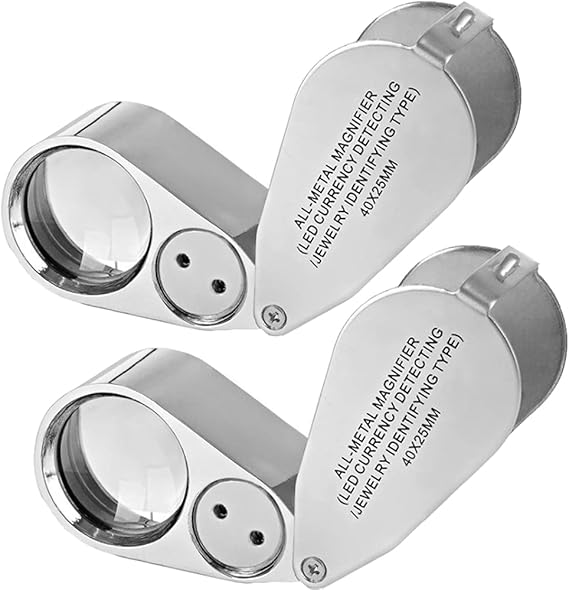
10x Illuminated Magnifying Loupe

Many wild edibles have toxic look-alikes differentiated only by tiny details: stem hair patterns, leaf vein arrangement, or gland dots. This loupe reveals features invisible to naked eye, dramatically improving ID accuracy

$12-18
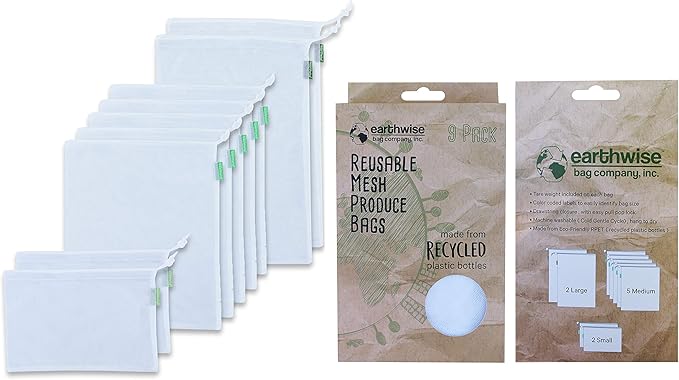
Foraging Harvest Bag with Ventilation Mesh

Regular bags trap moisture and compress delicate leaves into mush within 20 minutes. Specialized harvest bags allow airflow while keeping different species separated for later ID verification and cleaning

$15-22
View all 4 supplies

As an Amazon Associate I earn from qualifying purchases. Prices may change.

Step-by-Step Guide

1

Research your local foraging regulations—some city parks prohibit plant removal, others allow personal-use harvesting. County extension offices and city websites usually clarify rules. Note any restricted areas like watershed zones or pesticide-treated turf.

2

Download a specialized plant identification app (see supplies) and spend 20 minutes learning its interface before your outing. Practice on houseplants or known weeds to understand how photo recognition works and its limitations.

3

Pick your location: established parks with unmaintained edges work best (avoid manicured lawns that get chemical treatments). Look for areas where wildflowers grow naturally—these buffer zones typically have diverse plant communities. Early morning after dew dries (9-10AM) provides good lighting for ID and fresher plant material.

4

Start with the 'Fab Three' beginner plants: dandelion (entire plant edible, look for younger leaves), chickweed (small oval leaves in sprawling mats, tiny white star flowers), and plantain (not the banana—broad ribbed leaves in rosettes). Use at minimum three identification points: leaf shape, arrangement, stem characteristics, and flower structure if present.

5

Take multiple photos from different angles: whole plant, leaf detail, stem cross-section, underside of leaves, and the plant in its growing context. Compare against both your app AND a reliable field guide. Never consume anything unless you're 100% certain—'pretty sure' doesn't cut it.

6

Practice ethical harvesting: take only 10-20% from any patch, cut with scissors (don't uproot), avoid the first or last plants you see of a species in an area. This ensures regeneration and food for insects. Harvest into a breathable bag or basket—plastic makes greens wilt fast.

7

For your first harvest, collect small amounts for positive ID verification when you get home. Cross-reference at least two authoritative sources (field guides, university extension sites). Wash thoroughly—urban plants collect particulates—and taste test a small amount first.

8

Document your finds: take notes on location, date, plant stage, and abundance. This builds your personal seasonal map. Notice what grows near water, in full sun versus shade, in compacted soil versus loose areas. Patterns emerge after 3-4 outings.

9

Connect with local foraging groups through community garden networks or Facebook groups. Experienced foragers do group walks where you'll learn regional plants, seasonal timing, and safety practices faster than solo research. Plus they know which parks actually spray pesticides despite claims otherwise.

Gear Up for Your Quest

Get everything you need to make this quest amazing.

Texas Edible Wild Plant Foraging: Beginner Foraging Field Guide for Finding, Identifying, Harvesting, and Preparing Edible Wild Food (The Foraging Series)

Field Guide to Edible Wild Plants (regional edition)

EssentialPopular
$16.97
★★★★4.0 (242)

Apps fail without cell signal and misidentify similar species. A physical guide provides detailed comparison charts, seasonal information, and look-alike warnings that keep you safe when you're actually in the field identifying plants

Comprehensive book covering wild edibles specific to your geographic region with detailed photos and identification keys

Get on Amazon · $16.97

2 Pack 40X Metal Illuminated Jewelry Loop Magnifier, Magnifying Glass with LED Light Pocket Folding Jewelers Loupe for Currency Detecting Jewlers Identifying Type Lupe

10x Illuminated Magnifying Loupe

Recommended
$14.99
★★★★4.4 (741)

Many wild edibles have toxic look-alikes differentiated only by tiny details: stem hair patterns, leaf vein arrangement, or gland dots. This loupe reveals features invisible to naked eye, dramatically improving ID accuracy

Pocket magnifier with LED light for examining leaf hairs, stem structures, and other microscopic identification features

Get on Amazon · $14.99

Earthwise Reusable Produce Bags Premium Mesh Set of 9 Bags Made from Recycled Plastic Bottles Ultra Durable, Eco Friendly See Through Transparent Material, Earth Friendly Gift Box (Rpet Mesh)

Foraging Harvest Bag with Ventilation Mesh

Recommended
$15.99
★★★★★4.7 (126)

Regular bags trap moisture and compress delicate leaves into mush within 20 minutes. Specialized harvest bags allow airflow while keeping different species separated for later ID verification and cleaning

Canvas or mesh bag designed specifically for transporting wild greens without crushing or wilting

Get on Amazon · $15.99

LIVINGO 10" Multipurpose Heavy Duty Scissors, Premium Titanium Coating Forged Stainless Steel Tool Industrial Shop Shears for Household, Pruning, Gardening, Fabric, Red/Black

Folding Harvest Scissors with Sheath

Optional
$25.99
★★★★★4.8 (5,155)

Clean cuts (versus tearing by hand) help plants regenerate faster and reduce disease entry points. Folding design with safety sheath lets you carry them legally in parks where knives might raise concerns

Compact stainless steel scissors that make clean cuts without damaging plant roots or surrounding vegetation

Get on Amazon · $25.99

As an Amazon Associate, IRL Sidequests earns from qualifying purchases at no extra cost to you.

Prices and availability are subject to change. The price shown at checkout on Amazon at the time of purchase will apply.