Your city's sidewalks hide more edible plants than your local grocery store.
Learn to identify edible wild plants growing in your city. Discover safe foraging techniques, recognize common urban species, and harvest responsibly.
Urban foraging isn't about survival skills—it's about recognizing the persistent, adaptable plants that thrive in sidewalk cracks, park edges, and abandoned lots. You'll learn to spot dandelions before they flower, identify young plantain leaves that aren't coated in exhaust grime, and tell wood sorrel from clover by the way their leaves fold at night. This quest teaches you systematic identification: examining leaf arrangement, noting growth patterns, and cross-referencing multiple field marks before harvesting anything. The best urban foraging happens in transitional zones—where mowed parks meet unmaintained edges, or where old industrial sites are slowly being reclaimed. You'll avoid contaminated soils near busy roads (the 25-foot rule matters), learn which municipal parks use pesticides, and understand why railroad corridors are strictly off-limits despite their plant diversity. Morning hours give you better light for photography and quieter spaces for observation. This isn't about filling bags with greens. You'll harvest conservatively—taking one dandelion crown from a patch of fifty, leaving plantain roots intact, and never touching the first specimen you find. The real skill is building a mental database: recognizing chickweed's delicate white flowers from twenty feet away, knowing that mugwort smells like sage when you crush the leaves, and understanding that wood sorrel's sour taste is your confirmation, not your only identification method.
Top gear to make this quest great.

Apps fail when service drops; a physical guide provides reliable identification without battery anxiety. Regional specificity eliminates 70% of false matches.

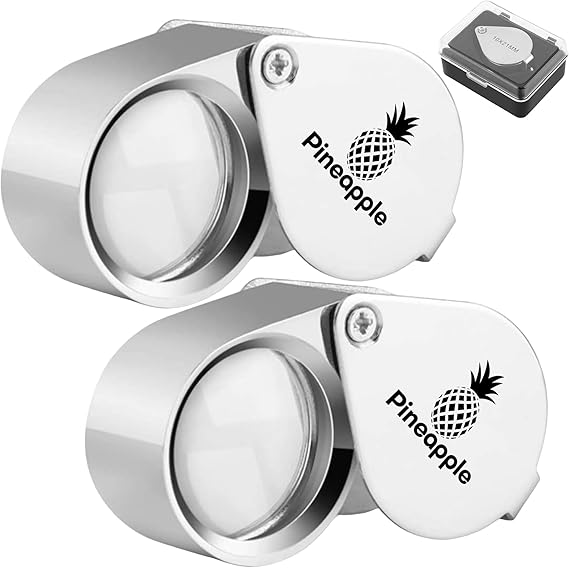
Many urban species require microscopic identification—leaf hair patterns, stipule shapes, or stem cross-sections separate edibles from toxic lookalikes. Changes identification from guesswork to certainty.

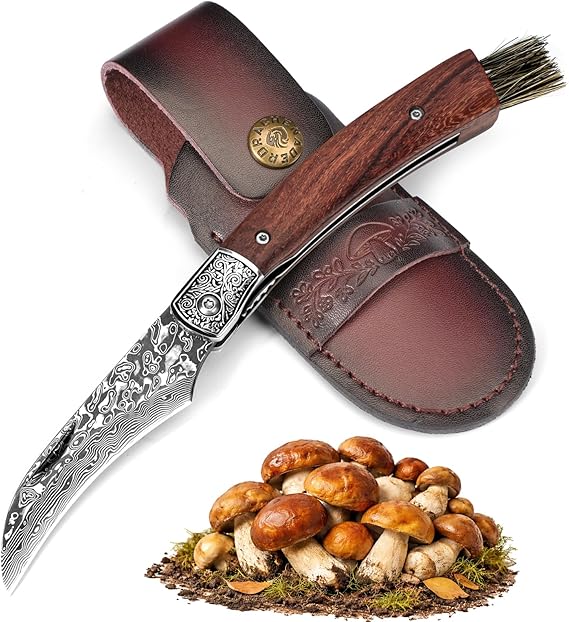
Clean cuts heal faster and allow plants to regenerate. The curved blade design minimizes accidental root damage and enables one-handed harvesting while holding your field guide.
As an Amazon Associate I earn from qualifying purchases. Prices may change.
Download iNaturalist and PlantNet apps—you'll use both for cross-referencing, not single-source identification. Familiarize yourself with their interfaces before heading out.
Scout your target area first without harvesting. Walk a 4-6 block radius noting plant concentrations, soil conditions, and pollution indicators (heavy car traffic, visible chemical runoff, trash density).
Start with the 'Beginner Five': dandelion, plantain, wood sorrel, chickweed, and purslane. These are nearly impossible to confuse with toxic species and grow abundantly in urban environments.
Photograph each plant from multiple angles: whole plant showing growth habit, close-up of leaf arrangement, detail of stem/leaf junction, flower or seed head if present. Note the location in your field guide.
Use the three-point identification rule: Match at least three distinct characteristics (leaf shape, stem type, growth pattern) before considering a plant correctly identified. Never rely on a single feature.
Test your IDs using both apps plus a physical field guide. If all three sources don't agree, mark it as 'unknown' and move on. Misidentification isn't worth the risk.
For confirmed edibles, harvest using the 'Rule of Thirds': take less than one-third from any patch, leave the roots unless you're 100% certain it's appropriate, and skip plants within 25 feet of roads or treated areas.
Clean your harvest in the field—shake off dirt, remove damaged leaves. Store different species separately in paper bags (plastic makes them wilt faster).
Document your foraging route in a journal: species found, quantity observed, harvest spots, and seasonal notes. This builds your personal knowledge base for future expeditions.
Taste-test new species at home in small quantities, even if properly identified. Start with a single leaf, wait 24 hours, then gradually increase. Some people react to plants others tolerate.
Get everything you need to make this quest amazing.

Apps fail when service drops; a physical guide provides reliable identification without battery anxiety. Regional specificity eliminates 70% of false matches.
Waterproof, pocket-sized field guide specific to your geographic region with detailed illustrations and lookalike warnings
Get on Amazon · $16.97
Many urban species require microscopic identification—leaf hair patterns, stipule shapes, or stem cross-sections separate edibles from toxic lookalikes. Changes identification from guesswork to certainty.
Handheld magnifying lens for examining leaf hairs, stem structures, and tiny identifying features
Get on Amazon · $11.95
Clean cuts heal faster and allow plants to regenerate. The curved blade design minimizes accidental root damage and enables one-handed harvesting while holding your field guide.
Small folding knife with curved blade designed for cutting plant stems cleanly without damaging roots
Get on Amazon · $33.99
Urban soils often contain industrial contamination invisible to the eye. Testing your regular foraging spots once lets you avoid contaminated areas permanently. One kit tests 10-15 locations.
Home testing kit that detects lead, arsenic, and cadmium in soil samples from foraging sites
Get on Amazon · $275.00As an Amazon Associate, IRL Sidequests earns from qualifying purchases at no extra cost to you.
Prices and availability are subject to change. The price shown at checkout on Amazon at the time of purchase will apply.
Hand-selected quests our team thinks you'll love

Your neighborhood has more species than you think—time to prove it.

Your city's wilder than you think—you just need to know where to look.

That flash of red in the oak tree isn't just background noise anymore.