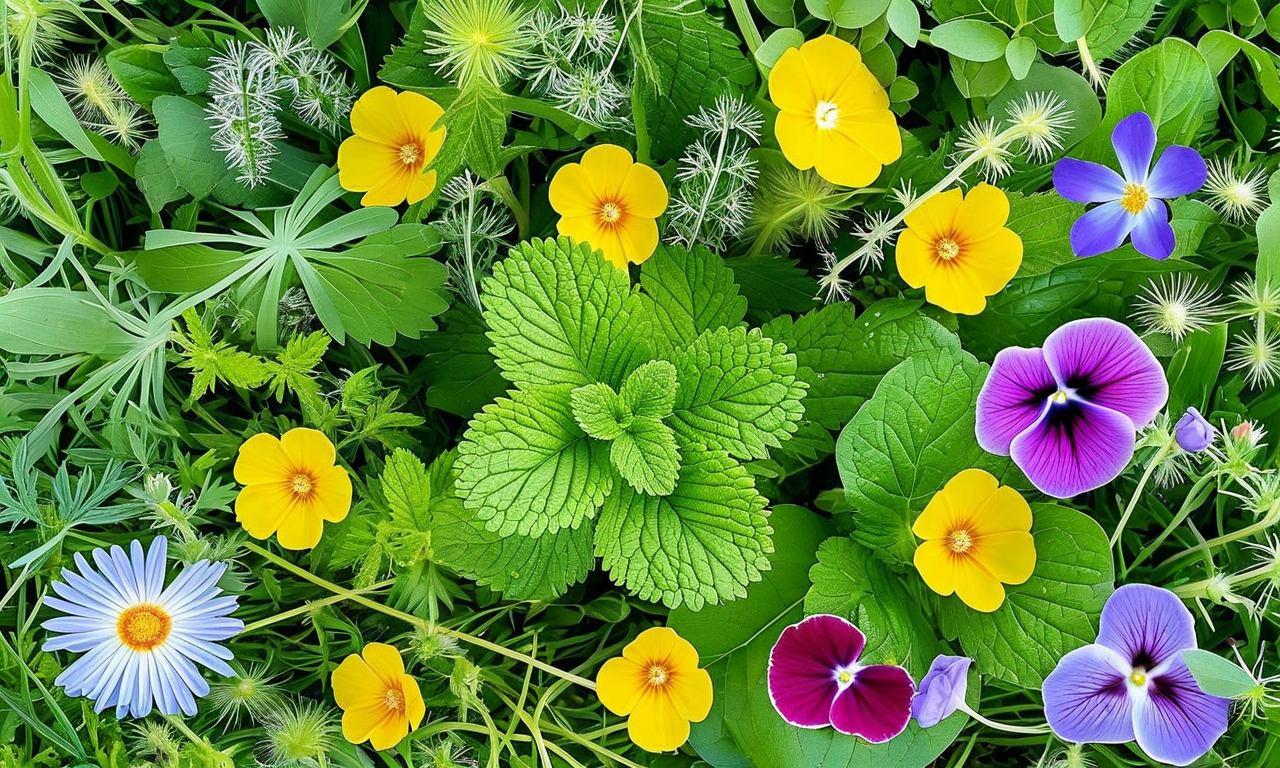
Urban Foraging Legal & Safety Mastery
The dandelions in that vacant lot might be free lunch—or a legal nightmare.
About This Quest
Master the legal frameworks and safety protocols for identifying edible wild plants in urban environments. Learn contamination assessment, property laws, and proper identification techniques.
Urban foraging isn't just about knowing which plants are edible—it's about knowing which ones are legal to harvest, safe to consume, and free from contamination. That patch of wild garlic growing along the bike path could be public land or private property. Those blackberries near the overpass might be soaking up heavy metals from decades of exhaust. This quest teaches you to navigate the intersection of plant identification, municipal codes, property rights, and environmental contamination assessment. You'll learn to read soil contamination indicators, understand harvest regulations across different land types (parks, boulevards, abandoned lots), and develop a risk assessment framework that considers everything from pesticide drift to dog-walking patterns. The goal isn't to make you paranoid—it's to make you competent. Real foragers don't just see free food; they see ecosystems with legal boundaries and contamination histories. This quest combines legal research, plant identification fundamentals, and practical field assessment. You'll document your city's specific regulations, identify three edible species with toxic lookalikes, and conduct contamination risk evaluations at potential harvest sites. By the end, you'll have a personalized legal reference guide and a contamination checklist that works for your specific urban environment.
Step-by-Step Guide
Research your municipality's foraging regulations. Check city ordinances, park district rules, and county codes. Document what's legal on public land, whether permits are required, and what penalties exist. Many cities prohibit all plant removal from parks—find out yours before you pick anything.
Map property types in your foraging area. Use county assessor websites to identify public vs. private land. Note parks, parkways (usually city-owned), utility easements, and vacant lots. Photograph boundaries and signage. Rights-of-way along roads are often public but regulated differently.
Identify contamination risk zones. Mark areas within 30 feet of roads (lead accumulation), former industrial sites (check EPA databases), regularly sprayed lawns, and dog-heavy zones. Note drainage patterns—contamination flows downhill. Sites near community gardens or organic farms are typically safer bets.
Study three edible species with dangerous lookalikes. Choose plants common in your area (wild garlic vs. lily-of-the-valley, wood sorrel vs. oxalis species, dandelion vs. cat's ear). Learn the distinguishing features that matter—smell tests, leaf arrangements, root structures. Document with photos at different growth stages.
Conduct field identification practice using the '5-point verification' method: location context (where safe plants grow), whole plant structure, leaf detail, smell/texture test, and spore print or flower structure. Never rely on a single identifier. Practice on plants you're 100% certain about first.
Perform a contamination field assessment at three potential harvest sites. Check for visual indicators: stunted growth, discolored soil, absence of insects, proximity to pollution sources. Note land use history through old maps or longtime residents. Test soil pH if possible—extreme readings suggest contamination.
Create your personal foraging safety protocol. Document your ID verification steps, contamination screening checklist, harvest quantity limits (never take more than 10% from any patch), and cleaning procedures. Include emergency contacts and photos of toxic lookalikes you might encounter.
Join a local foraging group or take a single guided walk with an experienced forager. Verify your identification skills with someone who's been doing this for years. They'll also know the unwritten rules and best spots that avoid legal gray areas.
Gear Up for Your Quest
Get everything you need to make this quest amazing.
Hand lens loupe (10x-20x magnification)
EssentialJeweler's loupe or folding magnifier for examining leaf structures, trichomes, and flower parts
Get This ItemRegional wild edibles field guide (physical book)
EssentialRegion-specific plant identification guide with detailed illustrations and lookalike warnings
Get This ItemSoil pH test kit
RecommendedChemical test strips or probe for measuring soil acidity/alkalinity
Get This ItemiNaturalist app (with Seek feature)
RecommendedAI-powered plant identification app with crowdsourced verification from botanists and foragers
Get This Item💙 Shopping through these links helps support IRL Sidequests at no extra cost to you. Thanks for making adventures possible!
Editor's Picks
Hand-selected quests our team thinks you'll love

Tabletop Firepit Night
Cozy, gooey, unforgettable nights.

Cocktail Science Lab
Turn your kitchen into a mad scientist’s bar.

Pellet Gun Accuracy Challenge
Sharpshooter bragging rights start here.