Urban Foraging Field Guide: City Wild Edibles - Nature & Outdoors quest for Intermediate level adventurers

Urban Foraging Field Guide: City Wild Edibles

Your city's sidewalks are hiding a salad bar—learn which weeds are actually dinner.

Share:
4 supplies needed· Estimated total: $60+
View supplies

About This Quest

Learn to identify, harvest, and safely consume wild edibles growing in your city's parks, sidewalks, and forgotten lots with this practical urban foraging guide.

Urban foraging isn't about surviving the apocalypse—it's about recognizing that dandelions in the park crack are more nutritious than half the stuff in your fridge. Every city has edible plants growing in the margins: sidewalk cracks, unmowed park edges, that weird strip between the sidewalk and street. I've found wood sorrel growing through chain-link fences in industrial areas, purslane thriving in community garden borders, and lamb's quarters taller than me in vacant lots. The trick is knowing what to look for, where contamination risks are real versus paranoid, and which plants have toxic look-alikes that'll ruin your week. This quest teaches systematic identification using multiple verification points—leaf arrangement, stem characteristics, smell, habitat—because one feature isn't enough. You'll learn the "Rule of Three" for urban foraging: three positive IDs from different sources, three plant parts that match your field guide, three separate visits to the same plant before harvesting. Real talk: skip anything within 10 feet of busy roads (lead accumulation), avoid park areas where dogs congregate, and never forage from treated lawns. The early morning light makes leaf structures clearer for identification, and spring growth is easier to ID than summer's overgrown chaos. Start with the "Confident Five"—dandelion, plantain, clover, wood sorrel, and purslane—plants so distinct you can't really mess them up. Once you've positively identified and tasted these in multiple locations over several weeks, expand your repertoire. Document everything with photos from multiple angles, note exact locations and dates, and build your personal field guide of verified spots. Urban foraging is slow, methodical, and requires genuine commitment to learning—but there's something weirdly satisfying about eating a salad you harvested from a forgotten corner three blocks from your apartment.

Duration
2-3 hours per foraging session
Estimated Cost
$60+
Location
Outdoor
Season
Year-round
Family Friendly
All ages welcome

What You'll Need

Top gear to make this quest great.

Regional Wild Edibles Field Guide (Physical Book)
Regional Wild Edibles Field Guide (Physical Book)Popular

Apps crash and screens glare in bright sun; a physical guide lets you compare leaf details side-by-side with the actual plant and works without battery. Regional specificity is critical—generic guides miss local species and growing patterns.

$18-30
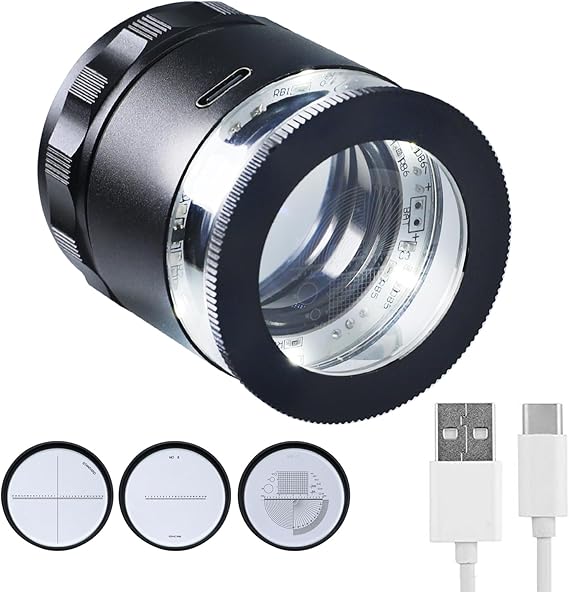
10x Magnifying Loupe with LED Light

Leaf hair patterns, vein arrangements, and stem characteristics often differentiate edible plants from toxic look-alikes. A magnifier lets you see details that photos can't capture, especially for distinguishing species in the Apiaceae family (carrot/hemlock relatives).

$12-20
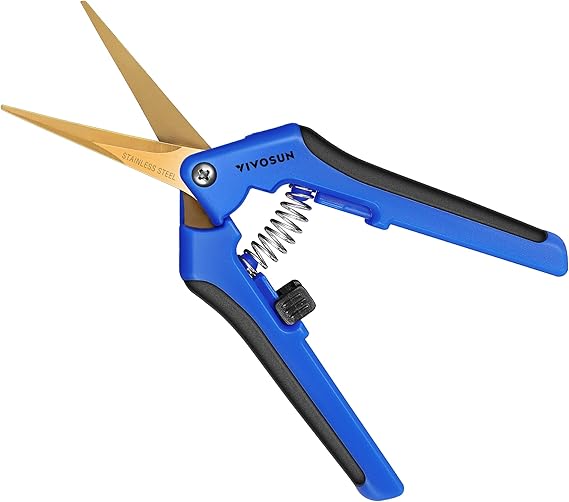
Foraging Scissors with Curved Blade

Clean cuts heal faster and reduce plant stress compared to tearing. The curved blade lets you harvest at ground level or reach into dense growth without trampling surrounding plants, maintaining sustainable harvest sites.

$15-25
View all 4 supplies

As an Amazon Associate I earn from qualifying purchases. Prices may change.

Step-by-Step Guide

1

Get a city-specific foraging guide or app with photos of plants in all growth stages—regional specificity matters because the same plant looks different in Portland versus Phoenix

2

Start reconnaissance in early spring when plants are young and easier to identify; map 3-5 potential foraging zones in your neighborhood away from heavy traffic and obvious contamination

3

Learn the Confident Five first: dandelion (entire plant edible), broadleaf plantain (leaves), white clover (flowers), wood sorrel (leaves, flowers), and purslane (entire plant)—master these before moving forward

4

Practice the Three-Point ID system: photograph the plant, cross-reference with three separate sources, and return to the same plant three times over a week to observe it in different conditions

5

Scout locations for contamination indicators—distance from roads (minimum 10 feet), no visible trash/dumping, avoid areas with chemical smell or discolored soil, skip municipal plantings that might be treated

6

Identify one plant species completely before harvesting: examine leaf arrangement, stem structure, growth pattern, smell when crushed, and habitat; take photos from multiple angles including close-ups of leaf veins

7

For first harvest of any new species, take only one small leaf, rub it on your inner wrist and wait 15 minutes for skin reaction, then taste a tiny piece and wait 2 hours before consuming more

8

Harvest sustainably using the "One in Five" rule: never take more than 20% from any plant or area; use scissors or pinch cleanly rather than yanking; leave roots intact unless specifically harvesting roots

9

Clean your harvest thoroughly at home: rinse three times in cold water, inspect for insects or damage, soak in water with a tablespoon of vinegar for 10 minutes, final rinse

10

Document your findings in a foraging journal: location, date, plant identification, photos, taste notes, and preparation method; build a personal map of reliable harvest spots for each season

11

Join local foraging walks or connect with experienced foragers to verify your identifications—this community validation is crucial before consuming anything you're less than 100% certain about

12

Expand your repertoire gradually: add one new species per month during growing season, always following the same rigorous ID and testing protocols you used for the Confident Five

Gear Up for Your Quest

Get everything you need to make this quest amazing.

Foraging Mushrooms Identification Field Guide of the Northeast: Wild Edible Mushrooms and Recipes of North America (Regional Edible Foraging Series)

Regional Wild Edibles Field Guide (Physical Book)

EssentialPopular
$25.95
★★★★★4.8 (69)

Apps crash and screens glare in bright sun; a physical guide lets you compare leaf details side-by-side with the actual plant and works without battery. Regional specificity is critical—generic guides miss local species and growing patterns.

City or region-specific field guide with detailed photos of plants in multiple growth stages, organized by season and habitat

Get on Amazon · $25.95

10X Rechargeable Jewelers Loupe Magnifier with LED Lights and 3 Reticle Scales, 25 mm Field of View, Adjustable Focus LED Scale Loupe Jewelry Magnifying Glass for Gems, Coins, Watch, Stamps, Plants

10x Magnifying Loupe with LED Light

Essential
$39.90
★★★★4.4 (44)

Leaf hair patterns, vein arrangements, and stem characteristics often differentiate edible plants from toxic look-alikes. A magnifier lets you see details that photos can't capture, especially for distinguishing species in the Apiaceae family (carrot/hemlock relatives).

Jeweler's loupe or portable magnifier with built-in LED illumination for examining leaf structures, trichomes, and venation patterns

Get on Amazon · $39.90

iNaturalist App (Free - Seek by iNaturalist version)

iNaturalist App (Free - Seek by iNaturalist version)

Essential
$0

Real-time AI identification gives you a starting point for verification, but the critical feature is community expert review—upload observations and get feedback from botanists and experienced foragers. The Seek version works offline once guides are downloaded.

Computer vision app specifically designed for plant identification with expert community verification and offline field guide functionality


VIVOSUN Curved Gardening Scissors 6.5 Inch Hand Pruner Shear with Titanium Coated Blades 1-Pack

Foraging Scissors with Curved Blade

Recommended
$5.97
★★★★★4.6 (64,329)

Clean cuts heal faster and reduce plant stress compared to tearing. The curved blade lets you harvest at ground level or reach into dense growth without trampling surrounding plants, maintaining sustainable harvest sites.

Small, sharp scissors with curved blades designed for clean plant harvesting without damaging stems or surrounding growth

Get on Amazon · $5.97

1 Pc Mesh Foraging Bag with Drawstrings & Bottom Support for Mushrooms,Herbs, Wild Plants, Durable Harvesting Morel Picking Bag with Adjustable Shoulder Strap, Outdoor Sacks for Mushrooms Hunting

Breathable Mesh Foraging Bag

Recommended
$14.99
★★★★★4.6 (33)

Plastic bags create condensation that turns your foraged greens into slime within an hour. Mesh bags keep plants fresh, allow dirt and small insects to fall through, and you can rinse the whole bag under a hose when you get home.

Lightweight mesh or cloth bag that allows airflow to prevent harvested greens from wilting or composting in transit

Get on Amazon · $14.99

As an Amazon Associate, IRL Sidequests earns from qualifying purchases at no extra cost to you.

Prices and availability are subject to change. The price shown at checkout on Amazon at the time of purchase will apply.