Master urban foraging with professional-grade equipment and preservation techniques. Learn what specialty tools actually make a difference when harvesting wild edibles in cities.
Urban foraging has exploded from niche hobby to mainstream practice, but most beginners make the same mistake: they use regular kitchen tools and wonder why their harvest spoils or gets contaminated. After three seasons of foraging through city parks, vacant lots, and municipal green spaces, I've learned that proper equipment isn't about having more gear—it's about having the right specialized tools that protect your harvest from the moment you cut it until it's preserved.
The equipment gap between casual foragers and serious wildcrafters is massive. I've watched people stuff mulberries into plastic shopping bags (they arrive home as mush), use kitchen scissors that crush delicate stems (introducing bacteria), and attempt to dry mushrooms on paper towels (hello, mold). The right basket breathes and protects. A proper foraging knife makes clean cuts that heal. A decent dehydrator means your chanterelles don't rot before Tuesday. These aren't luxury items—they're the difference between eating your harvest and composting it.
This quest focuses exclusively on the specialty equipment that transforms urban foraging from frustrating experiment to reliable food source. I'm not listing water bottles or notebooks—you own those. Instead, this covers the harvest basket that keeps greens crisp for hours, the knife designed for mushroom stems, the mesh bags that let wild garlic breathe, and the preservation tools that turn weekend foraging into year-round eating. Each item here has saved me from wasted harvests and food safety mistakes.
Why This Quest Matters
Proper equipment transforms urban foraging from a frustrating experiment where mulberries arrive home as mush and mushrooms rot by Tuesday into a reliable food source. The right basket, knife, and preservation tools mean you actually eat your harvest instead of composting it—turning weekend foraging into year-round eating.
What You'll Experience
Which specialized tools prevent harvest spoilage and contamination
How to set up a complete processing station that handles greens, mushrooms, and fruits
Proper cleaning protocols that make your equipment last years
Preservation techniques that turn seasonal harvests into year-round food
How to build a harvest log that makes you a better forager faster
What You'll Need
Top gear to make this quest great.
Pull it off
Traditional Woven Harvest Basket (3-5 gallon)
Provides air circulation that prevents moisture buildup and condensation that causes harvested greens and mushrooms to spoil during transport. The rigid structure protects delicate items from crushing, while the natural materials regulate humidity. Unlike plastic bags or containers, woven baskets keep your harvest in optimal condition from forest to kitchen.
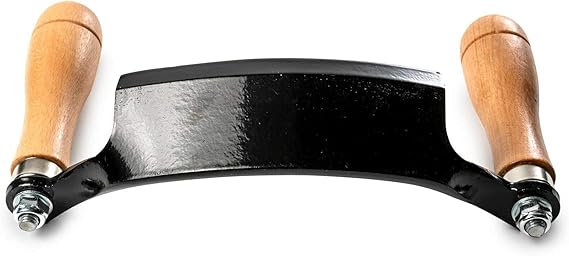
Makes clean cuts at ground level that minimize plant damage and reduce pathogen entry points. The curve allows you to harvest without yanking or tearing stems, which preserves plant health for future harvests. A sharp dedicated knife prevents the cross-contamination and dullness that comes from using your general pocket knife for soil-level cutting.
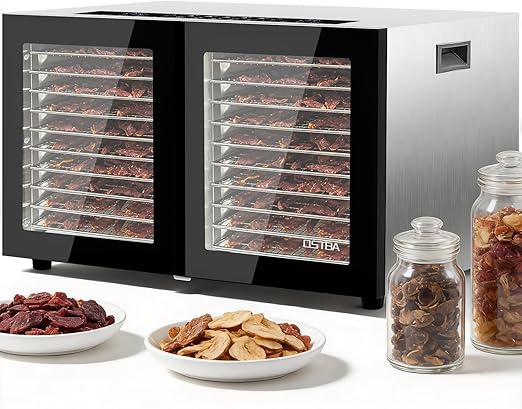
Properly dries wild mushrooms, herbs, and fruits at controlled temperatures that prevent spoilage while preserving nutritional content and flavor. Air-drying often leads to mold, while oven-drying destroys delicate compounds. A dehydrator with temperature control lets you process different species correctly—low temps for herbs, higher for mushrooms.
As an Amazon Associate I earn from qualifying purchases. Prices may change.
Step-by-Step Guide
1
Match equipment to your harvest frequency
Decide which tools deliver the highest return based on what you actually forage. Weekly foragers should invest in harvest basket and knife first. If you forage occasionally, start with mesh bags and build your kit from there as your practice intensifies.
💡 Pro Tips:
• Keep your basket by the back door so it reminds you to actually go forage
2
Get a woven harvest basket and proper knife
Source a traditional woven basket (willow, reed, or oak splint) with 3-5 gallon capacity and flat bottom. The open weave prevents condensation that kills fresh greens. Pair it with a dedicated foraging knife featuring a 2-3 inch curved blade—the Opinel No. 8 or Helle Mandra work perfectly. The curve allows clean ground-level cuts without disturbing roots.
💡 Pro Tips:
• Keep your knife sharp—dull blades crush plant cells and introduce pathogens
• Store knife with basket so both are always ready together
3
Acquire breathable bags and setup preservation station
Get 4-6 mesh produce bags in varying sizes (cotton or organic hemp, not synthetic). Label them by forage type to prevent cross-contamination and wash in hot water after mushroom harvests. Position a countertop dehydrator with adjustable temp control (95°F-165°F, at least 5 trays) near an outlet with ventilation—it will fill your kitchen with intense aromas.
💡 Pro Tips:
• The Nesco FD-1018A hits the sweet spot of capacity and cost
4
Build your washing and storage systems
Set up a processing station: large colander for initial rinse, salad spinner for greens, clean towels for mushrooms (never soak them), and a dedicated cutting board separate from your meat board. Establish storage before your first big harvest—mason jars for dried herbs, vacuum-seal bags for mushrooms, freezer containers for fruit preserves. Label everything with species name and harvest date.
💡 Pro Tips:
• You'll forget which dried mushroom is which three months later—label immediately
5
Practice preservation on store-bought produce
Test your dehydrator, jar sealing, and herb drying on grocery store produce before risking wild harvest. Dehydrate store-bought mushrooms to learn temperature and timing. This way your first wild ramp harvest doesn't become expensive compost.
6
Maintain equipment and keep a harvest log
Develop cleaning protocols: brush out and sun-dry baskets weekly, immediately clean knives after soil contact, hot-wash mesh bags, wash dehydrator trays between species to prevent flavor transfer. Create a harvest log noting what you foraged, which tools you used, what worked or failed, and how preservation turned out. This data makes you a better forager faster.
💡 Pro Tips:
• Your equipment lasts years with proper maintenance—don't skip the cleaning step
Provides air circulation that prevents moisture buildup and condensation that causes harvested greens and mushrooms to spoil during transport. The rigid structure protects delicate items from crushing, while the natural materials regulate humidity. Unlike plastic bags or containers, woven baskets keep your harvest in optimal condition from forest to kitchen.
Makes clean cuts at ground level that minimize plant damage and reduce pathogen entry points. The curve allows you to harvest without yanking or tearing stems, which preserves plant health for future harvests. A sharp dedicated knife prevents the cross-contamination and dullness that comes from using your general pocket knife for soil-level cutting.
Fixed-blade knife with 2-3 inch curved blade, full tang construction, designed for low-angle plant cutting
Properly dries wild mushrooms, herbs, and fruits at controlled temperatures that prevent spoilage while preserving nutritional content and flavor. Air-drying often leads to mold, while oven-drying destroys delicate compounds. A dehydrator with temperature control lets you process different species correctly—low temps for herbs, higher for mushrooms.
Countertop electric dehydrator with 5+ stackable trays, adjustable temperature (95°F-165°F), and rear-mounted fan
Allows air circulation during harvest while containing small berries and preventing loss. Unlike plastic bags that create humidity and cause rapid spoilage, mesh bags let moisture evaporate while protecting your harvest from dirt and insects. Essential for separating different species during multi-target foraging trips.
Organic cotton or hemp mesh bags in various sizes with drawstring closures
Provides community-verified species identification that prevents dangerous misidentification of look-alike plants. The geotagged mapping shows you what others have found in your specific urban area, revealing productive foraging zones you'd otherwise miss. The premium features offer offline identification for areas without cell service.
Mobile species identification app with AI recognition, expert verification network, and geotagged observation mapping
Your neighborhood harbors more species than you think—and scientists need your eyes on the ground.
Document and map wildlife in your city while contributing to real scientific databases. Learn identification techniques and join the citizen science movement.