Your city grows more free food than you think—you just need to know where to look.
Learn to identify and harvest wild edibles growing in urban spaces—from parks to abandoned lots—with safety protocols and regional guides.
Urban foraging flips the script on city living. That park you walk through? It's got wild garlic under the oaks in April. The alley behind the community center? Purslane sprawls across the cracked pavement every July, packed with omega-3s. I've found wood sorrel growing through chain-link fences, chickweed carpeting abandoned lots, and elderberries hanging over bike paths. The city is an unintentional garden if you learn to read it. This isn't about romanticizing poverty or trespassing on private property. It's about recognizing edible species in public spaces, understanding harvest ethics (never take more than 20% of a patch), and knowing contamination risks. You'll learn the difference between areas safe for foraging—older parks with minimal pesticide use, designated natural areas, community gardens with wild edges—and places to avoid, like roadside plants soaking up exhaust fumes or chemically treated lawns. The best urban foragers I know treat it like a scavenger hunt with consequences: one misidentified plant can ruin your week, but proper knowledge turns every walk into a potential meal. Start with the "Foolproof Four"—dandelion, plantain, wood sorrel, and chickweed—plants so distinctive and common that even beginners can identify them confidently. Visit the same spots weekly to watch seasonal changes. Notice how dandelion greens turn bitter after flowering, how garlic mustard takes over shaded areas in spring, how mulberries stain the sidewalk purple in June. You're not just finding food; you're learning to see the wild systems operating inside urban infrastructure.
Top gear to make this quest great.

Phone apps fail in low signal areas and lack the detailed lookalike warnings printed guides provide. Regional specificity prevents dangerous misidentification across climate zones.

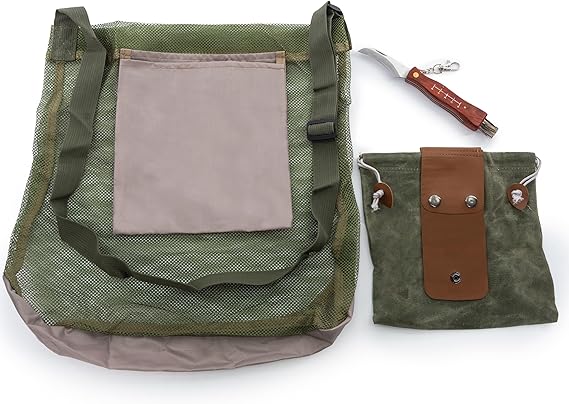
Plastic bags turn foraged greens into mush within minutes. Breathable compartments keep plants fresh and prevent cross-contamination between species during identification review.

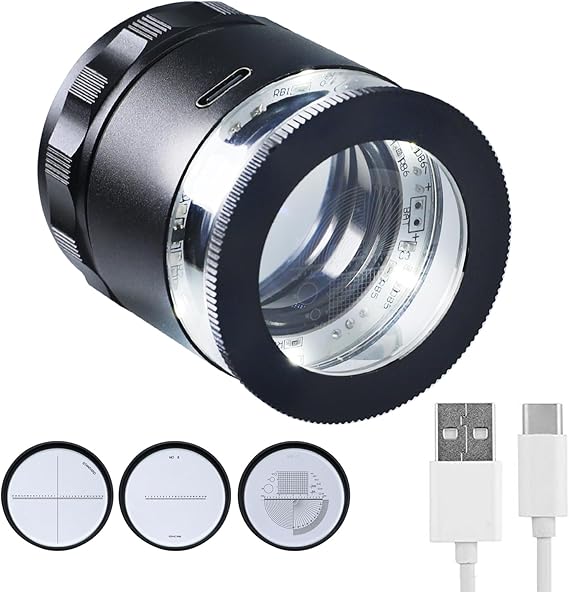
Many plant families have subtle distinguishing features invisible to the naked eye—hairy vs. smooth stems, toothed vs. entire leaf margins. A loupe reveals these critical details.
As an Amazon Associate I earn from qualifying purchases. Prices may change.
Research your bioregion's foraging calendar. Spring brings wild alliums and greens; summer offers berries and flowers; fall delivers nuts and roots. Download region-specific plant ID apps and cross-reference with physical field guides—never trust a single source for edibility.
Scout locations during non-harvest visits. Map public parks, greenways, community gardens, and conservation areas. Avoid spots within 50 feet of roads (lead contamination), treated lawns (pesticide residue), or industrial zones (soil toxins). Look for older parks with established tree cover and minimal maintenance—these are wild plant havens.
Start with one species. Spend your first outing identifying only dandelions. Learn to spot the rosette leaf pattern, hollow stems with white sap, and single flowers on leafless stalks. Photograph specimens from multiple angles. Harvest only after you've confidently ID'd the same plant across three separate locations.
Practice the triple-check protocol: Confirm identification through visual features, habitat context, and seasonal timing. If any element doesn't match, walk away. Many toxic plants have edible lookalikes—wild carrot and poison hemlock share habitats, but hemlock's purple-splotched stems and musty smell are giveaways.
Harvest ethically and legally. Take only from public lands where foraging is permitted, never uproot perennials, and leave at least 80% of any patch untouched. Use clean scissors or knives. Harvest in the morning after dew dries but before afternoon heat. Rinse thoroughly and inspect for insects.
Test for personal sensitivity. Even confirmed edibles can cause reactions in some people. Try a small amount (one tablespoon) of properly prepared plants, wait 24 hours, then gradually increase portions over multiple sessions.
Document your finds with geotagged photos, harvest dates, and growth conditions. Build a personal field journal. Notice patterns—where chickweed thrives, when mulberries ripen on your street, which parks have the best wild garlic. This data makes you a better forager each season.
Connect with local foraging communities through nature centers, mycological societies, or community education programs. Many cities offer guided foraging walks led by certified naturalists—this hands-on learning is invaluable for beginners.
Get everything you need to make this quest amazing.

Phone apps fail in low signal areas and lack the detailed lookalike warnings printed guides provide. Regional specificity prevents dangerous misidentification across climate zones.
Waterproof pocket guide specific to your bioregion (e.g., 'Edible Wild Plants: Eastern/Central North America' or 'Foraging California')
Get on Amazon · $16.97
Plastic bags turn foraged greens into mush within minutes. Breathable compartments keep plants fresh and prevent cross-contamination between species during identification review.
Canvas or mesh harvest bag with separate sections to prevent crushing delicate greens and segregate species
Get on Amazon · $19.99
Many plant families have subtle distinguishing features invisible to the naked eye—hairy vs. smooth stems, toothed vs. entire leaf margins. A loupe reveals these critical details.
Jeweler's loupe or folding magnifier for examining leaf textures, stem hairs, and other microscopic identification features
Get on Amazon · $39.90
Urban soil contamination isn't visible. Testing your foraging sites once per season ensures plants aren't accumulating toxins from industrial history or road runoff.
Test strips or probe to check soil pH and screen for lead, cadmium, and other heavy metals in urban soils
Get on Amazon · $89.99Instant visual confirmation in the field speeds learning, but must be verified against physical guides. Premium features include offline access and detailed edibility information.
AI-powered plant identification apps with toxicity warnings and community verification features
As an Amazon Associate, IRL Sidequests earns from qualifying purchases at no extra cost to you.
Prices and availability are subject to change. The price shown at checkout on Amazon at the time of purchase will apply.
Hand-selected quests our team thinks you'll love

Your neighborhood has more species than you think—time to prove it.

Your city's wilder than you think—you just need to know where to look.

That flash of red in the oak tree isn't just background noise anymore.