Turn city sidewalks into grocery aisles with professional wild edible training.
Get certified in urban foraging through hands-on training. Learn wild edible identification, sustainable harvesting practices, and city-specific plant knowledge from experienced instructors.
Urban foraging certification programs teach you to identify, harvest, and prepare wild edibles growing in city environments—from vacant lots to park edges. You'll spend weekends with experienced foragers who know which plants are safe, which look-alikes will make you sick, and where legal harvesting zones exist in your metro area. The classroom portion covers plant taxonomy, seasonal availability, and contamination risk assessment, while field sessions put you knee-deep in actual identification work. By week three, you're spotting purslane in sidewalk cracks and wood sorrel under park benches without the instructor's help. Most certification programs run 8-12 weeks with a mix of indoor lectures and outdoor practicum sessions. You'll build a reference collection of pressed specimens, learn proper harvesting techniques that don't damage plant populations, and understand municipal foraging regulations that vary wildly between cities. The final exam typically includes blind plant identification, preparation demonstrations, and a written test on safety protocols. Certified urban foragers often lead community walks, consult for restaurants sourcing hyper-local ingredients, or simply eat better knowing exactly what's growing in their neighborhood. The certification isn't just about free food—it's about developing observation skills that change how you see urban spaces. You'll notice microclimates where wild garlic thrives, remember which parking strips explode with chickweed each spring, and understand soil conditions by what volunteers there. The training includes heavy emphasis on avoiding contaminated sites near industrial zones, busy roads, or chemically treated lawns. Instructors drill the "100% rule" into your head: if you're not completely certain of identification, don't eat it.
Top gear to make this quest great.

Building an accurate reference herbarium is essential for certification study and long-term plant identification skill development. Phone photos fade and lack the tactile learning that comes from pressing and mounting specimens yourself.

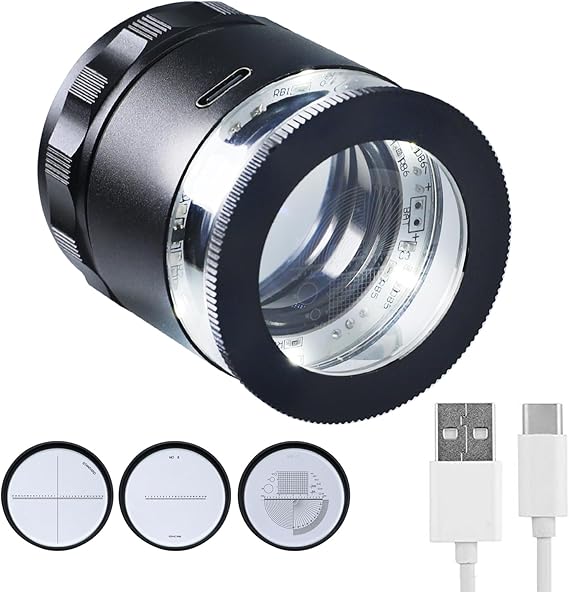
Many toxic look-alikes are differentiated by tiny features invisible to naked eye—leaf hair patterns, stem pith color, or gland presence. Instructors expect you to verify these microscopic details during certification testing.

Apps fail when you're deep in urban ravines or parks with poor reception. Physical field guides work in all conditions and force you to learn identification keys rather than relying on AI photo matching that's wrong 30% of the time.
As an Amazon Associate I earn from qualifying purchases. Prices may change.
Research accredited urban foraging programs in your region—look for instructors with botany backgrounds, not just enthusiastic hobbyists. Check certifications from organizations like the North American Mycological Association or state native plant societies.
Enroll in a program that includes minimum 40 hours of instruction (20 classroom, 20 field). Verify the curriculum covers toxic look-alikes extensively, legal foraging zones, and contamination assessment before committing.
Attend the first classroom session where you'll receive your course syllabus and plant family overview. Take detailed notes on identification features—leaf arrangement, stem characteristics, and seasonal timing matter more than flower color.
Complete your first field session by visiting multiple urban habitats with your instructor group. Practice using dichotomous keys to identify plants, photograph specimens from multiple angles, and record GPS coordinates of productive foraging locations.
Build your reference herbarium by pressing specimens from each plant family studied. Label with Latin names, harvest date, location, and identification features. This collection becomes your study tool for the certification exam.
Join weekend foraging expeditions to different urban ecosystems—riparian corridors, railway margins, park understories, and disturbed industrial sites. Note how the same species tastes different based on growing conditions and harvest timing.
Practice preparation methods taught in cooking workshops—blanching bitter greens, fermenting wild garlic, drying medicinal herbs. Learn which parts are edible at different growth stages and proper storage techniques.
Study contamination risk factors intensively. Learn to identify potential lead-contaminated soils, understand uptake rates in different plant families, and recognize chemical treatment signs on lawns and roadsides.
Complete your capstone project—typically a comprehensive guide to 20+ edible species in your local area, including identification photos, seasonal availability, harvest sustainability notes, and preparation methods.
Pass the final certification exam which includes live plant identification, written safety protocols, and preparation demonstrations. Most programs require 80% accuracy on plant ID and 100% on toxic look-alike recognition.
Receive your certification credentials and join the local foraging community. Many programs include ongoing alumni field trips, plant identification refresher sessions, and access to regional foraging maps.
Get everything you need to make this quest amazing.

Building an accurate reference herbarium is essential for certification study and long-term plant identification skill development. Phone photos fade and lack the tactile learning that comes from pressing and mounting specimens yourself.
Botanical press with ventilated drying boards, archival mounting paper, and pH-neutral adhesive for creating permanent specimen collection
Get on Amazon · $32.97
Many toxic look-alikes are differentiated by tiny features invisible to naked eye—leaf hair patterns, stem pith color, or gland presence. Instructors expect you to verify these microscopic details during certification testing.
Illuminated magnification lens for examining leaf hairs, stem structures, and minute plant features critical for accurate species identification
Get on Amazon · $39.90
Apps fail when you're deep in urban ravines or parks with poor reception. Physical field guides work in all conditions and force you to learn identification keys rather than relying on AI photo matching that's wrong 30% of the time.
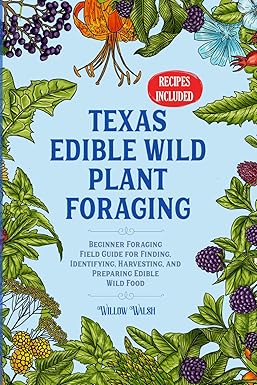
Waterproof field guide specific to your bioregion with detailed illustrations, seasonal keys, and look-alike warnings
Get on Amazon · $16.97
Urban soils near old structures, industrial sites, or busy roads often contain harmful heavy metals. Testing your regular foraging spots prevents long-term contamination exposure and is considered best practice by certification programs.
DIY testing strips for lead, cadmium, and arsenic contamination in urban soils before establishing regular foraging sites
Get on Amazon · $275.00
Proper harvesting technique preserves plant populations—rough tearing damages root systems and spreads disease. Certification programs emphasize sustainable harvest methods, and the right tool makes a measurable difference.
Specialized harvesting knife with curved blade and protective sheath designed for clean cuts that promote plant regrowth
Get on Amazon · $33.99As an Amazon Associate, IRL Sidequests earns from qualifying purchases at no extra cost to you.
Prices and availability are subject to change. The price shown at checkout on Amazon at the time of purchase will apply.
Hand-selected quests our team thinks you'll love

Your neighborhood has more species than you think—time to prove it.

Your city's wilder than you think—you just need to know where to look.

That flash of red in the oak tree isn't just background noise anymore.