Urban Foraging Adventure: Discover Edible Wild Plants in Your City - Nature & Outdoors quest for Beginner level adventurers

Urban Foraging Adventure: Discover Edible Wild Plants in Your City

Your city is a hidden garden waiting to be discovered—one delicious wild plant at a time.

Share:
4 supplies needed· Estimated total: $60+
View supplies

About This Quest

Learn to safely identify and harvest edible wild plants growing in urban environments. Transform city walks into foraging adventures with expert techniques.

Urban foraging transforms the way you see your city, revealing edible and medicinal plants hiding in plain sight along sidewalks, in parks, and throughout green spaces. This ancient practice has experienced a renaissance as people seek sustainable food sources, reconnect with nature, and discover the surprising biodiversity thriving in metropolitan areas. From dandelion greens in neighborhood lawns to mulberries dropping from ornamental trees, cities offer abundant wild harvests for those who know where to look. This quest teaches you the foundational skills of urban foraging: plant identification using multiple verification methods, understanding safe foraging locations away from contamination sources, sustainable harvesting techniques that protect plant populations, and proper cleaning and preparation methods. You'll learn to distinguish edible plants from toxic look-alikes, navigate legal considerations, and develop the naturalist's eye that sees abundance where others see weeds. Urban foraging offers benefits beyond free food—it builds practical wilderness skills, provides moderate exercise, reduces food waste, supports local ecosystems through informed stewardship, and creates meaningful connections to your environment. Whether you're interested in sustainability, outdoor education, culinary adventures, or simply curious about the green world around you, urban foraging opens a portal to discovery right outside your door.

Duration
2-3 hours
Estimated Cost
$60+
Location
Outdoor
Season
Year-round
Family Friendly
All ages welcome

What You'll Need

Top gear to make this quest great.

Regional Foraging Field Guide (Waterproof Edition)
Regional Foraging Field Guide (Waterproof Edition)Popular

Digital apps can fail or provide incorrect crowdsourced information. A vetted regional guide offers authoritative, peer-reviewed identification information without battery dependence, and waterproof editions withstand field conditions while allowing side-by-side plant comparison

$15-30
LED Jeweler's Loupe (10x-20x magnification)

Enables accurate identification by revealing critical microscopic features like leaf hair patterns, stem texture, and cellular structures that distinguish edible plants from toxic look-alikes. The LED illumination works in shaded forest conditions where natural light is insufficient

$12-25
Foraging Harvest Bag with Multiple Compartments

Prevents cross-contamination between different plant species, allows airflow to keep harvests fresh, organizes specimens by category or confidence level, and keeps tools accessible. Purpose-built design is superior to improvised containers that may crush delicate plants or allow species to mix

$20-35
View all 4 supplies

As an Amazon Associate I earn from qualifying purchases. Prices may change.

Step-by-Step Guide

1

Acquire a regional edible plant guide specific to your climate zone and study 3-5 common beginner-friendly plants (dandelion, plantain, clover, wood sorrel, chickweed) before your first outing. Focus on plants with no poisonous look-alikes.

2

Download a plant identification app with offline capability and community verification features. Practice using it on houseplants or garden plants to understand its interface before field use.

3

Scout safe foraging locations: public parks at least 50 feet from roads, community gardens with permission, greenways, and nature preserves where foraging is permitted. Avoid areas treated with pesticides, near industrial sites, or within 10 feet of roadways.

4

Pack your foraging kit in a lightweight bag: field guide, collection bags (paper or mesh), small scissors or pruning shears, magnifying lens, gloves, and hand sanitizer. Bring water and wear long pants to protect against scratches.

5

Begin your foraging walk during mid-morning when plants are dry but temperatures are mild. Move slowly, observing plants at different heights—ground level, shrub level, and tree canopy level.

6

Use the three-point identification method: 1) Visual characteristics (leaf shape, arrangement, stem structure), 2) Tactile features (texture, smell when crushed), 3) Habitat and season. Cross-reference with multiple sources before confirming identification.

7

Take clear photographs from multiple angles (whole plant, leaves, underside of leaves, stems, roots if visible) before harvesting. This creates a learning archive and allows later verification.

8

Follow the '10% rule': Never harvest more than 10% of a plant population in one area. Take only what you'll use immediately and leave plenty for wildlife and plant regeneration.

9

Harvest selectively using clean cuts rather than tearing. For leaves, take outer leaves rather than the growing center. For flowers, leave some for pollination and seed production.

10

Store different plant species in separate breathable containers. Label immediately with species name, location, and date to avoid confusion.

11

Upon returning home, wash all foraged items thoroughly even if harvested from 'clean' areas. Inspect for insects or damage.

12

For your first harvest, eat only a small amount (1-2 bites) of a new plant species and wait 24 hours to ensure no allergic reaction. Start with the most commonly accepted species.

13

Document your foraging journey: photograph your finds, note locations, record seasonal patterns, and maintain a foraging journal to track your growing expertise over time.

Gear Up for Your Quest

Get everything you need to make this quest amazing.

Mushrooms (Nature Observation North America)

Regional Foraging Field Guide (Waterproof Edition)

EssentialPopular
$8.34
★★★★★4.7 (886)

Digital apps can fail or provide incorrect crowdsourced information. A vetted regional guide offers authoritative, peer-reviewed identification information without battery dependence, and waterproof editions withstand field conditions while allowing side-by-side plant comparison

A professionally published field guide specific to your geographic region with detailed photographs, botanical illustrations, and clear identification keys

Get on Amazon · $8.34

PlantNet or iNaturalist App (Free)

PlantNet or iNaturalist App (Free)

Essential
$0

Provides instant preliminary identification suggestions with confidence percentages, accesses databases of millions of verified observations, allows community expert review of uncertain identifications, and builds a personal observation log with GPS-tagged locations for tracking productive foraging sites over seasons

Specialized plant identification apps using AI image recognition with extensive databases and community expert verification


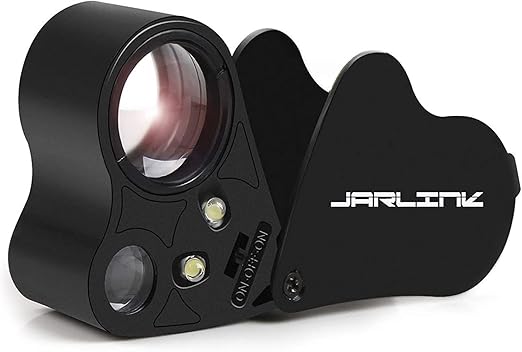
JARLINK 30X 60X Illuminated Jewelers Loupe Magnifier, Foldable Jewelry Magnifier with Bright LED Light for Gems, Jewelry, Coins, Stamps, etc

LED Jeweler's Loupe (10x-20x magnification)

Recommended
$8.99
★★★★4.3 (29,569)

Enables accurate identification by revealing critical microscopic features like leaf hair patterns, stem texture, and cellular structures that distinguish edible plants from toxic look-alikes. The LED illumination works in shaded forest conditions where natural light is insufficient

A pocket-sized magnification tool with built-in LED light for examining plant details in field conditions

Get on Amazon · $8.99

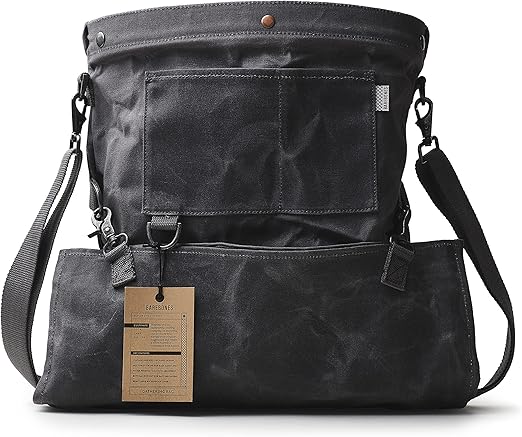
Barebones Harvesting and Gathering Bag - Foraging, Harvest and Fruit Picking Bag with Convertible Straps - Water-Resistant Waxed Canvas Gardening Tool(Slate Gray)

Foraging Harvest Bag with Multiple Compartments

Recommended
$64.97
★★★★★4.7 (401)

Prevents cross-contamination between different plant species, allows airflow to keep harvests fresh, organizes specimens by category or confidence level, and keeps tools accessible. Purpose-built design is superior to improvised containers that may crush delicate plants or allow species to mix

Breathable canvas or mesh bag with 4-6 separate zippered compartments, shoulder strap, and exterior tool loops

Get on Amazon · $64.97

2 Pack Mushroom Knives with Brush & Knife Sharpener, Folding Pocket Knife with Wood Handle for Men Women, Foraging Kit for Outdoor Camping

Stainless Steel Foraging Knife with Bark Scraper

Optional
$11.99
★★★★4.3 (43)

Makes clean cuts that promote plant healing and regrowth, handles diverse harvesting tasks from tender greens to woody stems, and the bark scraper enables proper tree identification without carrying multiple tools. Stainless steel prevents rust from plant juices and requires minimal maintenance

Specialty foraging knife with curved blade for clean cutting, serrated section for tougher stems, and blunt scraper edge for bark and root examination

Get on Amazon · $11.99

As an Amazon Associate, IRL Sidequests earns from qualifying purchases at no extra cost to you.

Prices and availability are subject to change. The price shown at checkout on Amazon at the time of purchase will apply.