Map your city's food infrastructure—from rooftop farms to restaurant composting programs. Build connections between growers, distributors, and community organizers.
Every city has a parallel food universe running underneath its surface. Rooftop beekeepers in financial districts. Restaurant alleys where produce trucks arrive at 5AM. Community gardens turning vacant lots into micro-farms. Composting networks that redirect tons of waste weekly. You walk past these nodes daily without registering them.
This quest turns you into a food systems mapper. You'll identify the key players—urban farms, food rescue operations, restaurant procurement managers, farmers market organizers, community garden coordinators. You'll interview them about supply chains, waste streams, and seasonal rhythms. The goal isn't just documentation; it's building a living resource that connects people who grow food with those who need it, spots gaps in the network, and reveals opportunities for community-level food resilience.
By week three, you'll see your neighborhood differently. That corner lot isn't empty—it's a potential growing site. That restaurant's dumpster tells a story about their sourcing. That church basement hosts a weekly food cooperative. You're not just observing; you're becoming a connector who understands how your city actually eats.
Why This Quest Matters
You'll stop seeing your neighborhood as static buildings and start noticing the living network that feeds everyone around you. By the third week, empty lots look like potential farms, restaurant alleys reveal supply chains, and you've become the person who knows which rooftop has bees and which church basement runs a food coop. You're not just documenting—you're the connector who makes a fragmented food system start working like an actual network.
What You'll Experience
How to read urban food infrastructure hiding in plain sight
Which local farms supply which restaurants and where the gaps are
The real volume and flow of food waste and recovery in your area
How to interview food operators and build useful connections between them
Digital mapping tools that turn observations into shareable community resources
What You'll Need
Top gear to make this quest great.
Pull it off
Portable Power Bank (20,000mAh+)
You'll be using mapping apps, taking photos, and recording interviews for hours across multiple days. Standard phone batteries die around hour 3. A serious power bank keeps you operational during all-day mapping sessions without hunting for outlets.
Documenting food systems means capturing details—seed varieties, plant disease patterns, soil composition, composting stages. A macro lens lets you photograph the specifics that tell the story, from aphid infestations to companion planting arrangements.
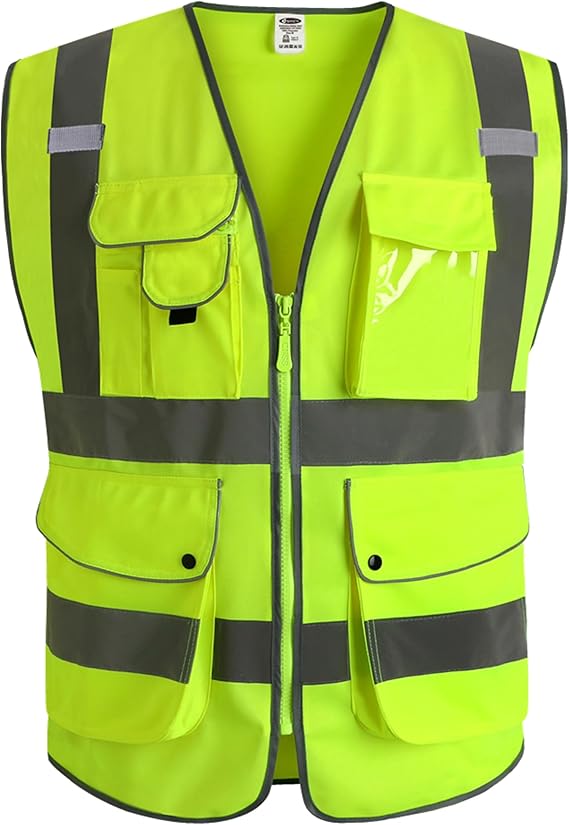
Food systems run on early schedules—produce deliveries at 5-6AM, farm work starting at dawn. A safety vest signals you're working, not trespassing, when you're photographing loading zones or visiting farms in low light. It legitimizes your presence in industrial/commercial zones.
As an Amazon Associate I earn from qualifying purchases. Prices may change.
Step-by-Step Guide
1
Map your food zone on foot
Choose a 1-2 square mile area with restaurants, markets, and potential growing spaces. Walk it for 2-3 hours noting observable infrastructure: community gardens, restaurant loading zones, delivery schedules chalked on walls, rooftop structures, alley dumpsters that reveal sourcing patterns. Create a base map using uMap or Google My Maps with layers for farms, food rescue operations, markets, composting sites, and vacant lots with growing potential.
💡 Pro Tips:
• Downtown areas, immigrant corridors, and transitioning industrial zones pack the most food diversity into small spaces
• Check alleys at 5AM when produce trucks arrive—delivery schedules tell you who sources fresh and who doesn't
2
Interview the growers and rescuers
Visit urban farms during morning hours and community gardens in the evening when people actually work them. Ask where they source seeds and supplies, where surplus goes, what seasonal challenges they face, and who else you should talk to. Document food waste systems—composting drop-offs, gleaning groups, rescue operations—and map where waste actually flows.
💡 Pro Tips:
• Introduce yourself as a food network mapper, not a journalist or activist—you're documenting, not exposing
• Ask 'who else should I talk to?' at every conversation; food people know each other and will open doors
3
Map restaurant supply chains and gaps
Target 3-5 restaurants or cafés that mention 'local' or 'seasonal.' Talk to managers about which farms they buy from, what percentage is actually local, what prevents them from sourcing more locally, and which foods are hardest to get. These conversations reveal supply gaps your map can help fill.
💡 Pro Tips:
• Skip servers—kitchen managers and owners make purchasing decisions and understand the real constraints
4
Identify opportunities and make connections
Analyze your map for patterns: food deserts, vacant lots with sun exposure and water access, restaurants that could connect with nearby farms they don't know about. Build at least two real relationships—introduce a restaurant to a farm, connect a garden with a composting site, link a food bank with a gleaning group. Convert your findings into a shareable public map with contact info, hours, and connection points.
💡 Pro Tips:
• Your map becomes useful the moment it generates a relationship that wouldn't have existed otherwise
5
Maintain the living map quarterly
Set calendar reminders to revisit your zone, add new players, remove defunct ones, and note seasonal patterns. A food systems map that evolves with planting seasons, market schedules, and new operations becomes an actual community resource instead of a dated snapshot.
💡 Pro Tips:
• Share updates with everyone you originally interviewed—they'll feed you new information and the map stays current
You'll be using mapping apps, taking photos, and recording interviews for hours across multiple days. Standard phone batteries die around hour 3. A serious power bank keeps you operational during all-day mapping sessions without hunting for outlets.
You'll conduct 10-15 interviews. Taking notes while talking breaks conversation flow. Voice recording with auto-transcription lets you stay present during conversations and review exact quotes later when writing up findings. Free tier handles most projects; paid version ($10/month) gives unlimited transcription.
Documenting food systems means capturing details—seed varieties, plant disease patterns, soil composition, composting stages. A macro lens lets you photograph the specifics that tell the story, from aphid infestations to companion planting arrangements.
Food systems run on early schedules—produce deliveries at 5-6AM, farm work starting at dawn. A safety vest signals you're working, not trespassing, when you're photographing loading zones or visiting farms in low light. It legitimizes your presence in industrial/commercial zones.
High-visibility clothing for early morning research
Farms, gardens, and food distribution happen in all weather. Standard notebooks turn to mush in rain or morning dew. Weatherproof paper lets you sketch map layouts, note GPS coordinates, and jot observations without worrying about conditions. Grid pages help with rough mapping diagrams.
Getting better at talking is weirdly fun with friends
Round up six friends, drag some chairs into a circle in your yard, and spend 90 minutes getting genuinely better at talking to people. One skill, eight-minute pair rounds, a soft chime to switch partners, and a lot more laughing than you'd expect.