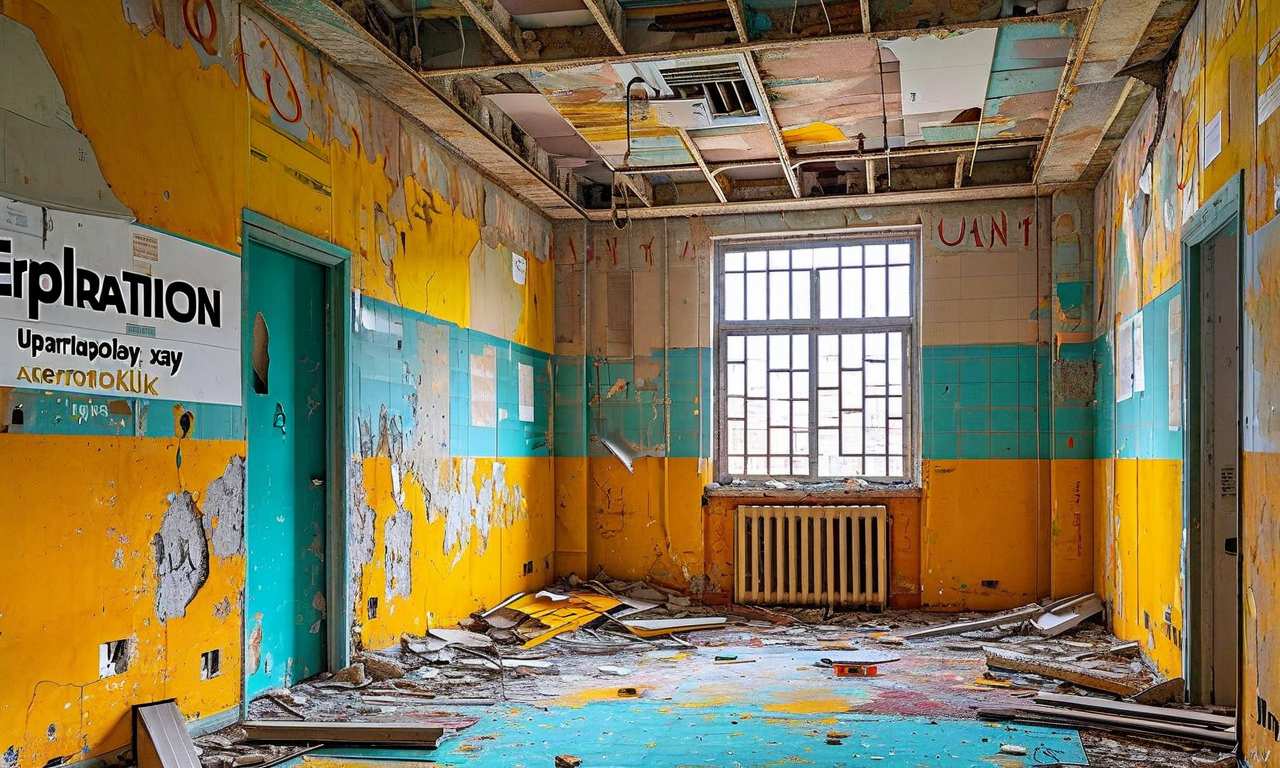
Urban Exploration Safety & Skills Academy
The difference between urban explorers and trespassers is knowledge—learn to navigate the city's hidden layers without crossing the line.
About This Quest
Master essential urban exploration techniques, safety protocols, and ethical practices for exploring abandoned spaces and restricted urban environments.
Urban exploration isn't just about finding cool abandoned places—it's about understanding structural integrity, recognizing hazards before they become problems, and knowing the legal difference between public access and criminal trespass. This academy-style quest teaches you the foundational skills that separate reckless thrill-seekers from responsible explorers who document forgotten spaces without getting arrested, injured, or worse. You'll learn to read building permits and ownership records, assess floor stability through visual cues (sagging joists, water damage patterns, rust indicators), navigate in total darkness without GPS, and understand when to turn back. The morning sessions focus on legal research and permissions—how to identify property owners, craft access requests, and recognize truly abandoned versus temporarily vacant properties. Afternoon practicals cover gear systems, emergency protocols, and the ethics of 'take only photos, leave only footprints.' This isn't a guided tour—it's a skillset that lets you explore independently while minimizing risk to yourself and the spaces you visit. You'll practice scenarios like encountering security, dealing with structural collapse warnings, and documenting spaces for historical preservation. By the end, you'll know how to plan explorations that respect both the law and the locations, turning curiosity into competent, conscious urban archaeology.
Step-by-Step Guide
Start with desktop research: Spend 90 minutes learning to use property databases, historical archives, and satellite imagery to identify abandoned properties and trace ownership. Practice distinguishing between public record access and restricted databases.
Study legal frameworks: Review local trespassing laws, adverse possession rules, and the differences between civil vs criminal trespass in your jurisdiction. Learn what 'curtilage' means and why it matters for urban explorers.
Master structural assessment basics: Learn to identify load-bearing walls, spot compromised floors (look for soft spots, discoloration, sagging), recognize asbestos and lead paint, and understand why you never walk backward in unfamiliar spaces.
Practice low-light navigation: In a controlled environment, navigate using only a headlamp with red-light mode. Learn proper light discipline, how to preserve night vision, and why you always carry two independent light sources.
Gear up properly: Assemble your exploration kit with emphasis on safety over photography. Practice the 'three points of contact' climbing technique, learn proper respirator fit testing, and understand when dust masks aren't enough.
Conduct permission reconnaissance: Draft a professional access request email to a property owner. Learn to identify sympathetic owners (historical societies, documentation projects) versus hostile ones (active development properties).
Plan an ethical exploration: Create a full exploration plan including entry/exit routes, emergency contact protocols, weather considerations, and documentation goals. Practice the 'buddy system' and establish check-in times.
Study the urbex code: Internalize core principles—never break to enter (only enter through existing openings), never steal or vandalize, never disclose specific locations publicly, always respect homeless occupants, and know when to walk away.
Learn emergency protocols: Practice what to do if confronted by security (be polite, leave immediately, never run), how to handle minor injuries in remote locations, and when to call emergency services versus self-extracting.
Review and debrief: Analyze case studies of urban explorations gone wrong—from structural collapses to legal consequences. Understand the patterns that lead to problems and how experienced explorers avoid them.
Gear Up for Your Quest
Get everything you need to make this quest amazing.
Multi-Gas Detector (Carbon Monoxide, Oxygen, H2S, LEL)
EssentialPortable monitor that detects dangerous gases in enclosed spaces like basements, tunnels, and industrial sites
Get This ItemP100 Half-Face Respirator with Replaceable Filters
EssentialNIOSH-approved respirator that filters 99.97% of particulates including asbestos, mold spores, and lead dust
Get This ItemTactical Headlamp with Red/White Modes (300+ lumens)
EssentialHands-free lighting with multiple modes, flood/spot options, and red light for preserving night vision
Get This ItemClimbing Gloves with Cut-Resistant Palms
EssentialFlexible gloves with Kevlar or similar reinforcement in high-contact areas, maintaining dexterity while protecting from sharp edges
Get This ItemDigital Property Records Subscription (Regrid or equivalent)
RecommendedOnline platform providing property ownership, parcel boundaries, tax status, and ownership history
Get This Item💙 Shopping through these links helps support IRL Sidequests at no extra cost to you. Thanks for making adventures possible!
Editor's Picks
Hand-selected quests our team thinks you'll love

Tabletop Firepit Night
Cozy, gooey, unforgettable nights.

Cocktail Science Lab
Turn your kitchen into a mad scientist’s bar.

Pellet Gun Accuracy Challenge
Sharpshooter bragging rights start here.