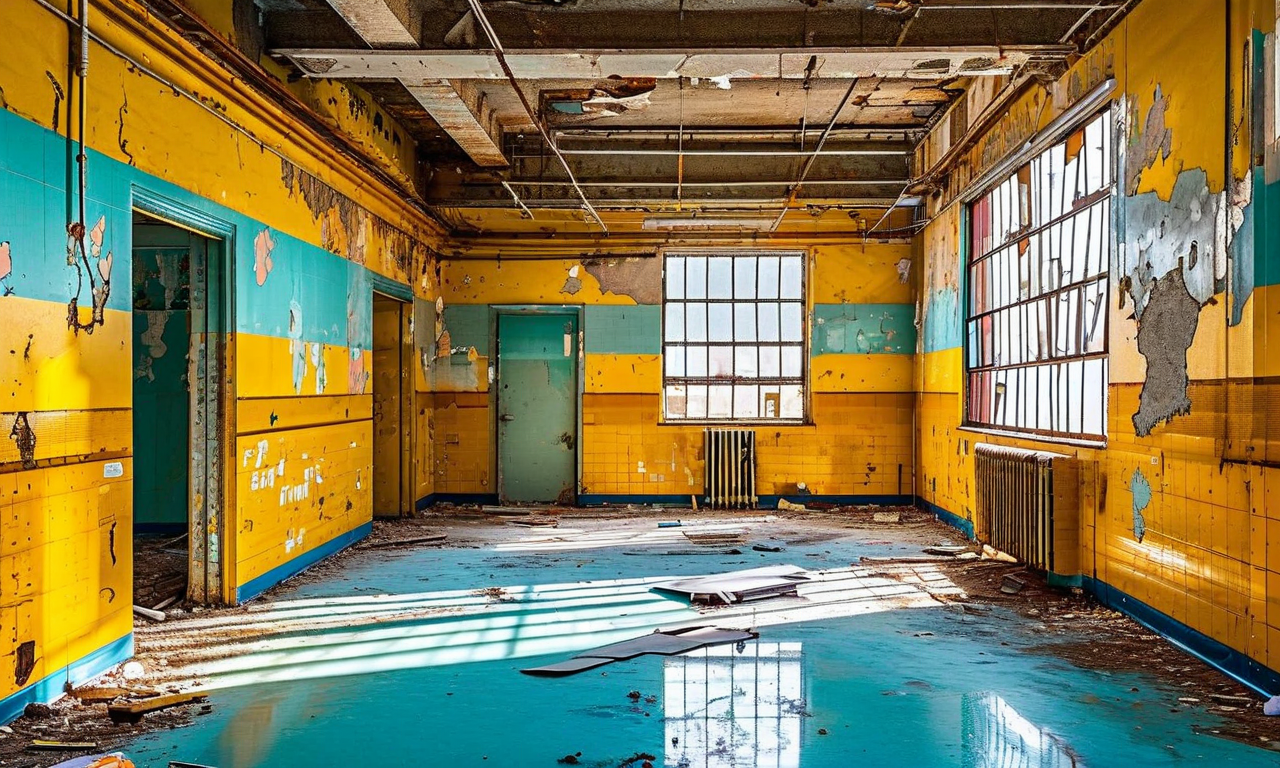
Urban Exploration Safety & Legality: Navigate Abandoned Spaces Responsibly
Explore forgotten places without forgetting the rules—master the art of responsible urban exploration.
About This Quest
Master the fundamentals of safe and legal urban exploration with this comprehensive guide to urbex ethics, permissions, safety protocols, and responsible documentation.
Urban exploration (urbex) offers thrilling opportunities to discover abandoned buildings, forgotten infrastructure, and hidden architectural gems. However, the intersection of curiosity and trespassing laws creates complex ethical and legal challenges that every explorer must navigate. This quest teaches you the critical framework for conducting urban exploration safely, legally, and responsibly—from understanding property rights and obtaining permissions to implementing proper safety protocols and risk assessment. Whether you're drawn to decaying industrial sites, abandoned hospitals, or forgotten subway tunnels, this comprehensive guide covers essential knowledge including trespassing laws by jurisdiction, liability considerations, emergency preparedness, structural hazard identification, and the urbex community's unwritten code of ethics. You'll learn to distinguish between genuinely accessible locations and those requiring special permissions, how to conduct proper reconnaissance, and when to walk away from potentially dangerous or illegal situations. Beyond mere rule-following, this quest instills a philosophy of "take only photographs, leave only footprints"—emphasizing preservation, documentation, and respect for history. You'll develop critical thinking skills for evaluating risks, understanding legal gray areas, and making ethical decisions that protect both yourself and the locations you explore. By the end, you'll possess the judgment and knowledge to pursue urban exploration as a legitimate documentation practice rather than reckless trespassing.
Step-by-Step Guide
Research local trespassing laws and urban exploration regulations in your area. Document the specific statutes, penalties, and legal definitions of abandoned property versus private property. Create a reference guide for your jurisdiction including contact information for property record searches.
Study the urbex community's ethical code: 'Take nothing but photographs, leave nothing but footprints, kill nothing but time.' Research case studies of both responsible and irresponsible urban exploration to understand real-world consequences and best practices.
Learn to identify common structural hazards including asbestos, lead paint, unstable floors, compromised ceilings, black mold, and chemical contamination. Practice visual hazard assessment using online photo databases of dangerous conditions in abandoned buildings.
Develop a location research protocol: Use property records, historical documents, satellite imagery, and community forums to identify potentially accessible locations. Learn to distinguish between genuinely abandoned properties, actively secured sites, and those with legal access options.
Create a comprehensive safety checklist covering: buddy system requirements, communication protocols, emergency exit planning, proper footwear and protective equipment, first aid preparedness, and environmental hazard awareness. Practice implementing this checklist for theoretical locations.
Research permission-seeking strategies for legitimate exploration opportunities. Draft a professional inquiry template for contacting property owners, historical societies, or municipal authorities. Identify local organizations that facilitate legal access to historical structures.
Study photography and documentation ethics specific to urban exploration. Learn techniques for respectful documentation that doesn't reveal specific locations publicly, protecting sites from vandalism while contributing to historical preservation.
Practice risk assessment decision-making using scenario exercises: Given various location descriptions, determine whether exploration would be safe, legal, and ethical. Develop clear personal boundaries for when to pursue, postpone, or abandon an exploration opportunity.
Connect with established urban exploration communities online (forums, social media groups). Observe how experienced explorers discuss safety, share information responsibly, and enforce community standards. Learn the culture before seeking mentorship.
Compile your research, protocols, and ethical framework into a personal urban exploration handbook. Include emergency contacts, legal references, safety checklists, and decision-making flowcharts. Review and update this guide quarterly as laws and best practices evolve.
Plan your first responsible exploration: Identify a location with legal public access (historical tours, officially opened abandoned sites, architectural preservation events). Apply your safety protocols in a controlled environment to test your preparedness without legal risk.
Gear Up for Your Quest
Get everything you need to make this quest amazing.
Rechargeable Tactical Headlamp (200+ lumens, red light mode)
EssentialHands-free LED headlamp with multiple brightness settings, red light mode for night vision preservation, and waterproof housing
Get This ItemSteel-Toe Urban Exploration Boots with Puncture-Resistant Soles
EssentialLightweight tactical boots featuring steel toe protection, puncture-resistant midsole plates, ankle support, and slip-resistant treads
Get This ItemN95/P100 Respirator Mask with Replaceable Filters
EssentialProfessional-grade respirator mask filtering airborne particles, mold spores, asbestos fibers, and chemical vapors with replaceable cartridge system
Get This ItemPersonal Locator Beacon (PLB) or Garmin inReach Mini
RecommendedSatellite-based emergency communication device that works without cell service, featuring SOS button, GPS tracking, and two-way messaging
Get This ItemDigital Property Records & Legal Research Subscription
RecommendedAccess to property ownership databases, historical records, and legal document search services like PropertyShark, CoStar, or county assessor subscriptions
Get This Item💙 Shopping through these links helps support IRL Sidequests at no extra cost to you. Thanks for making adventures possible!
Editor's Picks
Hand-selected quests our team thinks you'll love

Tabletop Firepit Night
Cozy, gooey, unforgettable nights.

Cocktail Science Lab
Turn your kitchen into a mad scientist’s bar.
Pellet Gun Accuracy Challenge
Sharpshooter bragging rights start here.