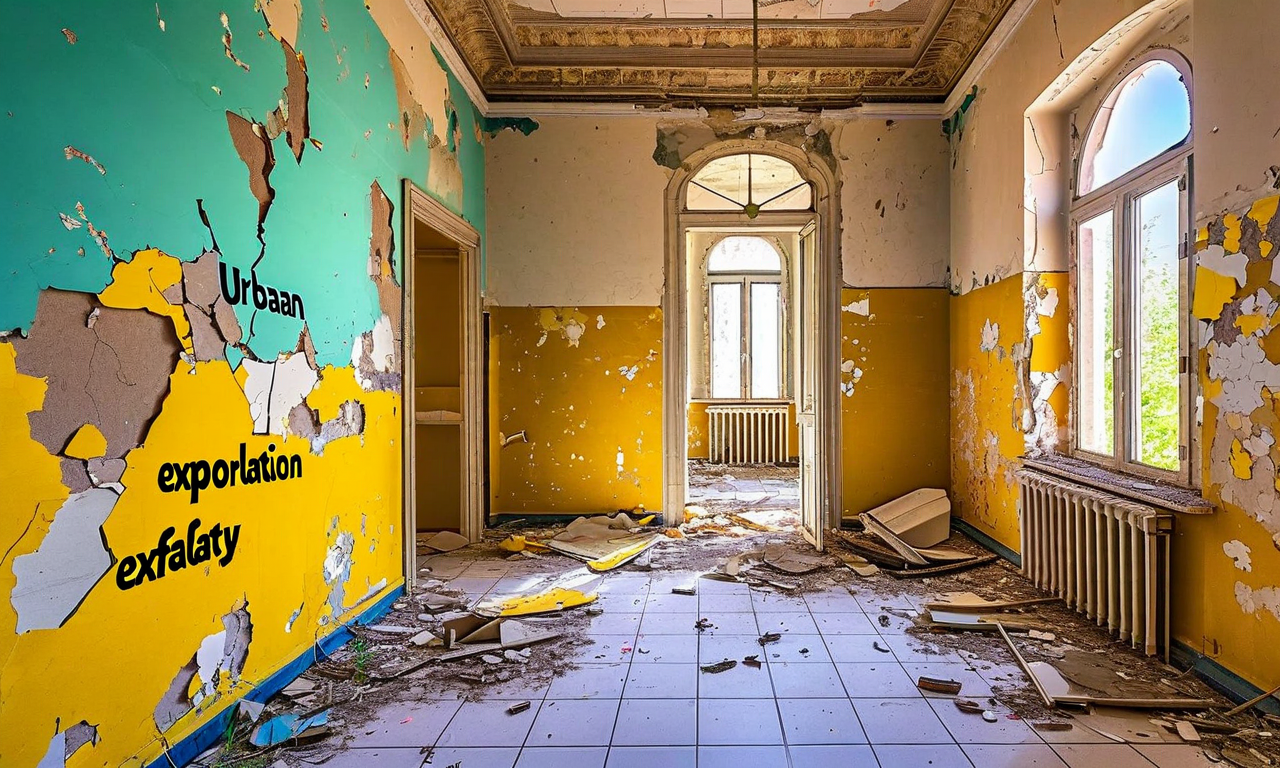
Urban Exploration Safety & Legal Guide
The difference between urban explorer and criminal trespasser? Knowing exactly where that line is.
About This Quest
Master the art of exploring abandoned spaces safely and legally. Learn trespassing laws, liability risks, and essential safety protocols before you step inside.
Urban exploration sits in legal gray zones that shift by jurisdiction, property type, and even how you gained entry. Before you climb that fence or push open that rusted door, you need to understand the actual legal landscape—not internet myths. Trespassing charges, civil liability, structural collapse, asbestos exposure, and encounters with security or other explorers all carry real consequences that a cool photo won't offset. This isn't about scaring you away from urbex. It's about giving you the framework to assess risk intelligently. You'll learn how to research property ownership, identify genuinely abandoned versus temporarily vacant buildings, understand the difference between criminal trespass and civil trespass in your state, and recognize when to walk away. The best urbex photographers I know have never been arrested—not because they're lucky, but because they do homework before stepping on site. The safety component goes beyond avoiding cops. Abandoned structures fail in predictable ways: floors rot near water sources, staircases detach at weight-bearing points, and air quality degrades in basements with poor ventilation. You'll learn structural assessment basics, contamination recognition, and the gear that actually matters (hint: it's not tactical everything). This guide compiles knowledge from urban explorers, property lawyers, and structural engineers into a practical framework you can apply before every exploration.
Step-by-Step Guide
Study your local trespassing laws: Look up your state's criminal code sections on trespass (usually Chapter 9 or similar). Understand the difference between criminal trespass (posted signs, fencing, verbal warnings) and civil trespass. Know that 'abandoned' isn't a legal defense—someone still owns it. Check if your jurisdiction distinguishes between entering and remaining on property.
Research property ownership and status: Use your county assessor's website to identify current property owners. Check for active liens, unpaid taxes (indicates potential abandonment), or recent sales. Search local news for demolition permits or redevelopment plans. Look up the property on Google Earth historical imagery to see activity patterns. Contact local historical societies—they often know which buildings are genuinely abandoned versus in legal limbo.
Identify warning signs and hazards: Before entering any structure, walk the perimeter. Look for fresh tire tracks, security cameras (often small and dome-shaped), motion sensors, or recent maintenance. Check for structural red flags: sagging rooflines, cracked foundation walls, water pooling, heavy vegetation growth (indicates roof leaks), and tilting walls. Smell for chemical odors, sewage, or dead animals. Asbestos floor tiles look like 9x9-inch squares; lead paint peels in chip patterns.
Assess legal entry points and permissions: The safest approach: contact property owners directly (use county records) and request written permission. Some owners grant access if you sign liability waivers. If permission isn't possible, understand that open doors and windows don't equal legal entry—forced entry (breaking locks, cutting fences) escalates charges significantly. Document your research process; judges distinguish between thrill-seekers and historical documentarians.
Prepare essential safety protocols: Never explore alone—minimum two-person teams with check-in schedules. Share your exact location with someone outside the site, including GPS coordinates and estimated exit time. Test floor stability by distributing weight on hands and knees before standing. Bring multiple light sources (headlamp plus backup). Download offline maps since cell service fails inside concrete structures. Set hard turnaround times (if you're not out by X time, your emergency contact calls authorities).
Gear up with safety essentials: Wear a respirator rated N95 minimum (asbestos fibers measure 0.7-90 microns). Use work gloves with grip coating—tetanus lives in rust. Steel-toe boots with ankle support prevent puncture wounds from rusty nails protruding upward through debris. Bring a structural assessment tool (laser distance measurer shows wall plumb) and air quality monitor (detects carbon monoxide, VOCs). Pack a basic first aid kit with trauma dressings—cuts from sheet metal are common.
Practice low-impact exploration ethics: 'Take only photos, leave only footprints' applies legally and ethically. Vandalism charges stack onto trespassing. Don't move or remove items—disturbing property elevates charges. Avoid graffiti (separate criminal charge). Don't share specific locations publicly; it attracts inexperienced explorers who get hurt, which brings demolition crews and police patrols. Keep sites secret to preserve them and reduce your legal exposure profile.
Develop encounter protocols: If confronted by police, remain calm, hands visible, and honest about what you're doing. Don't run—it escalates to evading/resisting charges. Politely invoke your right to remain silent beyond providing ID. Many cops will issue warnings for first-time offenses if you're respectful and leave immediately. If security approaches, apologize and exit calmly—they usually just want you gone. Other explorers can be unpredictable; maintain distance and trust your instincts about sketchy situations.
Document responsibly for legal protection: Take timestamped photos of entry points showing no forced entry. Document your research (property records, historical significance). If creating content, blur identifiable features, never show faces, and avoid location tags. Store these files separately from urbex photos. If charged, this documentation proves intent (historical documentation versus burglary scouting). Consult a local attorney familiar with trespassing cases—many offer free consultations.
Build your risk assessment checklist: Before each exploration, rate these factors 1-10: Legal risk (posted signs, recent activity), structural integrity (age, visible damage), hazard exposure (asbestos, mold, chemicals), isolation (distance from help), and weather conditions (storms create collapse risks). Total score above 35? Consider skipping it. This systematic approach replaces adrenaline-driven decisions with data-driven judgment that keeps you exploring long-term.
Gear Up for Your Quest
Get everything you need to make this quest amazing.
Half-Face Respirator with P100 Filters
EssentialReusable respirator with replaceable cartridges rated for asbestos, lead dust, mold spores, and organic vapors
Get This ItemOffline Legal Database App (Free)
EssentialMobile app providing offline access to state trespassing statutes, property records APIs, and legal precedent summaries
Get This ItemStructural Laser Distance Meter
RecommendedHandheld laser measuring tool with accuracy to 1/16 inch up to 165 feet, includes angle measurement
Get This ItemMulti-Gas Detector Monitor
RecommendedPortable air quality monitor detecting carbon monoxide, oxygen levels, hydrogen sulfide, and combustible gases with audible alarms
Get This Item💙 Shopping through these links helps support IRL Sidequests at no extra cost to you. Thanks for making adventures possible!
Editor's Picks
Hand-selected quests our team thinks you'll love

Tabletop Firepit Night
Cozy, gooey, unforgettable nights.

Cocktail Science Lab
Turn your kitchen into a mad scientist’s bar.

Pellet Gun Accuracy Challenge
Sharpshooter bragging rights start here.