IRL Sidequests
Urban Ecology Citizen Science - Nature & Outdoors quest for Beginner level adventurers

Urban Ecology Citizen Science

Your neighborhood park holds scientific secrets—and researchers need your eyes to uncover them.

About This Quest

Join a global network of citizen scientists documenting urban biodiversity. Use proven observation protocols to track wildlife, plants, and environmental changes in your city while contributing to real scientific research.

The sparrow you see pecking at sidewalk crumbs isn't just background noise—it's data. Urban ecology citizen science turns casual observations into genuine research contributions. I spent last spring documenting bumblebee species in a community garden plot, and my observations ended up in a pollinator decline study published by a state university. The satisfaction of seeing 'Data contributed by: [your username]' in an actual research paper hits different. Cities are living laboratories where wildlife adapts in real-time. Peregrine falcons nest on skyscraper ledges. Coyotes learn subway schedules. Native plants reclaim vacant lots. Scientists need consistent, widespread observations to understand these patterns, but they can't be everywhere. That's where you come in. With standardized protocols and modern apps, your smartphone becomes legitimate scientific equipment. The early morning is golden—between 6-8 AM you'll catch the most bird activity, and the light is perfect for plant photography before harsh midday sun washes everything out. This isn't passive nature watching. You'll learn identification skills, understand ecological relationships, and join active research projects. I've watched a red-tailed hawk family raise three clutches from the same oak tree over two years, documenting each stage. The local Audubon chapter now uses that tree as a field trip destination. Your observations create longitudinal datasets that reveal migration timing shifts, invasive species spread, and climate adaptation strategies. Real science, real impact, happening in whatever green space you can reach on foot.

Duration
2-3 hours per session
Estimated Cost
Free
Location
Outdoor
Season
Year-round
Family Friendly
All ages welcome

Step-by-Step Guide

1

Download iNaturalist and create an account—it's the primary platform for biodiversity citizen science with 140+ million observations globally. Spend 20 minutes browsing your local area's observations to see what species others have documented nearby.

2

Choose your focus area: a specific park, street corridor, or green space you can visit regularly. Consistency matters more than coverage. I rotate between three locations within walking distance, visiting each twice monthly to track seasonal changes.

3

Learn the observation protocol: photograph organisms clearly showing identifying features, note exact location via GPS, record date and time, add habitat notes. For plants, capture leaf arrangement, flowers if present, and bark texture. For animals, behavior and habitat context help with identification.

4

Make your first observation session: spend 90 minutes systematically documenting everything you encounter. Don't self-identify beyond your confidence level—the community will help. I mark things as 'unknown' constantly, and experts usually identify them within 24 hours. Focus on getting clear photos from multiple angles.

5

Join a specific research project on iNaturalist or eBird. Search for local biodiversity surveys, pollinator monitoring programs, or phenology studies. The 'Projects' tab shows active initiatives in your region. I contribute to three ongoing studies tracking urban bat populations, native bee diversity, and climate-indicator plant species.

6

Establish a monitoring routine: weekly visits during the same time window produce the most valuable data. Track the same individual trees, check specific flower patches, monitor nest sites. Repeated observations reveal patterns single visits miss. Tuesday mornings work for me—less foot traffic, consistent lighting.

7

Document environmental context: note weather conditions, temperature, recent precipitation, human disturbances. These variables help researchers understand observation patterns. A sudden absence of a species is data; recording why (construction started, trees cut, new dog park opened) makes it useful data.

8

Engage with the community: comment on local observations, ask identification questions, share interesting findings. The naturalist network is genuinely helpful. Someone will explain why that 'weird bug' is actually a parasitic wasp, and suddenly you're learning about biological pest control.

9

Review your contribution stats monthly: track species count, observations submitted, identifications you've helped confirm for others. Watch your naturalist level increase as the community verifies your work. Research-grade observations (confirmed by multiple users) carry more weight in scientific datasets.

10

Connect your data to actual research: many iNaturalist projects publish findings. Follow the studies using your region's data. I've seen three papers citing observations from my neighborhood, including one tracking how urban light pollution affects moth diversity. Knowing your Tuesday morning walk contributed to peer-reviewed research creates unexpected motivation.

Gear Up for Your Quest

Get everything you need to make this quest amazing.

Smartphone clip-on macro lens attachment

Recommended
$20-40

Clip-on lens that attaches to your phone's camera, typically 10-25x magnification for extreme close-up photography of small insects, flower details, and lichen structures

Get This Item

Field guide app subscription (Merlin Bird ID, Seek by iNaturalist, or Picture Insect Pro)

Recommended
$0-30/year

Specialized identification apps with AI-powered image recognition, range maps, and offline access to species databases

Get This Item

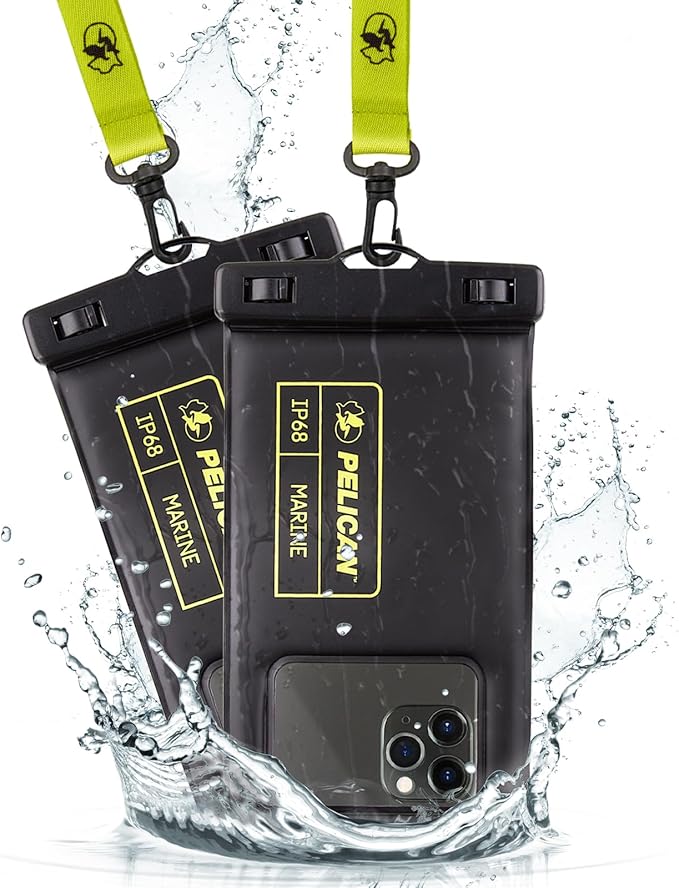
Weatherproof phone case with lanyard

Optional
$25-45

Waterproof protective case with neck or wrist strap for hands-free carrying and quick camera access

Get This Item

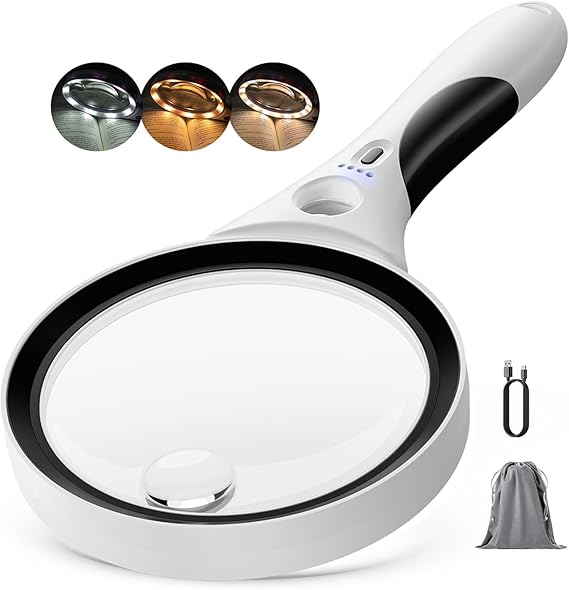
Hand lens (10x or 20x magnification)

Optional
$15-35

Pocket-sized magnifying loupe used by field biologists for examining small specimens, plant structures, and insect details up close

Get This Item

💙 Shopping through these links helps support IRL Sidequests at no extra cost to you. Thanks for making adventures possible!