The best art isn't behind velvet ropes—it's in converted warehouses where you can watch it happen.
Navigate your city's creative quarters to meet working artists, watch live demos, and discover pieces before galleries mark them up.
Most cities cluster their working artists in former industrial zones—the brick buildings with huge windows that let north light flood in. These districts operate on rhythms gallery districts don't: studios open sporadically, artists work with doors ajar, and you'll find pottery wheels spinning at 2 PM on a Tuesday. The murals change every few months. The welding sparks are real. You're not here for the Instagram moment or the "curated experience." You're mapping where your city's makers actually make things. That means walking alleys between converted factories, noticing which buildings have kiln vents, and learning which coffee shops artists use as unofficial offices. Studios doing open hours usually prop doors with a brick or hang a flag. The smell of oil paint, sawdust, or hot metal tells you what's happening before you see it. The timing matters. First Friday openings mean wine and crowds. Weekday afternoons mean you might be the only visitor, and an artist mid-project will explain their process while stretching canvas or mixing glazes. Bring cash—many sell seconds or small pieces directly, no gallery commission. You'll leave knowing three artists by name and understanding why that sculptor works in reclaimed steel instead of bronze.
Map your city's art districts before you walk. Check local arts council websites or search "artist studios + [your city]" to identify concentrated zones. Mark buildings with multiple studio tenants—former textile mills, warehouse conversions, or industrial parks labeled as "creative spaces."
Pick a First Friday evening (5-9 PM) for maximum open doors, or a Saturday afternoon (2-5 PM) for quieter, longer conversations. Artists working weekdays often appreciate mid-afternoon visitors when they need a break from solitary work.
Start at the district's main drag, but walk every side street and alley. Studios hide in back buildings, second floors, and basements. Look for: external stairs with art posters, loading docks converted to entries, windows with sculpture visible inside, or hand-painted signs with artist names and unit numbers.
When a studio door is open or says "Welcome," walk in. Skip the gallery script—don't say "just browsing." Ask what they're working on right now, how long they've been in this space, or what brought them to this medium. Artists in work mode will show you pieces in progress, not just finished inventory.
Watch for communal spaces—shared kilns, printmaking presses, woodshops. These spots see multiple artists rotating through. Check bulletin boards for show announcements, studio shares, or workshop listings. Grab business cards even if you're not buying today.
Document the district's infrastructure: which buildings have loading zones for moving large pieces, where food trucks park during events, which cafes have outlets and strong wifi (artist offices). Take notes on studios you want to revisit—many don't have strong online presence.
If you connect with an artist's work, ask if they sell directly. Studio prices skip the 50% gallery markup. Many accept Venmo or checks. Don't haggle—these are working prices, not negotiable like a flea market.
Before leaving, ask artists for recommendations: "Who else in this building should I check out?" or "Which studios on the next block are worth visiting?" Artists know their neighbors and will steer you to open doors you'd walk past.
End at the district's artist-run bar, cafe, or supply shop. These are the third places where makers gather to decompress. You'll overhear conversations about kiln schedules, grant deadlines, and whose opening is next week.
Follow up within 48 hours. Email the artists whose cards you collected, reference what they showed you, and ask about their next open studio date. Building these connections turns this from a one-time walk into ongoing access to your city's creative engine room.
Get everything you need to make this quest amazing.
Studios rarely have visitor outlets, and you'll be documenting work, checking artist websites, and using maps for 3-4 hours straight. A dead phone means missing contact info when an artist hands you their card.
10,000mAh battery pack with USB-C fast charging
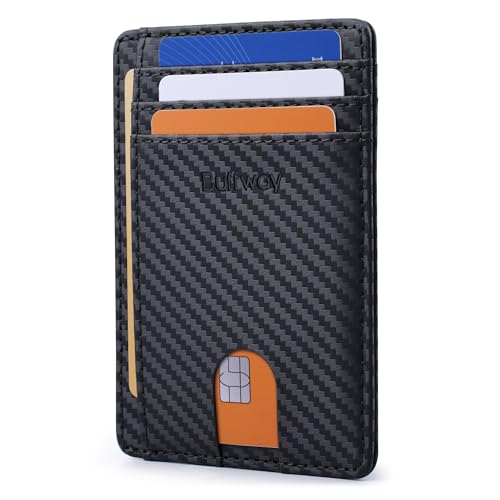
You'll collect artist cards rapidly and need space for cash purchases. A bulky wallet or loose cards in pockets means losing contact info for artists you want to commission later.
Compact wallet holding bills and 10-15 business cards
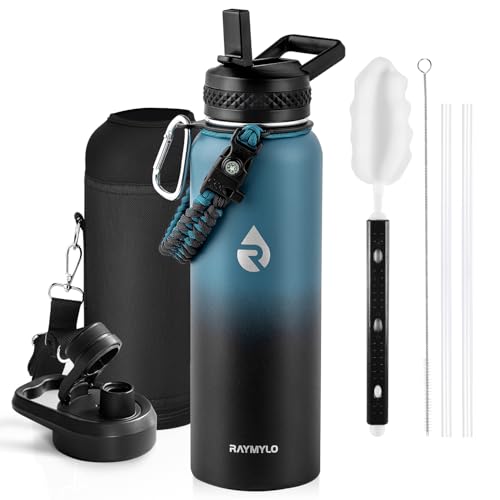
Studios are often un-air-conditioned spaces with ovens, kilns, or torches running. You're walking 2-3 miles between buildings in industrial zones with few stores. Staying hydrated keeps you from cutting the route short.
16oz stainless bottle with carabiner or strap
Studio spaces are tight—10x12 feet with work covering every surface. Standard phone cameras can't capture full installations or large canvases without backing into walls. Wide angle shows the artist's full working environment.
0.6x wide angle attachment for phone cameras
As an Amazon Associate, IRL Sidequests earns from qualifying purchases at no extra cost to you.
Prices and availability are subject to change. The price shown at checkout on Amazon at the time of purchase will apply.
Hand-selected quests our team thinks you'll love

Wake up with the birds and see your neighborhood through new eyes.

The best way to learn creative skills? Make bad art until it gets good.

Your hands built the first bowls 20,000 years ago. They still can.