Learn proven frameworks for designing and leading group quests that keep teams engaged, collaborative, and coming back for more real-world adventures.
Running group quests isn't about herding cats—it's about designing social architecture that makes collaboration feel natural. After organizing 40+ group adventures across three cities, I've learned that the best experiences happen when you balance autonomy with shared goals, build in natural conversation moments, and give people clear roles without making it feel forced.
The magic happens in the margins. Small teams of 3-4 work better than crowds of 10+. Checkpoints every 20-30 minutes maintain momentum without feeling rushed. Optional challenges let competitive folks shine while keeping casual participants comfortable. The framework matters more than the activity—I've seen the same structure work for urban photo scavenger hunts, neighborhood cleanup competitions, and collaborative art installations.
This guide breaks down eight tested group quest formats, from cooperative treasure hunts to competitive relay challenges. You'll learn how to pace activities, design point systems that encourage teamwork over individual showboating, and handle the inevitable late arrivals or early departures without derailing the experience. Most importantly, you'll understand when to step back and let the group self-organize versus when to provide structure.
Why This Quest Matters
The framework you build matters more than the activity itself—the same structure works for urban photo scavenger hunts, neighborhood cleanup competitions, and collaborative art installations. When you balance autonomy with shared goals and build in natural conversation moments, collaboration feels effortless rather than forced. You'll walk away knowing how to turn any gathering into an adventure that people actually remember.
What You'll Experience
Eight tested group quest formats from cooperative treasure hunts to competitive relay challenges
How to pace activities with checkpoints that maintain momentum without feeling rushed
Point system design that encourages teamwork over individual showboating
When to step back and let groups self-organize versus when to provide structure
How to handle late arrivals and early departures without derailing the experience
What You'll Need
Top gear to make this quest great.
Pull it off
Team Communication Walkie-Talkies (Set of 4-6)
Enables real-time coordination between split teams without draining phone batteries or relying on cell service. Creates a more immersive, old-school adventure feel while keeping everyone connected during complex multi-location challenges.
Makes rotating roles visible and official without permanent commitment. Color-coding helps strangers identify team members in crowds, and the dry-erase surface lets you update Navigator/Photographer/Communicator assignments at each checkpoint.
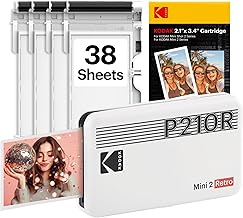
Transforms digital documentation into physical keepsakes on the spot. Teams can create instant photo albums, build collaborative collages at checkpoints, or leave proof-of-completion stickers. Adds tangible reward beyond phone galleries.
As an Amazon Associate I earn from qualifying purchases. Prices may change.
Step-by-Step Guide
1
Pick format and split into pods
Choose cooperative challenges for 6-12 people where everyone contributes to a shared goal. For 12-20, split into competing teams of 3-4. Small pods prevent anyone from hiding in the crowd while keeping logistics manageable.
💡 Pro Tips:
• Teams of 3-4 hit the sweet spot—big enough for diverse skills, small enough that everyone must participate
2
Map checkpoints every 20-30 minutes
Plot natural gathering points like coffee shops, park benches, or building stoops along your quest route. These stops regroup stragglers, share progress updates, and create organic social mixing as teams chat while waiting.
💡 Pro Tips:
• Checkpoints maintain momentum without feeling rushed—use them to rotate roles and prevent one person from dominating
3
Design collaborative point systems
Award 40% for completing challenges, 30% for creativity or quality, 20% for teamwork indicators (helping other teams, including everyone, positive energy), and 10% for documentation. This prevents speed demons from dominating while keeping competitive tension. Add optional side quests worth 10-15% of total points so competitive teams can pull ahead without pressuring casual participants.
💡 Pro Tips:
• Side quest examples: photograph five street art pieces, collect business cards from three local shops, or document the oldest building in each neighborhood section
4
Assign rotating roles at each checkpoint
Designate a Navigator, Photographer, Communicator, and Wildcard, then rotate these every 3-4 challenges. It forces quieter members to step up and prevents one person from controlling the experience.
💡 Pro Tips:
• Establish one group chat for announcements, separate team channels for coordination, and a check-in window (respond within 10 minutes or you're considered separated)
5
End with collaborative capstone
Have teams combine their collected items, photos, or discoveries into a shared presentation, map, or creative display. The competitive element gets you there; the collaborative ending creates the lasting memory rather than just reading a scoreboard.
💡 Pro Tips:
• The finale shifts energy from competition to celebration—design it so teams showcase what makes their approach unique
6
Debrief within 48 hours
Share all photos in a collaborative album, post final scores with specific callouts for creative solutions, and poll the group for format feedback. This sets up recurring participation and refines your approach for next time.
💡 Pro Tips:
• Strike while energy is fresh—delayed debriefs lose 80% of the momentum for future events
Enables real-time coordination between split teams without draining phone batteries or relying on cell service. Creates a more immersive, old-school adventure feel while keeping everyone connected during complex multi-location challenges.
Streamlines planning for repeat organizers. Includes tested formulas for balancing difficulty curves, calculating optimal team sizes, and pacing checkpoints. Saves 3-4 hours of planning per event once you internalize the system.
Spreadsheet framework with pre-built tabs for challenge design, point allocation, timing estimates, and participant tracking
Makes rotating roles visible and official without permanent commitment. Color-coding helps strangers identify team members in crowds, and the dry-erase surface lets you update Navigator/Photographer/Communicator assignments at each checkpoint.
Reusable name badge holders with colored insert cards, lanyards, and dry-erase surfaces for role assignments
Transforms digital documentation into physical keepsakes on the spot. Teams can create instant photo albums, build collaborative collages at checkpoints, or leave proof-of-completion stickers. Adds tangible reward beyond phone galleries.
Pocket-sized photo printer that connects via Bluetooth and prints 2x3 inch photos on adhesive-backed paper
Creates physical mystery and anticipation for checkpoint challenges. Teams open envelopes to reveal next tasks rather than checking phones. The tactile element makes the experience feel more game-like and less like following GPS directions.
Weather-resistant document envelopes in bright colors (50-100 pack) with string closure and write-on surface
Getting better at talking is weirdly fun with friends
Round up six friends, drag some chairs into a circle in your yard, and spend 90 minutes getting genuinely better at talking to people. One skill, eight-minute pair rounds, a soft chime to switch partners, and a lot more laughing than you'd expect.