
Seasonal Festival Hunt
The best festivals don't show up in Google's top results—they're chalked on sidewalks and posted in community centers.
About This Quest
Navigate your city's seasonal events like a local insider. Learn to find hidden festivals, authentic cultural celebrations, and community gatherings beyond tourist traps.
Tourist-trap festivals charge $40 for parking and serve $15 food truck tacos. Real neighborhood festivals? Free entry, homemade tamales from someone's abuela, and live music that actually slaps. The difference is knowing where to look. Seasonal events follow rhythms most people miss. Spring means cherry blossom festivals in Japanese neighborhoods, Easter egg rolls in Polish districts. Summer brings block parties that need zero promotion because everyone just knows. Fall cranks up harvest festivals at community gardens, Día de los Muertos altars in Latino areas. Winter? Holiday markets in ethnic enclaves selling stuff you can't find on Amazon. Each season has layers—religious holidays, cultural celebrations, agricultural cycles, neighborhood traditions that repeat annually but fly under the radar. The hunt itself becomes addictive. You start noticing patterns: certain parks host monthly gatherings, specific churches do annual fundraisers with incredible food, neighborhood associations post flyers two weeks before events. You build a mental map of your city's cultural calendar. By your third season, you're the friend everyone texts asking what's happening this weekend.
Why This Quest Matters
By your third season, you're the friend everyone texts asking what's happening this weekend. You'll eat homemade tamales from someone's abuela, discover holiday markets selling things Amazon will never stock, and map your city's cultural rhythms most residents never notice. The festivals that matter don't charge $40 for parking—they're the ones neighborhoods have been throwing for decades.
What You'll Experience
- Which neighborhoods host celebrations tied to lunar calendars, harvest cycles, and religious holidays
- How to read physical community spaces for event intel before it hits the internet
- Timing strategies for food freshness, vendor chattiness, and crowd avoidance
- A personal network of volunteers, vendors, and musicians who share insider event knowledge
- Your city's hidden cultural calendar spanning 15-20 annual events worth repeating
What You'll Need
Top gear to make this quest great.
Pull it off
Crossbody bag with RFID blocking
Keeps hands free while protecting cards and phone in crowded festival environments. Internal organization prevents the 'digging through bag while holding food' struggle. Crossbody style deters pickpockets at large events.
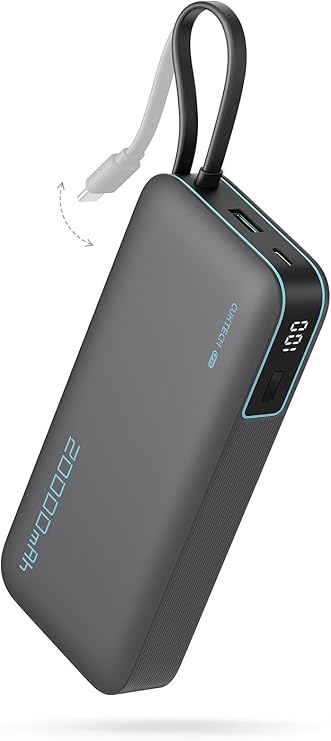
Critical for all-day events when you're using maps, taking photos, and coordinating meetups. The 20,000mAh capacity covers multiple device charges without needing an outlet. Dual ports let you help out friends whose phones died.
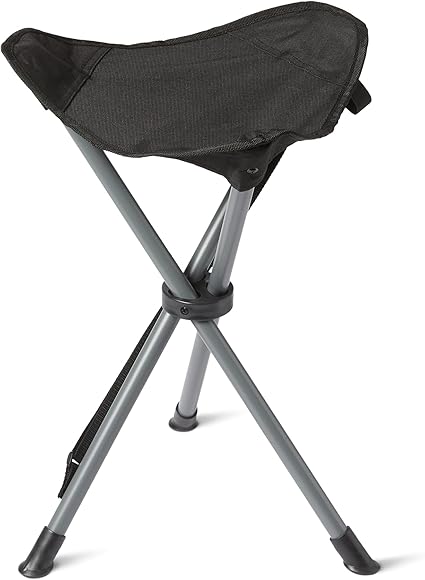
Transforms wait times and performances. Many festivals have limited seating—this lets you claim space anywhere. Especially valuable for music festivals, parades, and outdoor markets where standing for 3+ hours kills your feet and back.
As an Amazon Associate I earn from qualifying purchases. Prices may change.
Step-by-Step Guide
Scout physical intel sources
Hit library bulletin boards, community centers, ethnic grocery stores, and places of worship for event flyers. That faded lamppost announcement for a Lithuanian Independence Day celebration? That's exactly what you're hunting for. Physical postings appear weeks before digital ones and reveal hyper-local gatherings.
💡 Pro Tips:
- • Photograph flyers immediately—they get covered or weathered within days
- • Community center staff know which neighborhood groups host annual events
Build your digital watch list
Follow neighborhood-specific Facebook groups and NextDoor feeds, not citywide event pages. Bookmark your city's Parks & Rec event calendar directly—it's always buried three clicks deep. Sign up for cultural organization newsletters with under 2,000 followers where real neighborhood events get announced.
💡 Pro Tips:
- • Local chambers of commerce newsletters list fundraisers and block parties months ahead
Map the cultural calendar
Plot seasonal patterns: Lunar New Year in Chinatowns (Jan-Feb), Nowruz park gatherings in Persian neighborhoods (March), Greek festivals (June), harvest celebrations at community gardens (September), Las Posadas processions (December). After one year, you'll have 15-20 events worth repeating and understand your city's hidden rhythms.
Scout before committing
Arrive 30 minutes after start time to gauge crowd energy and see what's actually happening. Walk the perimeter, check which food vendors have lines, photograph event schedules and menus. If it feels right, stay. If it's overhyped, leave for your backup option.
💡 Pro Tips:
- • Note peak crowd times and parking situations for your database
- • Voice memos capture details you'll forget by next season
Cultivate insider sources
Chat with volunteers about other upcoming gatherings. Ask food vendors where else they're set up this month. That jewelry maker at the craft fair knows about three more markets happening soon. Musicians play multiple festivals and love sharing their schedule. Trade information, build a network.
Master timing and preparation
Food festivals demand opening-time arrival when everything's fresh. Craft fairs peak midday when vendors are chatty. For parades, stake spots near the end route where crowds thin. Pack small bills, reusable bags, broken-in shoes, phone charger, and weather layers. Call ahead for weather-dependent events if you're driving more than 30 minutes.
Gear Up for Your Quest
The gear that makes this quest work.
Pull it off

Crossbody bag with RFID blocking
Keeps hands free while protecting cards and phone in crowded festival environments. Internal organization prevents the 'digging through bag while holding food' struggle. Crossbody style deters pickpockets at large events.
+ complete the kit — 3 more

Critical for all-day events when you're using maps, taking photos, and coordinating meetups. The 20,000mAh capacity covers multiple device charges without needing an outlet. Dual ports let you help out friends whose phones died.
High-capacity battery pack with dual USB ports and pass-through charging
Get on Amazon · $29.99 — Portable phone charger (20,000mAh+)details & deals →
Compact folding stool or ground seat
RecommendedTransforms wait times and performances. Many festivals have limited seating—this lets you claim space anywhere. Especially valuable for music festivals, parades, and outdoor markets where standing for 3+ hours kills your feet and back.
Lightweight folding stool or portable stadium cushion with carrying strap
Get on Amazon · $18.29 — Compact folding stool or ground seatdetails & deals →
Wide-brim packable sun hat
RecommendedOutdoor festivals mean sun exposure. Packable design fits in your bag when you move indoors or to shaded areas. Chin strap keeps it secure in wind or crowds. Better than constantly reapplying sunscreen to your face and neck.
Crushable/packable hat with 3+ inch brim and chin strap
Get on Amazon · $9.99 — Wide-brim packable sun hatdetails & deals →RELATED GEAR GUIDE
9 Pieces of Gear for a Home Cocktail Kit That Works
Field-tested picks · Social & Community
As an Amazon Associate, IRL Sidequests earns from qualifying purchases at no extra cost to you.
Prices and availability are subject to change. The price shown at checkout on Amazon at the time of purchase will apply.
Editor's Picks
Hand-selected quests our team thinks you'll love

Guerrilla Gardening: Plant Beauty Where It's Not Expected
That cracked sidewalk planter doesn't need to stay dead—fill it with wildflowers at 2AM and watch neighbors smile for months.

Backyard Conversation Workshop
Your backyard becomes the training ground where awkward silences turn into confident conversations.

Community Kitchen & Culinary Connection Hub
The best recipes get passed hand-to-hand, not screen-to-screen.
Not this one?
Get a different side quest in 30 seconds
Tell the generator how much time you have, who you're with, and your mood — it picks from 500+ quests like this one.
Try the real life side quest generator