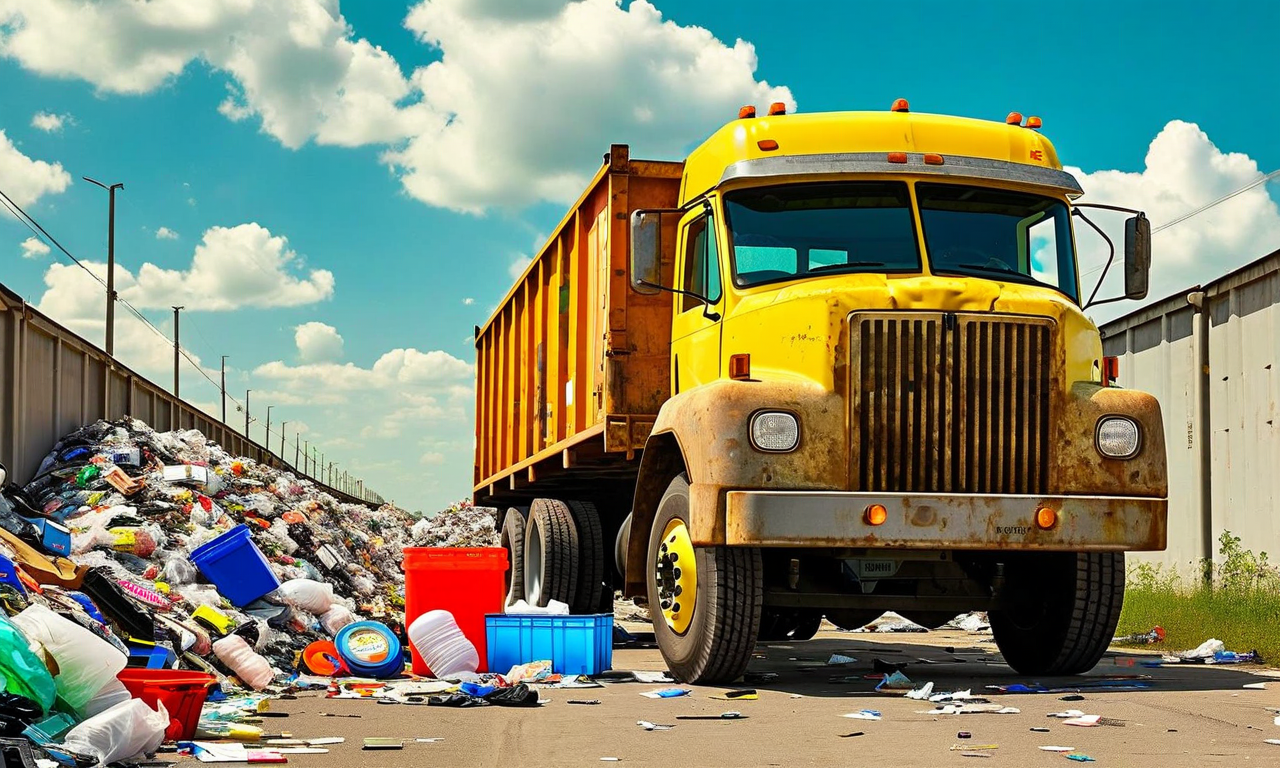
Dumpster Diving (Safe/Legal)
One person's trash isn't just treasure—it's a statement against planned obsolescence.
About This Quest
Master the art of safe, legal dumpster diving to rescue perfectly good items from waste streams while respecting property boundaries and local laws.
The alley behind the furniture store reeks of cardboard and possibility. Inside that blue dumpster sits a mid-century chair with one wobbly leg—thirty minutes of work away from being functional again. Dumpster diving isn't about desperation; it's about intercepting waste before it hits the landfill and recognizing value where the system sees none. You'll find electronics that need minor repairs, food sealed and fresh but past arbitrary sell-by dates, textiles destined for decomposition, and building materials from renovation projects. The best divers work early morning routes (5-7 AM) before trash pickup, know which stores have policies that require disposal of returned items, and understand the legal boundaries between public waste and private property. You're not stealing—you're salvaging. But that distinction matters in court, so knowing local ordinances isn't optional. This isn't about rummaging blindly through residential garbage. Strategic dumpster diving targets commercial waste streams: retail stores that destroy returns, bakeries discarding day-old bread, electronics shops tossing customer trade-ins, and college dorms during move-out week. The smell varies—bakery dumpsters carry yeast and sugar, while electronics bins smell like dust and plastic. You'll hear the crunch of cardboard under your boots, the metallic clang when you lift a lid, and occasionally the hiss of a security light kicking on. Your hands will get dirty despite gloves. That's the price of entry. But when you pull out a sealed coffee maker still in its box, or rescue twenty pounds of apples headed for decomposition, the system's waste becomes visceral. You're not just finding free stuff—you're witnessing how much perfectly usable material our economy treats as garbage, and choosing to do something about it.
Step-by-Step Guide
Research local laws and ordinances about dumpster diving in your area—some municipalities prohibit it, others allow it only for publicly accessible dumpsters, and trespassing laws always apply to private property even if the dumpster is accessible.
Scout locations during daylight hours first: identify which businesses have open dumpsters (not locked or in gated areas), note security cameras, and observe whether 'No Trespassing' signs are posted—if they are, move on regardless of what's inside.
Choose your target category—bakeries and grocery stores for food (check 4-6 AM before pickup), retail stores for returned merchandise (evenings after closing), college areas during semester end (mid-May and mid-December), or construction sites for building materials (always ask foreman first).
Dress in layers you can wash immediately after: long sleeves, pants that can get stained, closed-toe boots with good traction, and bring a headlamp for hands-free lighting—early morning and evening dives happen in low light.
Approach respectfully: never make a mess, never scatter trash, and if an employee or owner asks you to leave, do so immediately without argument—burning bridges means losing access.
Use your reaching tool to shift bags and items without climbing inside—never enter a dumpster unless you've verified it's structurally safe, has ventilation, and someone knows where you are (compactors and locking lids have killed people).
Inspect food carefully: sealed packages past sell-by dates are generally safe if storage temperature was appropriate, but discard anything with broken seals, odd smells, or visible mold—when in doubt, compost it instead of eating it.
For electronics and goods, test functionality as soon as possible and research any recalls—free isn't worth if it's actually dangerous.
Clean your finds thoroughly: food gets washed and inspected again at home, textiles go straight into hot water wash, electronics get wiped down with isopropyl alcohol, and furniture gets disinfected before entering your living space.
Document your best finds and calculate saved waste—tracking five pounds of food rescued here, a functional lamp there creates a tangible record of impact and helps you refine which locations produce the most valuable results.
Share excess through mutual aid networks, Buy Nothing groups, or food-sharing apps rather than hoarding—the point is reducing waste, not stockpiling.
If confronted by police, stay calm and know your rights: in most jurisdictions, if you're on public property accessing a publicly accessible dumpster with no trespassing signs, you're within legal bounds, but always carry ID and be prepared to explain yourself respectfully.
Gear Up for Your Quest
Get everything you need to make this quest amazing.
Heavy-Duty Nitrile Gloves (100-pack)
EssentialExtended cuff nitrile gloves rated for puncture resistance and chemical contact
Get This ItemExtendable Reaching Tool (36-inch)
EssentialFolding grabber tool with rubberized grip pads and locking mechanism
Get This ItemCompact Milk Crate or Collapsible Storage Bin
RecommendedStackable plastic crate or folding bin with handles and ventilation holes
Get This ItemUV Flashlight (365-395nm)
RecommendedUltraviolet flashlight for detecting organic stains and verifying cleanliness
Get This Item💙 Shopping through these links helps support IRL Sidequests at no extra cost to you. Thanks for making adventures possible!
Editor's Picks
Hand-selected quests our team thinks you'll love

Tabletop Firepit Night
Cozy, gooey, unforgettable nights.

Cocktail Science Lab
Turn your kitchen into a mad scientist’s bar.

Pellet Gun Accuracy Challenge
Sharpshooter bragging rights start here.