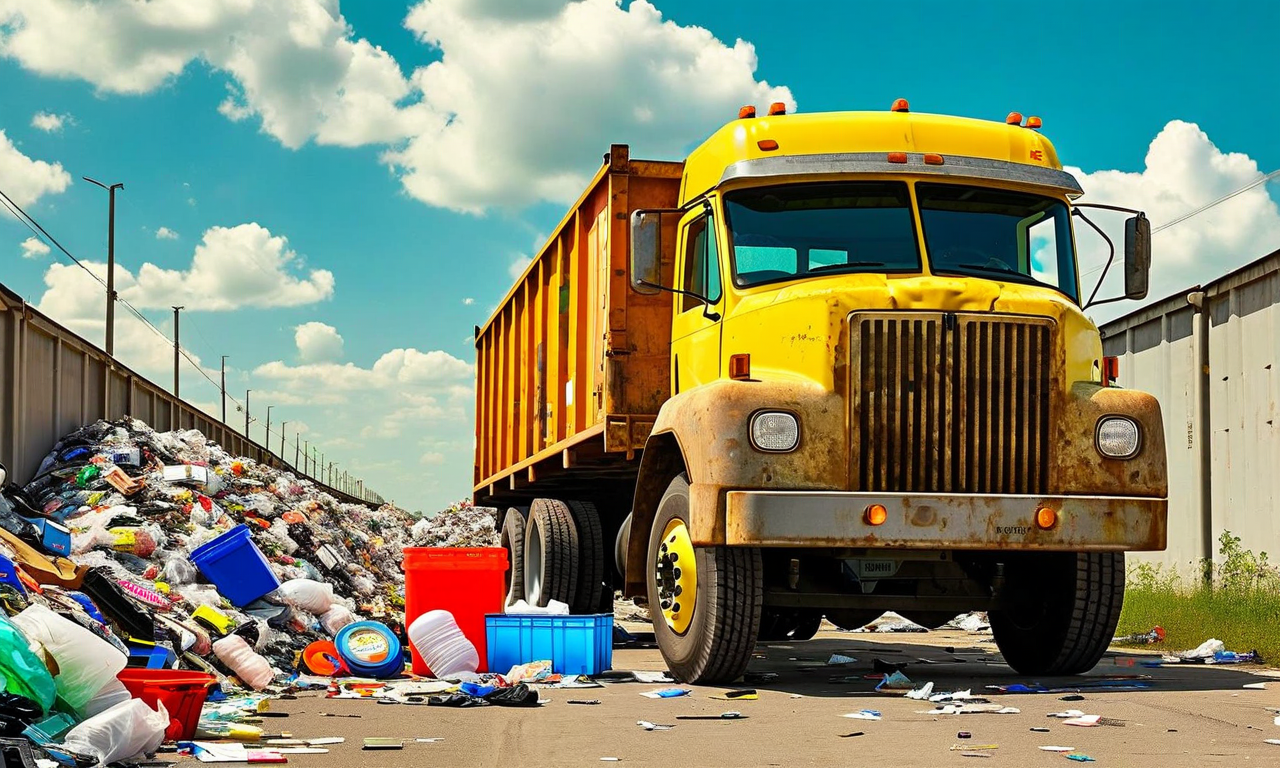
Dumpster Diving (Safe/Legal): Urban Foraging for Treasure
One person's trash is your next treasure—and your contribution to fighting waste culture.
About This Quest
Discover the art of legal dumpster diving and urban foraging. Learn safe techniques to rescue perfectly good items from waste streams while respecting laws and property.
Dumpster diving, also known as urban foraging or skip diving, is the practice of recovering usable goods from commercial and residential waste streams. When done legally and safely, it's a powerful statement against throwaway culture and an adventure that reveals shocking truths about consumer waste. Every year, businesses discard millions of dollars worth of perfectly functional items—furniture, electronics, packaged food, building materials, and more—simply because of minor cosmetic issues, seasonal turnover, or overstocking. This quest teaches you the fundamentals of safe, legal dumpster diving with an emphasis on respecting property rights, understanding local ordinances, and maintaining personal safety. You'll learn which locations are most productive, what times yield the best finds, and how to assess whether items are worth recovering. Beyond the thrill of discovery, dumpster diving connects you to the circular economy movement and transforms you into an active participant in waste reduction. Whether you're motivated by environmentalism, frugality, or the treasure-hunt excitement, this real-world sidequest offers immediate tangible rewards while developing valuable skills in resourcefulness, assessment, and creative reuse. Many practitioners have furnished entire apartments, started resale businesses, or simply reduced their consumption footprint through this practice. The modern dumpster diving community emphasizes ethics, safety, and legality—making it an accessible activity for conscious consumers who want to make a difference.
Step-by-Step Guide
Research local laws and regulations regarding dumpster diving in your municipality. Some areas explicitly allow it on public property, while others have trespassing ordinances. Know before you go.
Identify target locations during daylight reconnaissance. Focus on retail stores, college campuses during move-out, furniture stores, office complexes, and apartment complexes. Note dumpster accessibility, signage, and whether they're on public or private property.
Choose optimal timing: evenings after store closings, early mornings before trash pickup, or end-of-month when businesses clear inventory. Avoid peak business hours to minimize confrontation.
Dress appropriately in durable clothing you don't mind getting dirty—long pants, closed-toe boots with good traction, and long sleeves. Layer clothing you can remove if you get warm from activity.
Approach dumpsters methodically. First, scan the exterior for 'No Trespassing' signs or locks. If present, respect them and move on. Never cut locks or ignore clear prohibitions.
Before entering or reaching in, inspect for hazards: broken glass, sharp metal, needles, chemical containers, or pest infestations. Use your flashlight to illuminate dark corners.
Use your grabber tool to move bags and items rather than reaching in blindly. Work from the top layers down, being mindful of unstable piles that could shift.
Evaluate finds quickly: Is it functional? Clean? Worth the effort to transport? Can you use, repair, or donate it? Be selective—the goal isn't hoarding but conscious recovery.
Handle all items with gloved hands. Place recovered items in your dedicated bags or bins, keeping fragile items separate from heavy ones.
Leave the area cleaner than you found it. If you move items or make a mess while searching, reorganize and clean up. Respectful diving protects the practice for everyone.
Never take items from locked dumpsters, gated areas, or locations with explicit prohibitions. When in doubt, ask property managers for permission—many will say yes.
Sanitize and inspect all recovered items at home before use. Clean thoroughly with appropriate methods for each material type.
Document interesting finds for the dumpster diving community if desired, but avoid revealing specific locations publicly to prevent overcrowding and negative attention.
Consider the ethical dimension: prioritize recovery of items you'll actually use or can pass to someone who will. This isn't about accumulation but about extending product lifecycles.
Connect with local freecycle groups, Buy Nothing communities, or repair cafes to pass along items you can't use personally, completing the circular economy loop.
Gear Up for Your Quest
Get everything you need to make this quest amazing.
Heavy-Duty Work Gloves with Grip
EssentialPuncture-resistant work gloves with textured palms for secure grip on various materials
Get This ItemRechargeable LED Headlamp (200+ lumens)
EssentialHands-free LED headlamp with adjustable beam angle and multiple brightness settings
Get This ItemTelescoping Grabber Tool (32-inch reach)
EssentialExtendable reacher with rotating head and strong grip mechanism
Get This ItemCollapsible Utility Wagon or Cart
RecommendedFoldable cart with all-terrain wheels and washable liner, 150+ lb capacity
Get This ItemFirst Aid Kit with Antiseptic
RecommendedCompact first aid kit emphasizing wound cleaning, antiseptic wipes, bandages, and antibiotic ointment
Get This Item💙 Shopping through these links helps support IRL Sidequests at no extra cost to you. Thanks for making adventures possible!
Editor's Picks
Hand-selected quests our team thinks you'll love

Tabletop Firepit Night
Cozy, gooey, unforgettable nights.

Cocktail Science Lab
Turn your kitchen into a mad scientist’s bar.

Pellet Gun Accuracy Challenge
Sharpshooter bragging rights start here.