Paint the city as it moves around you—no studio required.
Learn plein air painting techniques to capture city streets, architecture, and urban life directly on canvas or paper outdoors.
Plein air painting—French for 'open air'—means setting up your easel in the actual environment you're painting. No photos, no studio safety net. You're racing the sun, dodging curious onlookers, and mixing colors while traffic rumbles past. Urban plein air adds extra chaos: shifting shadows from buildings, pedestrians asking what you're doing, and the constant hum of city energy that somehow makes it into your brushstrokes. The challenge isn't just technical. You're making snap decisions about composition while the light changes every twenty minutes. That storefront awning casting perfect morning shadows? Gone by noon. The trick is accepting incompleteness—capturing the essence rather than photographic detail. Urban scenes give you geometric structure (buildings don't move), human activity (people do), and color relationships that shift as clouds pass overhead. You'll learn more about color temperature in three outdoor sessions than in twenty studio hours. Start with locations that have visual anchor points: a distinctive building, a busy corner, a park edge where nature meets concrete. Arrive early to claim your spot before foot traffic peaks. Morning light (7-10 AM) gives you cooler tones and longer shadows. Late afternoon (4-7 PM) warms everything up and adds drama. Avoid midday unless you're specifically after that harsh, flat light. Bring less than you think you need—every extra tube of paint is weight you'll curse after an hour standing.
Scout your location the day before if possible. Note where the sun moves, foot traffic patterns, and whether you need permission to set up. Look for spots with visual depth—foreground, middle ground, background.
Arrive with your setup fully planned. Compact easel or pochade box, limited palette (5-7 colors maximum), small canvas or paper (9x12 inches is plenty to start), and a portable water container if using acrylics or watercolors.
Set up where you won't block pedestrian flow but have a stable surface. Sidewalk corners, park benches facing streets, or elevated spots like bridge walkways work well. Face away from direct sun so you're not painting in your own shadow.
Start with a quick tonal sketch in one color—burnt umber or ultramarine blue. Map out major shapes and value relationships in 10 minutes. This is your roadmap when everything changes later.
Block in large color masses first: sky, building faces, street, shadows. Don't touch details for the first hour. Work from dark to light if using oils, light to dark if using watercolors. Mix colors slightly cooler than they appear—outdoor light tricks your eye.
Accept that moving elements (cars, people, clouds) won't stay still. Paint them as impressions or composites. If a person walks through your scene, capture the gesture and color, not the individual. They're part of the urban rhythm.
Halfway through, step back 10 feet and squint at your painting. The composition should read clearly even blurred. If major shapes or values are wrong, fix them before adding detail. Most plein air paintings fail from weak structure, not lack of detail.
Add detail selectively in the final 30 minutes. Pick one focal point—a doorway, a street sign, a figure—and bring it into sharper focus. Let peripheral areas stay loose. Your eye will create the detail that isn't there.
When light conditions change drastically (sun behind clouds, shadows shifting 45 degrees), either commit to the new lighting or call it done. Don't chase the sun—you'll muddy everything trying to paint two different times of day.
Sign your work on location and note the date, time, and place on the back. These details matter later when you see how your style evolves across different urban environments.
Get everything you need to make this quest amazing.
Lets you paint standing or sitting without juggling separate palette, easel, and canvas. Wet panels stay protected when you pack up. Essential for urban mobility.
Compact wooden or aluminum box that holds wet canvas panels, has built-in palette, and attaches to tripod or hand-held grip
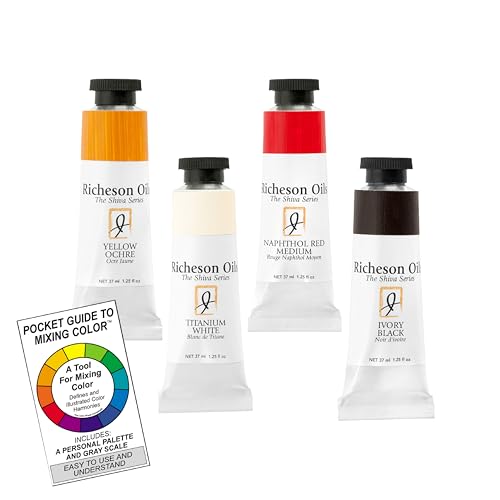
Fewer colors force you to mix accurately and see color relationships clearly. Reduces decision fatigue when painting under time pressure. These six colors can mix nearly any urban hue.
Professional-grade oil paints in a restricted palette: titanium white, cadmium yellow, cadmium red, ultramarine blue, burnt umber, and viridian green
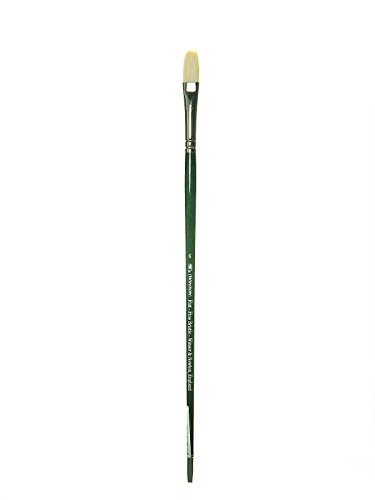
Flat brushes create architectural edges better than rounds. Hog bristle holds more paint and creates visible texture. Three sizes cover blocking-in to detail work without overpacking your kit.
Natural bristle brushes in flat shape, sizes 2, 6, and 10, designed for oil or acrylic paint
Mid-tone ground lets you work in both lights and darks immediately. White canvas makes you overestimate value contrasts. Grey gives you a realistic starting point for urban scenes with their mix of bright and shadowed areas.
Pre-primed canvas boards in mid-tone grey (18% grey value), 9x12 inch size, pack of 6-12
Keeps direct sun off your palette and canvas so you see true colors. Also blocks wind from knocking over your setup. Makes summer afternoon sessions actually tolerable.
Adjustable clamp that attaches small umbrella to easel or pochade box for shade
As an Amazon Associate, IRL Sidequests earns from qualifying purchases at no extra cost to you.
Prices and availability are subject to change. The price shown at checkout on Amazon at the time of purchase will apply.
Hand-selected quests our team thinks you'll love

Wake up with the birds and see your neighborhood through new eyes.

The best way to learn creative skills? Make bad art until it gets good.

Your hands built the first bowls 20,000 years ago. They still can.