Turn that story you keep telling your friends into 5 minutes of stage time.
Craft and perform a personal story at an open mic night, using basic stage techniques to hold an audience's attention for 5 minutes.
Open mic storytelling nights happen in coffee shops, bookstores, and bars every week. You'll mine your own experience for a 5-minute story, structure it with a clear arc, and deliver it to a room of strangers who actually want to hear what you have to say. The format is forgiving—most venues welcome first-timers, and audiences are primed to be supportive. You'll feel the adrenaline spike when the host calls your name, the room goes quiet, and you realize you've got them hooked by sentence three. The best stories aren't about dramatic life events. They're about the weird, specific moments that reveal something true: the time you accidentally joined a cult meeting, the neighbor's cat that changed your morning routine, the family recipe you ruined so badly it became a tradition. You'll learn to cut everything that doesn't serve the core moment, memorize the shape of your story without scripting every word, and use pauses to let reactions land. By the time you step off that stage, you'll have a new skill and proof that your voice matters in a room.
Find an open mic storytelling night in your area—search for 'storytelling open mic', 'Moth StorySLAM', or 'personal narrative night'. Most cities have at least one monthly event. Sign up online or arrive early to claim a spot.
Choose one specific moment from your life that still makes you feel something—anger, joy, confusion, relief. Not a life summary, not a topic. A single scene with a beginning, middle, and end that fits in 5 minutes (roughly 750 words spoken).
Write out the story longhand or type it out. Start with the action or dialogue, not backstory. Include sensory details: what you saw, heard, smelled. Identify the moment of change—when you realized something, decided something, or felt something shift.
Read it aloud with a timer. Cut anything that doesn't move the story forward. If you're over 5 minutes, trim descriptions and compress time. If you're under, add specific details that make the scene vivid.
Memorize the shape, not the words. Know your opening line cold, know your closing line, and know the 3-5 beats that get you from start to finish. Practice out loud at least 5 times—in the shower, on a walk, in front of a mirror.
On performance night, arrive 20 minutes early. Put your name on the list, order a drink to settle your hands, and listen to the first few storytellers. Notice how they use pauses, how they make eye contact, how they recover from stumbles.
When they call your name, walk to the stage or designated spot. Take a breath. Make eye contact with one friendly face in the audience. Start with your opening line. If you forget a section, summarize it in a sentence and keep moving—no one knows what you cut.
After you perform, stay for at least three more stories. Audiences notice who supports the room. You'll also pick up techniques from other storytellers that you can use next time.
Get everything you need to make this quest amazing.
Lets you hear yourself as the audience will—you'll catch repetitive phrases, rushed sections, and places where your voice trails off. Most built-in phone apps work, but a dedicated recorder with better audio quality helps you notice vocal clarity issues.
A device to record your practice sessions so you can hear pacing, filler words, and energy drops
You won't bring these on stage, but writing each beat on a separate card helps you shuffle and reorder the structure. It's easier to rearrange cards than rewrite paragraphs.
3x5 ruled index cards to jot down the 3-5 key moments of your story
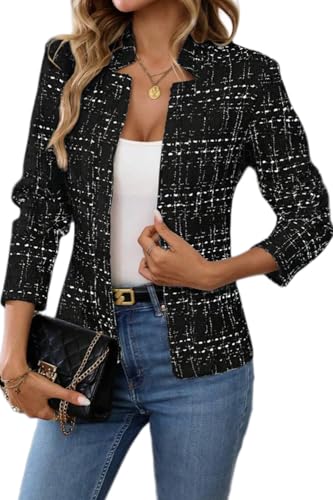
Stage lights wash out colors and flatten textures. One standout piece helps you feel visible and intentional. It's also a ritual marker: you put it on, you're in performance mode.
One clothing item that makes you feel confident under stage lights—bright blazer, bold necklace, patterned shirt
As an Amazon Associate, IRL Sidequests earns from qualifying purchases at no extra cost to you.
Prices and availability are subject to change. The price shown at checkout on Amazon at the time of purchase will apply.
Hand-selected quests our team thinks you'll love

Wake up with the birds and see your neighborhood through new eyes.

The best way to learn creative skills? Make bad art until it gets good.

Your hands built the first bowls 20,000 years ago. They still can.