
Open Mic Stage Confidence Builder
That stage fright won't beat itself—time to face the spotlight.
About This Quest
Develop genuine stage presence and performance confidence through structured open mic progression, from first-timer jitters to commanding attention.
Open mic nights strip away the polish and force you to connect with real people in real time. You'll bomb. Everyone does at first. The mic feels heavy, the lights blind you, and your voice sounds wrong in the speakers. But stick with it—by your third set, you'll notice you're breathing normally. By your fifth, you're scanning the room instead of staring at your notes. By your tenth, that nervous energy transforms into stage presence. This quest builds performance fundamentals through structured open mic progression. You'll learn microphone technique (proximity effect is real—six inches away or you'll sound thin), vocal projection without screaming, how to recover from dead air, and reading room energy. The best performers arrive an hour early to watch the sound check, note where the hot spot is on stage, and observe which corner of the room responds first. They know the bartender's name and understand that open mic regulars become your first real audience. Start at poetry slams or storytelling nights if stand-up feels too intimidating. Music open mics have different energy—less heckling, more phone scrolling. Comedy mics teach you to handle silence like a professional. Mix your venues. Track what works and what dies. Record yourself (audio only—watching yourself on video comes later). The goal isn't perfection; it's becoming comfortable being uncomfortable under stage lights.
Why This Quest Matters
By your third set you'll breathe normally under the lights. By your fifth, you'll scan the room instead of staring at notes. By your tenth, that nervous energy becomes stage presence—you'll know how to read a room, recover from dead air, and connect with real people in real time.
What You'll Experience
- Microphone technique and vocal projection without screaming
- How to recover from forgotten lines and dead air
- Reading room energy and audience response patterns
- Stage presence fundamentals through controlled repetition
- Comfort being uncomfortable under spotlight
What You'll Need
Top gear to make this quest great.
Pull it off
Portable Voice Recorder
Captures clean audio from audience perspective to review pacing, volume, and filler words without video's self-consciousness trap
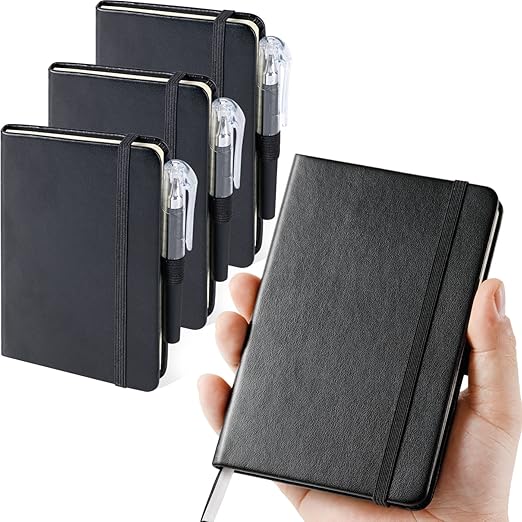
Holds set lists and cue cards that won't shake visibly under stage lights, with space for post-show notes
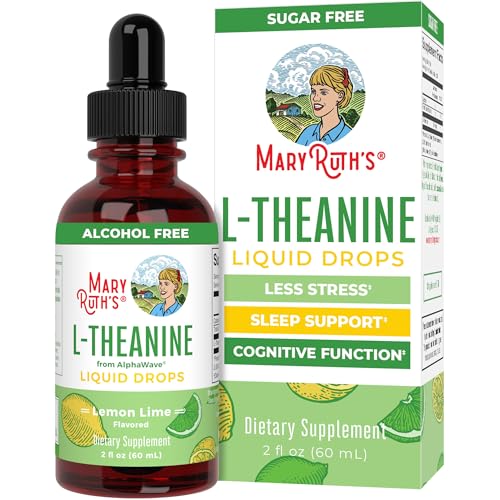
Takes the edge off adrenaline spikes without dulling presence—many performers use beta-blockers, but natural options work for beginners
As an Amazon Associate I earn from qualifying purchases. Prices may change.
Step-by-Step Guide
Scout three different venues
Visit one poetry/storytelling, one music, and one comedy open mic as an audience member. Note the sign-up process, stage setup, typical crowd size, and when performers lose versus command the room. Pay attention to acoustics from different spots.
💡 Pro Tips:
- • Arrive early enough to watch the full show and observe performer patterns
- • Introduce yourself to the host—they'll remember friendly faces when you perform
Prepare 3-5 minutes of material
Choose poetry, story, song, comedy, or spoken word that feels authentic to you. Write it fully, then reduce to bullet points. Memorize opening and closing lines cold, and time yourself at performance pace—20% slower than practice feels right on stage.
Sign up and arrive early
Book your first slot and show up 30 minutes before showtime. Introduce yourself to the host and at least two other performers. Watch the first acts from different room positions to understand acoustics and sightlines.
💡 Pro Tips:
- • Stand near the stage before your turn to feel the floor and check mic stand height
- • Identify one friendly face in the audience to make eye contact with
Perform your set without apologizing
Walk confidently when called, adjust the mic to mouth level, and start. If you forget a line, pause and breathe—three seconds feels like thirty to you but reads as dramatic timing. If something bombs, acknowledge it and move forward without explaining.
💡 Pro Tips:
- • Keep the mic six inches from your mouth or you'll sound thin
- • That nervous energy is normal—it transforms into stage presence with repetition
Stay and study other performers
Thank the host and audience after finishing, then return to your seat for the rest of the show. Leaving immediately marks you as self-centered. Note what works for others and record one specific technique to try next time.
Journal and book your next slot
Within 24 hours, write down three things: what felt good, what felt terrible, and one concrete adjustment for next time. Book your next open mic within two weeks while muscle memory is fresh—progression requires repetition, not perfection.
Gear Up for Your Quest
The gear that makes this quest work.
Pull it off

Portable Voice Recorder
Captures clean audio from audience perspective to review pacing, volume, and filler words without video's self-consciousness trap
+ complete the kit — 2 more

Stage Performance Notebook
RecommendedHolds set lists and cue cards that won't shake visibly under stage lights, with space for post-show notes
Pocket-sized notebook with thick paper that won't show hand tremors
Get on Amazon · $8.98 — Stage Performance Notebookdetails & deals →
Takes the edge off adrenaline spikes without dulling presence—many performers use beta-blockers, but natural options work for beginners
L-theanine or magnesium supplements taken 30-60 minutes before performing
Get on Amazon · $21.95 — Performance Anxiety Supplement Packdetails & deals →RELATED GEAR GUIDE
Phone Photography Kit: 9 Picks for Better Shots
Field-tested picks · Creative Arts
As an Amazon Associate, IRL Sidequests earns from qualifying purchases at no extra cost to you.
Prices and availability are subject to change. The price shown at checkout on Amazon at the time of purchase will apply.
Editor's Picks
Hand-selected quests our team thinks you'll love

Dawn Patrol: Your First Bird Watching Adventure
Wake up with the birds and see your neighborhood through new eyes.

Creative Skills Quest Hub: Learn By Doing
The best way to learn creative skills? Make bad art until it gets good.

Hand-Built Ceramic Bowl Workshop
Your hands built the first bowls 20,000 years ago. They still can.