
Real Life Social Quests: Community Connection Activities
Your neighborhood has 47 people within two blocks you've never spoken to—let's change that.
About This Quest
Face-to-face connection activities that transform strangers into neighbors. Practical social quests for building genuine community ties in your actual neighborhood.
Most people can't name five neighbors. You walk past the same faces at the corner store, the dog park, the bus stop—but nobody makes eye contact. Your phone buzzes with 847 online connections while the person two doors down waters their garden alone every evening. This isn't about forced small talk or awkward introductions. These social quests create natural collision points where real conversations happen: setting up a free library box, organizing a block-wide yard sale, starting a tool-sharing system, or just bringing cookies to three neighbors you've never met. The best community connections don't happen at scheduled networking events. They happen when you're troubleshooting a shared compost bin, trading gardening tips over a fence, or helping someone carry groceries. You'll learn which neighbor knows how to fix bicycles, who makes incredible tamales, and where the best morning coffee conversations happen. Some quests take 30 minutes (leave encouraging sidewalk chalk messages), others become weekly rituals (Friday evening porch hangs). Start with whatever feels least terrifying. These aren't Instagram-worthy community service projects. They're small, practical actions that make your immediate surroundings more connected. You won't transform your entire neighborhood overnight, but you'll know the name of the person who feeds the stray cats, have someone to text when you're locked out, and maybe—just maybe—feel less alone when you walk to your mailbox. The goal isn't collecting acquaintances. It's building the kind of community where people actually notice if you haven't been seen in a few days.
Why This Quest Matters
You won't transform your entire neighborhood overnight, but you'll know who feeds the stray cats, have someone to text when you're locked out, and feel less alone walking to your mailbox. These small, practical actions build the kind of community where people actually notice if you haven't been seen in a few days. The goal isn't collecting acquaintances—it's knowing which neighbor makes incredible tamales and who knows how to fix bicycles.
What You'll Experience
- Which neighbors have useful skills (plumbing, baking, bike repair) and when to call them
- How to create natural collision points where real conversations happen without forced small talk
- The 'weekly regular' strategy for building recognition and trust through consistent presence
- How to identify who's interested in reciprocal community versus just pleasant nods
- Where morning coffee conversations and evening porch hangs naturally occur in your radius
What You'll Need
Top gear to make this quest great.
Pull it off
Portable Bluetooth Speaker
Turns awkward silent meetups into naturally social environments. Background music at gatherings reduces social pressure and fills conversation gaps. Essential for park hangs, porch sessions, and pop-up events where ambient sound creates welcoming atmosphere.
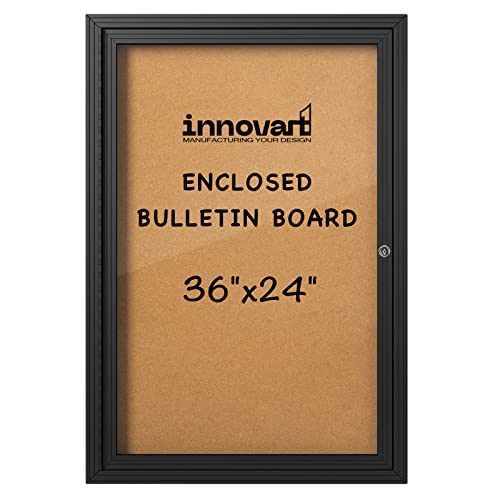
Creates a permanent neighborhood communication hub that works 24/7. Residents post lost pet notices, event flyers, free item offers, and local news without digital barriers. Acts as analog social infrastructure that particularly serves elderly neighbors and those without smartphones.

For indirect connection quests—leave encouraging messages, draw community art, mark temporary game zones (hopscotch, four square). Low-stakes way to add personality to shared spaces. Kids always respond, which starts parent conversations. Professional-grade chalk is visible from car windows, unlike dollar store versions.
As an Amazon Associate I earn from qualifying purchases. Prices may change.
Step-by-Step Guide
Pick your entry point
Choose one starter based on your comfort level: indirect connection (Little Free Library, bulletin board, sidewalk chalk) if social anxiety is high; structured interactions (yard sale, tool library) if moderately comfortable; or direct contact (cookie delivery, neighbor survey) if you're ready to knock on doors. Walk a 3-block radius and note gathering spots, who's outside regularly, and what's missing.
💡 Pro Tips:
- • Dog walkers, gardeners, and parents with strollers keep predictable schedules—they're your easiest first contacts
- • Map patterns instead of memorizing faces; you're looking for where natural collisions already happen
Do the Three Cookie Delivery
Within 48 hours, bake or buy a dozen cookies and knock on three doors—ideally neighbors you've waved at but never spoken to. Your script: 'Hi, I'm [name] from [address]. Made too many cookies. Want some?' Don't linger, don't force conversation. You're creating the first data point.
💡 Pro Tips:
- • Pick neighbors with visible signs of life (garden, decorations, regular car movement) to avoid awkward no-answers
Build infrastructure that works while you sleep
Set up one physical connection tool: Little Free Library (stock it weekly), 'Take What You Need' box for produce/books, neighborhood WhatsApp/Signal group (parking alerts and lost pets only), weatherproof bulletin board in high-traffic spot, or a 'compliment wall' for chalk messages. This creates collision points without requiring your presence.
💡 Pro Tips:
- • Mount bulletin boards where people already wait—bus stops, building entrances, laundromat walls
- • Stock your Little Free Library with practical books (cookbooks, repair guides) not just novels—people actually take those
Become a weekly regular somewhere
Show up at the same place, same time, every week for 8 weeks: morning bench coffee at 7am, dog park at 4pm, Saturday farmer's market at 9am, or evening walk loop at sunset. Don't force interaction—just be consistently present. By week 5, people recognize you. By week 8, conversations start naturally.
💡 Pro Tips:
- • Bring something visible and shareable (extra coffee, dog treats, a interesting book cover) to give people an easy conversation opener
Launch a gathering with built-in structure
Host something with clear start/end times and defined purpose: Sidewalk Plant Swap (Saturday 10am-noon, bring extras), Tool Library (first Sunday monthly), Porch Hangs (Friday 6-8pm, BYOB), or Potluck Picnic (one item, no RSVPs). Structure removes social pressure—people can drift in and out without commitment.
💡 Pro Tips:
- • Post it publicly (bulletin board, local Facebook) but expect only 2-3 people the first time—consistency matters more than attendance
Organize around a shared annoyance
Execute one collective action quest: group bulk order for better pricing, coordinate trash day reminders, quarterly clothing swap, shared garden plot, or pool money for neighborhood pressure washer rental. Solving small problems together builds trust faster than any social event. Then do the 'appreciation loop'—deliver 3 monthly handwritten thank-you notes to neighbors for specific things ('Your garden makes my walks better,' 'Thanks for bringing in my trash cans').
💡 Pro Tips:
- • Keep a simple notebook with each neighbor's name, address, key skills (fixes bikes, bakes, has tools), and last interaction date—not creepy, just practical for when your sink breaks at 9pm
- • Use the 'expansion introduction' to grow your network exponentially: ask neighbor A 'Who else on this block should I know?' and introduce people with shared interests
Gear Up for Your Quest
The gear that makes this quest work.
Pull it off

Portable Bluetooth Speaker
Turns awkward silent meetups into naturally social environments. Background music at gatherings reduces social pressure and fills conversation gaps. Essential for park hangs, porch sessions, and pop-up events where ambient sound creates welcoming atmosphere.
+ complete the kit — 3 more

Heavy-Duty Outdoor Bulletin Board Kit
RecommendedCreates a permanent neighborhood communication hub that works 24/7. Residents post lost pet notices, event flyers, free item offers, and local news without digital barriers. Acts as analog social infrastructure that particularly serves elderly neighbors and those without smartphones.
Weatherproof cork or acrylic board with protective cover and mounting hardware
Get on Amazon · $129.99 — Heavy-Duty Outdoor Bulletin Board Kitdetails & deals →
For indirect connection quests—leave encouraging messages, draw community art, mark temporary game zones (hopscotch, four square). Low-stakes way to add personality to shared spaces. Kids always respond, which starts parent conversations. Professional-grade chalk is visible from car windows, unlike dollar store versions.
Large diameter, high-pigment chalk that lasts through light rain
Get on Amazon · $19.99 — Commercial-Grade Sidewalk Chalk Setdetails & deals →
Badge Holder Name Tag Kit
OptionalEliminates the 'I've seen you 100 times but don't know your name' problem. For gatherings over 8 people, name tags remove massive social friction. Use first name + house number (Sarah #47) so people can follow up later. Sounds dorky, works consistently.
Reusable clip-on name tags for group events
Get on Amazon · $11.99 — Badge Holder Name Tag Kitdetails & deals →RELATED GEAR GUIDE
9 Pieces of Gear for a Home Cocktail Kit That Works
Field-tested picks · Social & Community
As an Amazon Associate, IRL Sidequests earns from qualifying purchases at no extra cost to you.
Prices and availability are subject to change. The price shown at checkout on Amazon at the time of purchase will apply.
Editor's Picks
Hand-selected quests our team thinks you'll love

Guerrilla Gardening: Plant Beauty Where It's Not Expected
That cracked sidewalk planter doesn't need to stay dead—fill it with wildflowers at 2AM and watch neighbors smile for months.

Backyard Conversation Workshop
Your backyard becomes the training ground where awkward silences turn into confident conversations.

Community Kitchen & Culinary Connection Hub
The best recipes get passed hand-to-hand, not screen-to-screen.
Not this one?
Get a different side quest in 30 seconds
Tell the generator how much time you have, who you're with, and your mood — it picks from 500+ quests like this one.
Try the real life side quest generator