
Start a Neighborhood Challenge Exchange
Turn your block into a living game board where everyone's got a quest to share.
About This Quest
Create a grassroots challenge exchange system in your neighborhood where residents swap and complete real-world micro-missions together.
The coffee shop on Third Street hosts an unusual Tuesday morning gathering. Neighbors huddle around a corkboard covered in index cards, each one a micro-challenge someone's designed: "Find the oldest tree in Riverside Park and sketch it," "Learn to say 'good morning' in five languages from local business owners," "Photograph three examples of art deco architecture within six blocks." By 9 AM, people are pairing up, swapping cards, making plans. This is challenge exchange culture—a grassroots movement where communities create collaborative quest ecosystems. Unlike digital platforms, these operate on trust, physical artifacts, and face-to-face accountability. You design challenges for others, complete challenges from neighbors, and meet monthly to share stories. The format turns passive neighbors into active co-creators of local adventure. The system runs on simple mechanics: physical challenge cards (business card size works), designated exchange locations, monthly swap meets, and a shared completion wall. Some neighborhoods use bulletin boards at coffee shops, others coordinate through community centers or local shops willing to host. The magic happens when the postal worker creates a challenge that the high school teacher completes, who then designs one for the retiree, creating webs of connection across demographic lines that rarely intersect otherwise.
Why This Quest Matters
You'll watch strangers become collaborators, each person simultaneously quest designer and adventurer. The postal worker creates a challenge the teacher completes, who designs one for the retiree—connection webs form across demographic lines that rarely intersect. Within months, your neighborhood transforms into a living game board where everyday errands become potential adventures.
What You'll Experience
- How to design micro-challenges that work for diverse skill levels and schedules
- Community organizing mechanics that run on trust and physical artifacts rather than apps
- The art of hosting recurring meetups that stay energized without becoming obligations
- How visible completion evidence creates participation momentum
- Strategies for scaling grassroots systems when they outgrow their original structure
What You'll Need
Top gear to make this quest great.
Pull it off
Cork Board Bulletin System
Creates the physical hub where challenges live and circulate—essential for the tactile, analog nature of the exchange that differentiates it from digital platforms
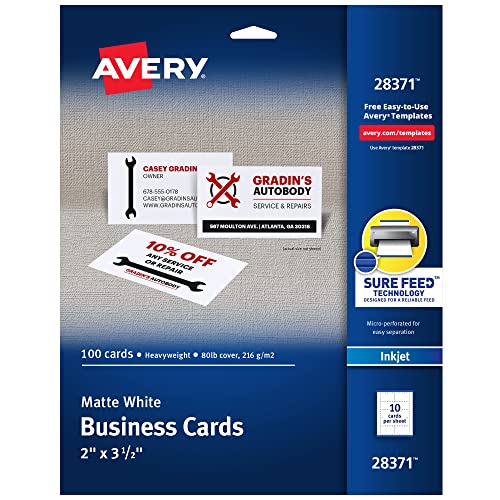
Provides the perfect format for challenge cards—pocket-sized, durable enough for outdoor missions, and professional-looking enough that people take them seriously
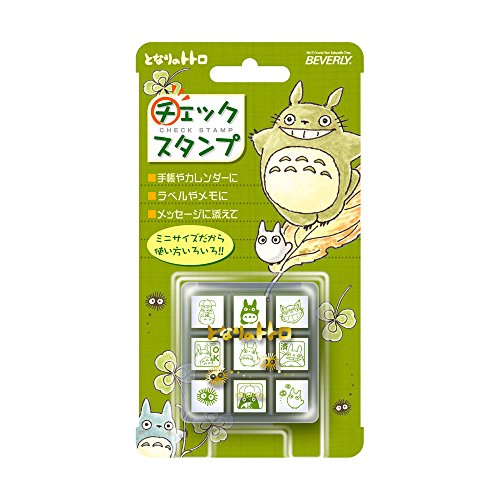
Lets people quickly identify challenge categories at a glance and adds handcrafted character to cards that makes them feel more personal than printed templates
As an Amazon Associate I earn from qualifying purchases. Prices may change.
Step-by-Step Guide
Find your challenge board home
Visit 2-3 coffee shops, libraries, or bookstores during busy hours to gauge community energy. Ask owners if they'll host a bulletin board that brings regular foot traffic—most agree once they understand the concept. Look for spots where people naturally linger.
💡 Pro Tips:
- • Independent businesses say yes more often than chains
- • Peak hours reveal whether the space attracts diverse age groups
Create your starter challenge deck
Design 10-15 challenge cards on 3x5 index cards or business card stock. Mix observation missions ("Count languages heard at the farmer's market"), creative tasks ("Leave chalk art that makes someone smile"), connection quests ("Interview a 20+ year resident"), and discovery challenges ("Find the most interesting door"). Variety matters—you're setting the tone.
💡 Pro Tips:
- • Make at least three challenges completable in under 30 minutes
- • Test one yourself before launch to debug instructions
Install the three-section exchange system
Mount a small corkboard at your host location with clearly labeled sections: "Available Challenges," "In Progress," and "Completed Stories." Add a welcome card explaining how it works, your contact info, and basic rules. Include a box with blank cards and pens for spontaneous submissions.
💡 Pro Tips:
- • Laminate your welcome card so it survives coffee spills
Host a 90-minute launch meetup
Invite neighbors through Facebook groups and flyers at the location. Arrive with evidence of completing one challenge yourself—show what participation looks like. Have everyone take at least one challenge card and commit to creating one new challenge before the next gathering. Keep it casual and interactive.
Lock in your monthly rhythm
Choose a recurring time slot—first Saturday morning or Tuesday evening works for most. At each 90-minute meetup, share completion stories (5 minutes per person), swap new challenges, and discuss what's working. Some groups create themed months like "Architecture April" or "Hidden History May." Consistency builds momentum.
Document completions visibly
Create a shared photo album—physical binder at the host location or digital album with a neighborhood hashtag. Visible proof that challenges are getting completed motivates new participants. After three months with 15+ active members, consider adding a second location or doing inter-neighborhood challenge swaps.
💡 Pro Tips:
- • Physical binders at the coffee shop outperform digital-only tracking for walk-in engagement
Gear Up for Your Quest
The gear that makes this quest work.
Pull it off

Cork Board Bulletin System
Creates the physical hub where challenges live and circulate—essential for the tactile, analog nature of the exchange that differentiates it from digital platforms
+ complete the kit — 3 more

Provides the perfect format for challenge cards—pocket-sized, durable enough for outdoor missions, and professional-looking enough that people take them seriously
500 blank business card stock with divided storage box for organizing available, in-progress, and completed challenges
Get on Amazon · $5.54 — Business Card Blanks with Storage Boxdetails & deals →
Stamp Set with Challenge Icons
RecommendedLets people quickly identify challenge categories at a glance and adds handcrafted character to cards that makes them feel more personal than printed templates
Mini rubber stamp set with symbols for different challenge types (camera for photo missions, speech bubble for social quests, magnifying glass for discovery)
Get on Amazon · $12.80 — Stamp Set with Challenge Iconsdetails & deals →
3-Ring Binder Photo Album
RecommendedCreates a shared legacy artifact that motivates participation—people love seeing their completed challenge documented alongside others' adventures
Clear sleeve photo album for displaying challenge completion evidence and stories
Get on Amazon · $6.99 — 3-Ring Binder Photo Albumdetails & deals →RELATED GEAR GUIDE
9 Pieces of Gear for a Home Cocktail Kit That Works
Field-tested picks · Social & Community
As an Amazon Associate, IRL Sidequests earns from qualifying purchases at no extra cost to you.
Prices and availability are subject to change. The price shown at checkout on Amazon at the time of purchase will apply.
Editor's Picks
Hand-selected quests our team thinks you'll love

Guerrilla Gardening: Plant Beauty Where It's Not Expected
That cracked sidewalk planter doesn't need to stay dead—fill it with wildflowers at 2AM and watch neighbors smile for months.

Backyard Conversation Workshop
Your backyard becomes the training ground where awkward silences turn into confident conversations.

Community Kitchen & Culinary Connection Hub
The best recipes get passed hand-to-hand, not screen-to-screen.
Not this one?
Get a different side quest in 30 seconds
Tell the generator how much time you have, who you're with, and your mood — it picks from 500+ quests like this one.
Try the real life side quest generator