Walnut shells and rust can produce ink darker than anything you'll buy in a store.
Transform foraged plants, kitchen scraps, and minerals into rich, archival-quality inks using traditional extraction methods.
Making ink from scratch connects you to centuries of craft tradition. You're not just mixing pigments—you're extracting tannins from walnut hulls, oxidizing iron nails in vinegar, or crushing oak galls to release their chemical compounds. The process smells earthy, sometimes metallic, and the color transformations happen slowly, like watching rust form in fast-forward. Black walnut ink starts pale brown and deepens to near-black over 48 hours. Iron gall ink writes gray and turns black as it oxidizes on paper. The chemistry is forgiving but requires patience. You'll simmer plant material for an hour, strain out solids, then reduce the liquid until it's concentrated enough to write with. Gum arabic acts as a binder, keeping pigment suspended and helping it adhere to paper. Your first batch might be too thin or separate over time—that's normal. By the third attempt, you'll know the right consistency by sight and can adjust ratios instinctively. These inks work beautifully for calligraphy, watercolor washes, or pen-and-ink drawings. They're lightfast if stored properly and develop character as they age. Some medieval manuscripts still show crisp iron gall ink 800 years later. You're creating archival-quality materials from materials people throw away.
Top gear to make this quest great.
Keeps pigment suspended in solution and helps ink adhere to paper without feathering or separating over time
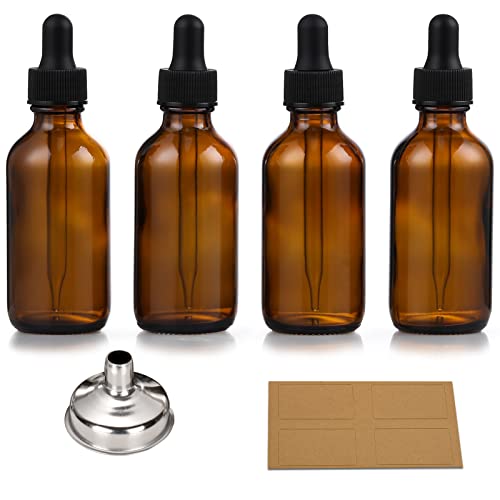
Protects light-sensitive natural inks from degradation and provides precise dispensing for consistent results
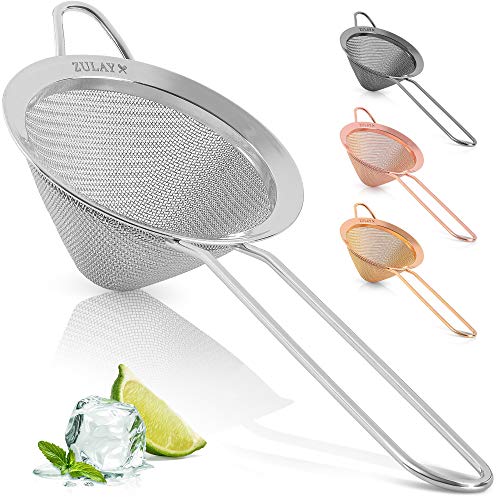
Removes plant particles and sediment for smooth, clog-free ink that won't damage pen nibs or brushes
As an Amazon Associate I earn from qualifying purchases. Prices may change.
Gather raw materials: collect black walnut hulls (fallen in autumn), oak galls (round growths on oak branches), or onion skins. For iron gall ink, soak rusty iron nails in white vinegar for 2 weeks in a glass jar until the liquid turns orange-brown.
Prepare walnut ink: Fill a pot halfway with crushed walnut hulls, cover with water, and simmer for 60-90 minutes. The water should turn deep brown. Strain through cheesecloth and discard solids. Return liquid to pot and simmer uncovered until reduced by half—it should coat a spoon.
Make iron gall ink: Crush 10-12 oak galls (or 2 tablespoons of powder) in a mortar. Steep in 1 cup hot water for 48 hours, stirring occasionally. Strain. Mix 3 parts oak gall tea with 1 part iron-vinegar solution. The liquid turns black immediately. Filter through coffee filter.
Add binder: For every cup of ink, dissolve 1 teaspoon gum arabic powder in 2 tablespoons warm water. Stir slowly into the ink. This prevents separation and helps ink adhere to paper. For berry inks, add 3-4 drops of clove oil as preservative.
Test and adjust: Dip a bamboo pen or brush and test on paper. If ink beads up, add more gum arabic. If too thick, add distilled water drop by drop. Iron gall ink should write gray and darken to black within minutes as it oxidizes.
Age and bottle: Store in amber glass bottles. Walnut and iron gall inks improve over 1-2 weeks as compounds stabilize. Label with date and type. Shake before each use. Inks last 6-12 months refrigerated.
Get everything you need to make this quest amazing.
Keeps pigment suspended in solution and helps ink adhere to paper without feathering or separating over time
Natural binder derived from acacia tree sap
Get on Amazon · $12Protects light-sensitive natural inks from degradation and provides precise dispensing for consistent results
4oz UV-protective glass bottles
Get on Amazon · $14Removes plant particles and sediment for smooth, clog-free ink that won't damage pen nibs or brushes
Multi-layer stainless steel strainers (40-100 micron)
Get on Amazon · $16Ensures ink pH is near-neutral (6-7) for archival quality—acidic inks degrade paper over decades
0-14 range litmus paper strips
Get on Amazon · $8As an Amazon Associate, IRL Sidequests earns from qualifying purchases at no extra cost to you.
Prices and availability are subject to change. The price shown at checkout on Amazon at the time of purchase will apply.
Hand-selected quests our team thinks you'll love

Wake up with the birds and see your neighborhood through new eyes.

Your city block has more wild stories than you think—time to capture them frame by frame.

Turn your city into a game board—design quests that make strangers into explorers.