Natural Dye Printing Workshop - Creative Arts quest for Intermediate level adventurers

Natural Dye Printing Workshop

Your vegetable scraps contain better pigments than most art stores.

Share:
4 supplies needed· Estimated total: $30 - $60
View supplies

About This Quest

Turn kitchen scraps into vibrant fabric dyes. Learn avocado pit pink, onion skin rust, and turmeric gold—zero synthetic chemicals.

Natural dyeing isn't some rustic throwback—it's chemistry you can see happening in real time. That avocado pit you tossed last week? It makes a dusty rose pink that doesn't fade. Onion skins pulled from your compost bin create burnt orange and rust tones that vary based on water pH. Turmeric from your spice rack turns fabric electric yellow, though it'll shift to mustard in sunlight over months. The process requires patience but minimal equipment. You're essentially coaxing plant molecules to bond with fabric fibers through heat and a mordant (a metal salt that acts as a chemical bridge). Alum works for most projects and won't irritate skin like some traditional mordants. The colors develop slowly—you'll see pale yellows intensify to gold, watch pinks emerge from brown water. Each dye bath behaves differently depending on your tap water's mineral content, which means your results will be geographically unique. This isn't about perfection. Commercial dyes deliver consistency; natural dyes deliver variation. You're looking for organic streaks, uneven saturation, and accidental patterns where fabric bunched in the pot. The imperfections are the point. Once you've mastered the basics with these three starter dyes, you can experiment with black beans (blue-gray), red cabbage (purple to blue), and black walnut hulls (deep brown). Save your scraps, simmer them down, and see what sticks.

Duration
3-4 hours
Estimated Cost
$30 - $60
Location
Indoor
Season
Year-round
Family Friendly
All ages welcome

What You'll Need

Top gear to make this quest great.

Alum Powder (Potassium Aluminum Sulfate)Popular

Without mordant, natural dyes rinse out after the first wash—alum creates a chemical bridge so colors stay put through laundering

$12
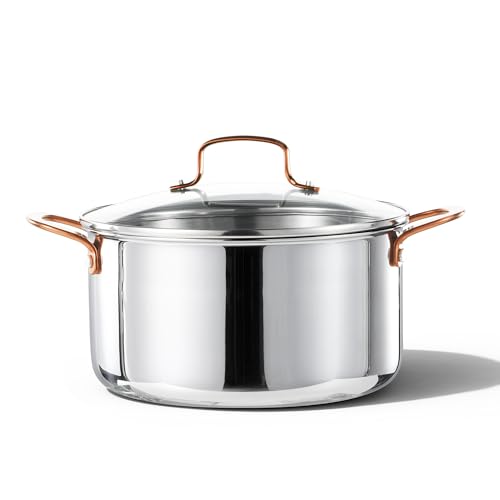
Large Stainless Steel Dye Pot

Stainless won't react with dyes or mordants like aluminum can—plus you'll want a pot you don't use for food since turmeric permanently stains

$35
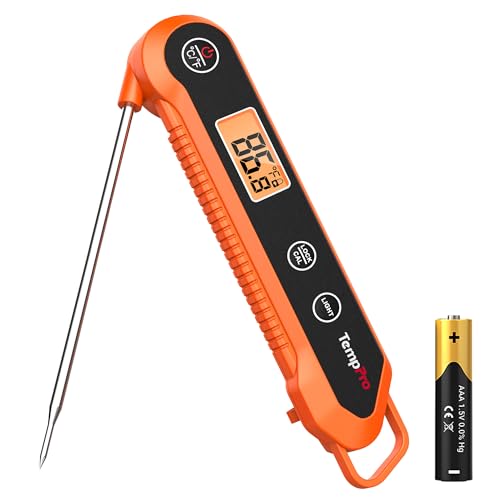
Instant-Read Thermometer

Keeping baths at 180°F (not boiling) extracts better color and prevents fabric damage—guessing leads to weak dyes or scorched material

$15
View all 4 supplies

As an Amazon Associate I earn from qualifying purchases. Prices may change.

Step-by-Step Guide

1

Prep your fabric: Pre-wash cotton or linen scraps without fabric softener. Natural fibers only—synthetics won't take the dye. Cut into napkin-sized squares or leave as old t-shirts.

2

Mordant the fabric: Dissolve 4 tablespoons alum powder in a large pot of warm water. Add damp fabric, bring to a simmer (not a rolling boil), and hold at 180°F for 1 hour. This opens the fibers. Let cool in the pot, then wring out and set aside.

3

Prepare avocado pit dye: Collect 8-10 pits, rinse them, and simmer in 8 cups water for 2 hours. The water turns rust-brown but will dye fabric pink. Strain out the pits. Add mordanted fabric to the warm dye bath and simmer 1 hour. The pink develops as it cools.

4

Make onion skin dye: Pack a pot with yellow or red onion skins (save them over weeks in a bag in your freezer). Cover with water, simmer 1 hour until the water is deep amber. Strain. Add fabric and simmer 45 minutes for orange tones, or let sit overnight for deeper rust.

5

Try turmeric dye: Mix 3 tablespoons ground turmeric with 6 cups water. Simmer fabric in this bath for 30 minutes for bright yellow. Be warned—turmeric stains counters and fingernails. Wear gloves and use a dedicated pot if possible.

6

Rinse and dry: After dyeing, let fabric cool completely in the bath for maximum color uptake. Rinse in cool water until it runs clear, then hang dry away from direct sun. Colors deepen slightly as they dry. Heat-set by ironing on high or tumble drying once fully dry.

7

Experiment with patterns: Tie fabric with rubber bands or string before dyeing for resist patterns. Clamp fabric between wood blocks for geometric shapes. Fold and clip with binder clips for angular lines. The dye won't penetrate tightly bound areas, leaving white or pale sections.

Gear Up for Your Quest

Get everything you need to make this quest amazing.

Alum Powder (Potassium Aluminum Sulfate)

Alum Powder (Potassium Aluminum Sulfate)

EssentialPopular
$12

Without mordant, natural dyes rinse out after the first wash—alum creates a chemical bridge so colors stay put through laundering

Food-grade mordant powder that bonds natural dyes to fabric fibers permanently

Get on Amazon · $12

Large Stainless Steel Dye Pot

Large Stainless Steel Dye Pot

Essential
$35

Stainless won't react with dyes or mordants like aluminum can—plus you'll want a pot you don't use for food since turmeric permanently stains

Dedicated 5+ quart stainless steel pot for simmering dye baths

Get on Amazon · $35

Instant-Read Thermometer

Instant-Read Thermometer

Recommended
$15

Keeping baths at 180°F (not boiling) extracts better color and prevents fabric damage—guessing leads to weak dyes or scorched material

Digital thermometer for monitoring dye bath temperature without guessing

Get on Amazon · $15

Fine Mesh Strainer Bag

Fine Mesh Strainer Bag

Recommended
$8

Keeps onion skins and avocado pits contained so you're not fishing bits out of fabric—makes cleanup instant and prevents staining from direct contact

Reusable nylon mesh bag for containing plant material while dyeing

Get on Amazon · $8

As an Amazon Associate, IRL Sidequests earns from qualifying purchases at no extra cost to you.

Prices and availability are subject to change. The price shown at checkout on Amazon at the time of purchase will apply.