Stop watching art tutorials—start building calluses, color sense, and a body of work that proves you showed up.
Build a personal creative practice rotating through drawing, painting, sculpture, printmaking, and mixed media—learning fundamentals by making, not watching tutorials.
You learn art by making art—not by consuming content about making art. This quest builds a rotating studio practice where you cycle through five core disciplines: drawing, watercolor, sculpture, printmaking, and mixed media collage. Each week focuses on one medium, giving you enough repetition to move past the awkward beginner stage while staying fresh enough to avoid burnout. The structure is simple: 90-minute sessions where you set a timer, work until it rings, then document what happened. No perfect outcomes required. You're training your hands, eyes, and decision-making speed. By month three, you'll notice your line confidence improving across all media. By month six, you'll have a portfolio showing range and consistency—the two things that separate hobbyists from practitioners. The workspace matters. Clear a corner with good natural light or a daylight LED. Keep supplies visible in clear bins so setup takes two minutes, not twenty. The lower your activation energy, the more you'll actually do this. Track your sessions on a wall calendar with check marks—the visual streak becomes its own motivation when you hit week eight and don't want to break it.
Top gear to make this quest great.

Eliminates the yellow cast of standard bulbs that throws off color judgment. The adjustable arm lets you direct light exactly where you need it for detail work or eliminate shadows when photographing finished pieces.

Saves 10 minutes per session by keeping watercolors and acrylics fresh. The deep wells prevent color contamination when mixing. A game-changer for maintaining momentum across multiple weekly sessions.

Purpose-built tools make printmaking accessible. The assorted nibs let you carve fine details and broad clearing cuts without switching handles. Much safer and more controlled than improvising with craft knives.
As an Amazon Associate I earn from qualifying purchases. Prices may change.
Set up a dedicated creative workspace with proper lighting—north-facing window light or the Voncerus LED Desk Lamp set to 6500K cool light mode for color-accurate work. Clear a 3x3 foot work surface and organize supplies in the BiuLeon transparent plastic pencil boxes (9.0"L x 5.5"W x 2.56"H each), sorting by medium—one box holds 160+ pencils, another for markers, one for clay tools, and one for printmaking supplies.
Choose your five disciplines based on interest and available space. Recommended starter rotation: gesture drawing (Week 1), watercolor studies (Week 2), clay hand-building (Week 3), relief printmaking (Week 4), collage assemblage (Week 5). Repeat the cycle.
Schedule three 90-minute sessions weekly at consistent times. For painting sessions, use the Voncerus lamp's 2700K warm mode to reduce eye strain, or switch to 4500K warm white for balanced visibility. Set a visible timer—working against the clock trains decisiveness.
Week 1 (Drawing): Fill 3-5 pages with gesture drawings, contour lines, or value studies. Use cheap newsprint and work fast. Focus on observation, not perfection. End each session by photographing your work.
Week 2 (Watercolor): Complete 4-6 color studies on 140lb paper using the Mijello Airtight 18-Well Palette. Practice wet-on-wet, wet-on-dry, and glazing techniques in the 18 ergonomically slanted wells. Remove the clear tray to mix true colors that appear the same on both palette and paper. Let pieces dry flat on a wire rack.
Week 3 (Sculpture): Hand-build with air-dry clay or polymer clay. Focus on additive and subtractive techniques. Create 2-4 small forms (palm-sized). Texture experiments matter more than recognizable objects early on.
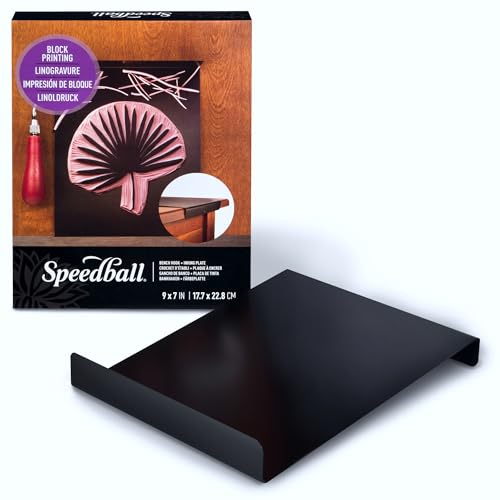
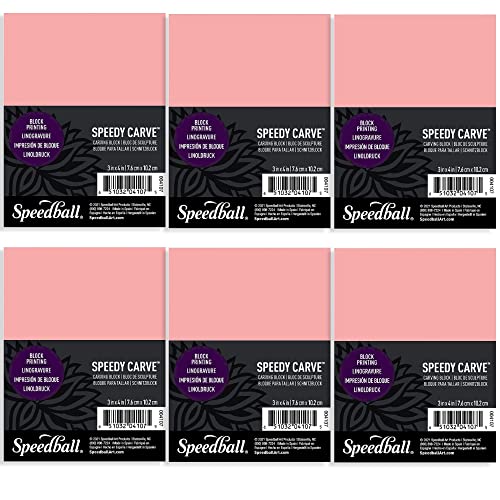
Week 4 (Printmaking): Carve simple relief blocks from linoleum using the Speedball 4131 Linoleum Cutter set—start with the #1 cutter for fine details and #5 or #6 for broader areas. Pull 8-10 prints per session using water-based block printing ink. Work in single colors first, then experiment with layered registration.
Week 5 (Mixed Media): Assemble 2-3 collages using found papers, painted backgrounds, and mark-making. Combine at least three materials per piece. Use Liquitex Professional Matte Medium (which is opaque when wet, translucent when dry) for adhesion and finish with a protective spray.
Document every session with dated photos before cleaning up. Store works flat in a portfolio box or hang a rotating gallery wall. Review your progress monthly—you'll see pattern recognition and motor skills developing faster than you expect.
After completing the five-week cycle twice (10 weeks total), identify your strongest and weakest disciplines. Double down on the weak one for the next cycle to balance your skill foundation.
Build a habit trigger: play the same background music, brew the same tea, or light a candle at session start. The ritual primes your brain for creative mode and makes consistent practice automatic.
Get everything you need to make this quest amazing.

Eliminates the yellow cast of standard bulbs that throws off color judgment. The adjustable arm lets you direct light exactly where you need it for detail work or eliminate shadows when photographing finished pieces.
Color-accurate lighting that mimics natural daylight, essential for evaluating color mixing and value relationships
Get on Amazon · $16.99
Saves 10 minutes per session by keeping watercolors and acrylics fresh. The deep wells prevent color contamination when mixing. A game-changer for maintaining momentum across multiple weekly sessions.
Ceramic or plastic palette with 20+ wells and sealing lid to keep paints workable between sessions
Get on Amazon · $13.44
Purpose-built tools make printmaking accessible. The assorted nibs let you carve fine details and broad clearing cuts without switching handles. Much safer and more controlled than improvising with craft knives.
Ergonomic handle with interchangeable V-shaped and U-shaped cutting blades for carving relief prints
Get on Amazon · $17.99
Cuts setup friction from 15 minutes to 2 minutes. When you can see your charcoal pencils and rubber brayers at a glance, you're more likely to start sessions on time. The visibility is the entire point—opaque bins kill momentum.
Transparent storage bins with removable dividers for sorting brushes, pencils, carving tools, and small materials by discipline
Get on Amazon · $13.99
One bottle handles three jobs: gluing collage papers, sealing finished surfaces, and extending paint. Dries clear and flexible. Essential for mixed media work but useless for the other four disciplines—only grab this if you commit to the collage week.
Acrylic polymer adhesive and sealant for collage work, also thins acrylics without losing adhesion
Get on Amazon · $16.97RELATED GEAR GUIDE
Phone Photography Kit: 9 Picks for Better Shots
Field-tested picks · Creative Arts
As an Amazon Associate, IRL Sidequests earns from qualifying purchases at no extra cost to you.
Prices and availability are subject to change. The price shown at checkout on Amazon at the time of purchase will apply.
Hand-selected quests our team thinks you'll love

Wake up with the birds and see your neighborhood through new eyes.

The best way to learn creative skills? Make bad art until it gets good.

Your hands built the first bowls 20,000 years ago. They still can.