Modern Treasure Hunt: Master Geocaching
There are thousands of hidden containers within walking distance of you right now—and you have the tools to find them.
About This Quest
Learn real-world GPS treasure hunting using the geocaching network. Find hidden containers, log discoveries, and explore your area differently.
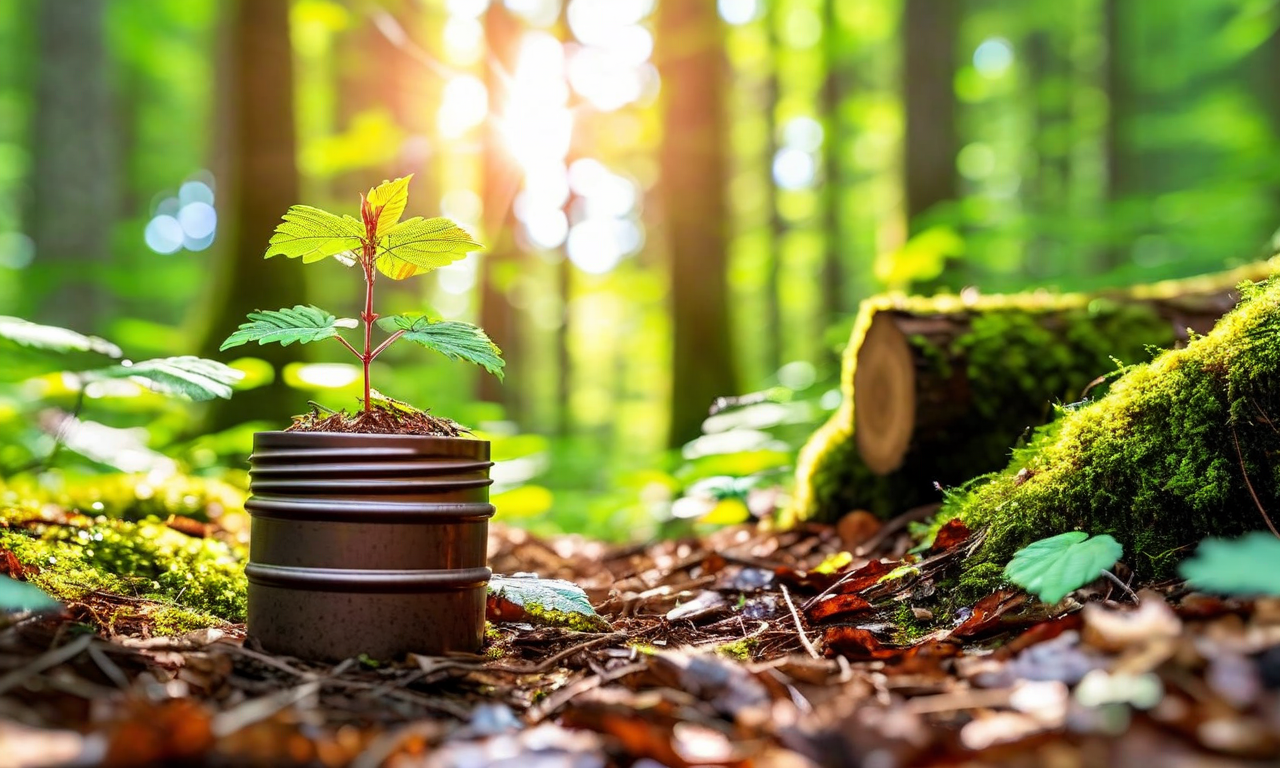
Geocaching turns your neighborhood into a treasure map. Someone hid a waterproof container behind that parking lot retaining wall three years ago. Another sits camouflaged against tree bark in the park you walk through weekly. You've passed dozens without knowing they existed. The game uses GPS coordinates and cryptic hints to guide you within 10-30 feet, then your observation skills take over. That fake bolt on the fence? Unscrews to reveal a logbook. The hollowed-out stick? Actually a magnetic tube stuck under the bench. You sign the log, maybe trade an item, and mark your find online. The rush comes from the hunt itself—decoding coordinates, narrowing down hiding spots, finally spotting what everyone else walks past. Some caches are quick urban grabs; others require hiking to specific viewpoints. The difficulty ratings tell you what you're in for, but even "easy" caches teach you to see your surroundings differently. The community aspect runs deep. Cache creators spend time designing clever hides and maintaining them. Finders leave notes about their search, hint at strategies without spoiling the discovery. Some containers hold trackable items—physical objects with unique codes that travel cache to cache, their journeys mapped online. You might find a geocoin from Germany or a travel bug that's visited twelve states. Multi-cache series turn entire neighborhoods into puzzle sequences where each find reveals coordinates for the next. The official app shows cache density, difficulty terrain ratings, and recent activity. Start with a few Traditional caches nearby—single-location finds with straightforward coordinates. You'll quickly develop pattern recognition for common hiding spots and learn which trees, structures, and features make good concealment. After finding ten, you understand the geocacher mindset and can predict placements. The gear stays minimal—your phone handles navigation—but small additions make searches more efficient and comfortable.
Step-by-Step Guide
Download the official Geocaching app and create a free account. Browse the map view showing nearby cache locations—green pins are traditional caches (best for beginners), blue are multi-step puzzles. Filter by difficulty rating (1-1.5 stars) and terrain (1-2 stars) for your first few.
Select a cache within half a mile to start. Read the full description, noting the container size (micro, small, regular), difficulty/terrain ratings, and any special attributes like 'kid-friendly' or 'requires climbing.' Check recent logs to confirm it's still there—if the last three finders logged 'DNF' (Did Not Find), pick a different target.
Study the hint if provided, but don't rely on it completely. Hints often use ROT13 cipher (the app decodes this automatically). Note the posted coordinates and check the cache page for any additional waypoint information or stage descriptions for multi-caches.
Navigate to the coordinates using the app's compass or map mode. The GPS will get you to within 10-30 feet typically. Once you're in the general area, the app shows your accuracy circle—the smaller the circle, the better your signal. Stop looking at your phone and start looking at the environment.
Scan for common hiding spots: hollowed-out logs, rock piles, fence post caps, tree root systems, ivy-covered walls, lamp post skirts, electrical boxes with magnetic backs, guardrail ends. Think like someone who wants to hide something weatherproof but retrievable. Cache containers blend in—film canisters painted brown, fake bolts with screw-off heads, magnetic key holders stuck to metal surfaces.
Search methodically in a grid pattern from the coordinate center, checking likely spots within 20-30 feet. If you're in a parking lot, check light pole bases and sign posts. In the woods, investigate any disturbed areas, unusual rock placement, or convenient tree hollows at chest height. Urban caches favor magnetic hides under metal surfaces or clever camouflage against man-made structures.
Once you find the container, step away from muggles (non-geocachers) before opening it. Sign the physical logbook with your geocaching username and date. If it's a regular-sized cache with trade items, you can swap something of equal or greater value (small toys, coins, pins—never food or dangerous items).
Return the cache exactly as you found it. If it was hidden under bark, replace the bark. If rocks covered it, rebuild the pile. Poor replacement is the fastest way to have a cache muggled (stolen or vandalized by non-players).
Log your find in the app immediately with a note about your experience. Mention if the cache needs maintenance, if the logbook is full, or if you noticed any issues. Your log helps future hunters and alerts the owner to problems.
Review your stats in the app—finds, hides found in different states, longest streak. Plan your next target, maybe increasing difficulty to 2 stars or trying a different cache type like a multi-cache or puzzle cache once you understand the basics.
Gear Up for Your Quest
Get everything you need to make this quest amazing.
Garmin eTrex SE or similar dedicated GPS device
RecommendedHandheld GPS unit with improved satellite reception and coordinate accuracy over smartphones
Get This ItemTelescoping magnetic pickup tool
RecommendedExtendable wand with strong magnet tip (extends 12-30 inches)
Get This ItemUV flashlight (395nm wavelength)
OptionalSmall ultraviolet flashlight that reveals UV-reactive markings and hidden messages
Get This ItemMicro-cache trade items kit
OptionalCollection of small swag items: geocoins, mini carabiners, tokens, laminated cards, travel bugs
Get This Item💙 Shopping through these links helps support IRL Sidequests at no extra cost to you. Thanks for making adventures possible!
Editor's Picks
Hand-selected quests our team thinks you'll love

Tabletop Firepit Night
Cozy, gooey, unforgettable nights.

Cocktail Science Lab
Turn your kitchen into a mad scientist’s bar.

Pellet Gun Accuracy Challenge
Sharpshooter bragging rights start here.