Five different crafts, five finished objects, one afternoon—this is how you find your medium.
Rotate through hands-on craft stations to build real objects—wood spoons, clay bowls, stamped metal keychains—in a single maker space session.
Most maker spaces let you book time on individual machines, but the smart play is their rotation workshops—structured sessions where instructors walk you through five different craft stations in one go. You spend 45-60 minutes at each: carving a wooden spoon with hand tools, throwing a small bowl on the pottery wheel, stamping copper sheet into jewelry, block printing fabric patches, and basic leather tooling. The goal isn't mastery—it's elimination. By the end, you'll know which craft makes your hands happy and which station had you watching the clock. The best part is seeing your progression in real time. The wooden spoon you carve first thing feels clumsy compared to the leather stamp you finish with, once your hands have warmed up to making. You leave with five actual objects (not samples, not practice pieces—actual usable things) and a clear sense of where to invest deeper. Most spaces include materials and tool use in the workshop fee, around $80-120 depending on your city. The instructors are working makers who'll answer the real questions: what mistakes beginners make, which tools matter, how much practice until you're decent. Timing matters—weekend workshops book out two weeks ahead, weekday evening sessions have more availability. Wear clothes you don't mind staining (leather dye and wood shavings don't negotiate). Bring a tote bag for your finished pieces. The pottery bowl stays for firing and pickup a week later, but everything else goes home same-day. If you're bringing a friend, you'll work parallel—close enough to compare progress but not collaborating. Solo works fine too; you're focused on your own stations.
Find a maker space or community craft center offering multi-craft rotation workshops—search 'maker space rotation class' or 'intro to craft workshop' plus your city name; spaces like TechShop-style facilities, arts councils, or tool libraries run these quarterly
Book 2-3 weeks ahead for weekend slots (weekday evenings fill slower); confirm the workshop includes all five stations: woodworking, pottery/ceramics, metalwork, printmaking, and fiber/leather work—some spaces swap textiles for glass or electronics
Arrive 15 minutes early wearing closed-toe shoes and clothes you can stain (no loose sleeves or dangling jewelry); most spaces provide aprons but bring your own if you prefer—leave bags in lockers, you need empty hands
Start at the woodworking station—instructors demo hand-carving techniques on basswood or pine, then you carve your own spoon or spatula; focus on knife control and grain direction, this sets the tone for hands-on precision across all stations
Move to pottery—leather-hard clay is already centered, you shape a small pinch pot or coil bowl; instructors help with wall thickness and rim smoothing; your piece stays for bisque firing, pickup in 7-10 days with glaze options available
Hit the metal station—use steel stamps and a rawhide mallet to impress designs into copper or brass blanks (bracelet, keychain, or bookmark); learn rivet-setting or basic patina finishing; this piece goes home same-day once edges are filed
Block printing or screen printing station—carve a simple linoleum block (geometric or letter design) or use pre-cut screens to print on fabric patches or paper; you'll mix ink, register prints, and pull 3-5 clean impressions to take home
Finish at leather or textile—basic leather tooling (stamping a card wallet or luggage tag) or fabric dyeing/stitching (shibori technique on a bandana or simple hand-stitched pouch); both teach pattern transfer and finishing techniques
Between stations, rinse hands thoroughly—clay residue ruins leather dye, wood dust clogs screen prints; most spaces have hand-washing stations with pumice soap positioned between work zones
Ask instructors the 'next steps' question at each station: what's the essential first tool to buy, what's the realistic practice timeline to get decent, which online resources or local guilds they recommend—take notes in your phone
Pack your finished pieces carefully—metal and wood are hardy, prints need flat storage to avoid smudging until fully dry (24 hours); if you're hooked on a specific craft, book a follow-up deep-dive class before leaving while the muscle memory is fresh
Get everything you need to make this quest amazing.
Most workshop-provided carving tools are full-size and clunky for first-timers—palm gouges give you immediate control over cut depth and direction, especially useful at the wood and printmaking stations where precision prevents mistakes
Small-profile carving gouges with comfortable palm-grip handles for detail work on wood and linoleum
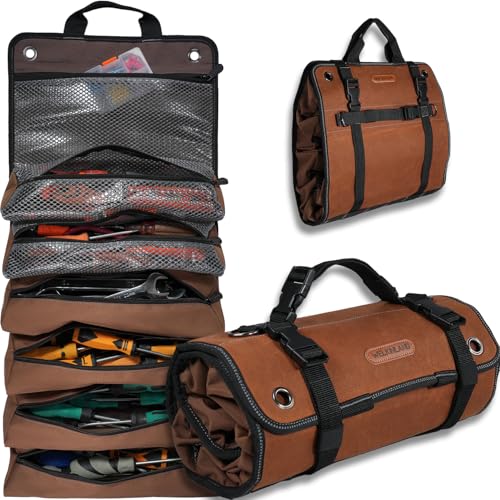
You'll accumulate metal blanks, leather tags, and wet prints across stations—a tool roll prevents cross-contamination (dye bleed, scratches) and gives you organized carry for your five finished objects instead of juggling loose items
Canvas roll with segmented pockets that keeps your finished small pieces separated and protected
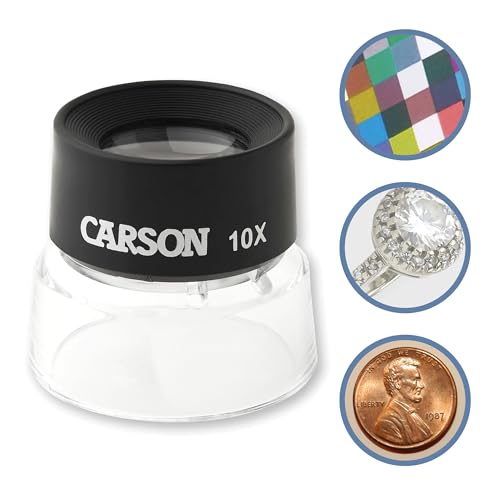
The difference between sloppy and clean craft is in the details—a loupe lets you catch metal stamp misalignments before finishing, check wood carving depth consistency, and diagnose why prints aren't transferring evenly; instructors notice when you're checking your own work
Pocket magnifier for inspecting stamp impressions, wood grain detail, and print registration up close
As an Amazon Associate, IRL Sidequests earns from qualifying purchases at no extra cost to you.
Prices and availability are subject to change. The price shown at checkout on Amazon at the time of purchase will apply.
Hand-selected quests our team thinks you'll love

Wake up with the birds and see your neighborhood through new eyes.

The best way to learn creative skills? Make bad art until it gets good.

Your hands built the first bowls 20,000 years ago. They still can.