Design your own real-world quest system using challenge cards, point tracking, and reward mechanics that make ordinary days feel like gameplay.
The difference between checking your mail and completing a quest is how you frame it. This isn't about productivity hacking or self-optimization—it's about making mundane tasks feel like you're earning XP in a game you actually want to play. You'll build a physical deck of challenge cards, each one describing a real-world action: talk to a stranger at the coffee shop, take a photo of something red, find a book published the year you were born. The cards live in your pocket or bag. When you have 15 minutes to kill, you draw one.
The system works because it's tactile. Digital to-do apps disappear into notification noise, but index cards with hand-drawn icons and point values become artifacts. I keep mine in a beat-up card box decorated with stickers from places I've been. The box itself is now part of the ritual—shuffling through completed quests feels like reviewing a log of minor adventures. You'll track points in whatever format clicks for you: a journal, a wall chart with stickers, or a simple tally in your phone's notes app. The scoring matters less than the psychological shift from "running errands" to "completing objectives."
The real payoff happens around week three, when you start inventing your own quests. The starter deck gets you moving, but the custom cards—"Find the oldest coin in circulation at three different stores," "Identify five birds by sound during your commute"—those become your signature moves. You'll notice patterns in what challenges excite you versus what feels like homework. That's the self-knowledge buried in the game mechanics.
Why This Quest Matters
The real payoff happens around week three, when you start inventing your own quests. The starter deck gets you moving, but custom cards—"Find the oldest coin in circulation at three different stores," "Identify five birds by sound during your commute"—become your signature moves. Shuffling through completed quests feels like reviewing a log of minor adventures, and the psychological shift from "running errands" to "completing objectives" changes how you move through your day.
What You'll Experience
How to transform mundane tasks into challenges you actually want to complete
Which types of activities energize you versus feel like homework
The power of tactile systems over disappearing digital notifications
How to design small adventures that fit into 15-minute windows
Your own signature quest style through pattern recognition
What You'll Need
Top gear to make this quest great.
Pull it off
Blank Index Cards or Cardstock
The physical, tactile nature of cards makes the system work—you can shuffle, sort, and carry them unlike digital lists. Cardstock weight (110lb+) prevents worn edges and feels substantial when you draw.
Color-coding transforms a plain card system into an engaging visual game. Different colors for categories (social/creative/adventure) let you customize draws based on mood and make completed card stacks satisfying to review.
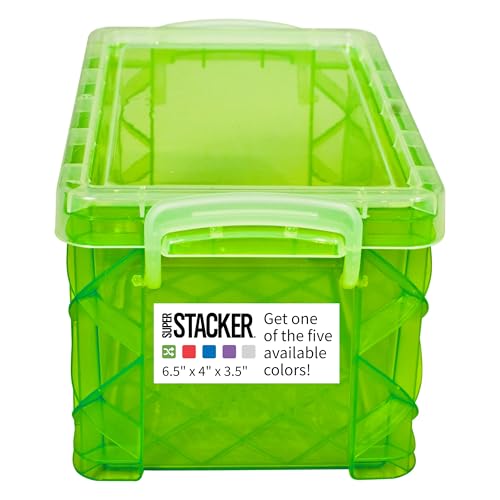
Housing your quest system in a dedicated, decorated container makes it feel like a real game. The ritual of opening your quest box becomes part of the experience. Dividers let you separate active quests, completed ones, and themed expansion packs.
As an Amazon Associate I earn from qualifying purchases. Prices may change.
Step-by-Step Guide
1
Build your quest card deck
Cut index cards in half or use business card stock. Each card gets three sections: the quest description at top (action-focused, specific like "Ask someone about their favorite local spot"), point value in the corner (10-100 based on difficulty), and a checkbox. Write 30-50 starter quests spanning social interactions, observation challenges, micro-adventures, and collection tasks. Mix quick 15-point wins with ambitious 100-point challenges.
💡 Pro Tips:
• Use consistent formatting so you can shuffle without reading every card
• Store completed cards separately to keep your active deck fresh
2
Design your point tracking system
Create something visible and satisfying to update: a poster board with 100-point segments and stickers, a jar filled with colored beads (1 bead = 10 points), a hand-drawn chart, or a simple spreadsheet. Place it somewhere you pass daily—bathroom mirror, coffee station, bedside table. Updating should take under 30 seconds.
💡 Pro Tips:
• Set reward tiers (500 pts = museum visit, 1000 pts = day trip, 2500 pts = weekend adventure) and write them on your tracker
3
Color-code quest categories and add multipliers
Use colored pens, stickers, or card stock to mark card types—green for nature quests, blue for social, red for creative, yellow for observation. On select cards, write bonus conditions on the back: "Complete before 9 AM" (1.5x multiplier), "Bring a friend" (2x points), or "Document with photo" (bonus 10 pts). This lets you customize draws based on mood and adds strategic choices.
4
Establish your daily draw ritual
Pick a consistent trigger—morning coffee, lunch break, evening wind-down. Draw 1-3 cards from your active deck. If a card doesn't fit today's context, swap it back and draw again. You're not obligated to complete every card; the act of drawing focuses attention on possibility.
💡 Pro Tips:
• The cards need to live in your pocket or bag so they're always available when you have 15 minutes to kill
5
Review weekly and expand your deck
Every Sunday, sort completed cards into a log (try a recipe box with monthly dividers). Read through the week's accomplishments and notice patterns—which quests energized you versus felt like chores. Generate 5-10 new cards based on what worked. After a month, create themed expansion packs: "Neighborhood Archaeology" with 10 local history quests, "Sensory Challenge" focused on taste and smell, "After Dark" for evening missions.
💡 Pro Tips:
• Retire cards that get consistently skipped—they're telling you something
• Leave blank cards at social gatherings and ask friends to write quests for you
The physical, tactile nature of cards makes the system work—you can shuffle, sort, and carry them unlike digital lists. Cardstock weight (110lb+) prevents worn edges and feels substantial when you draw.
Color-coding transforms a plain card system into an engaging visual game. Different colors for categories (social/creative/adventure) let you customize draws based on mood and make completed card stacks satisfying to review.
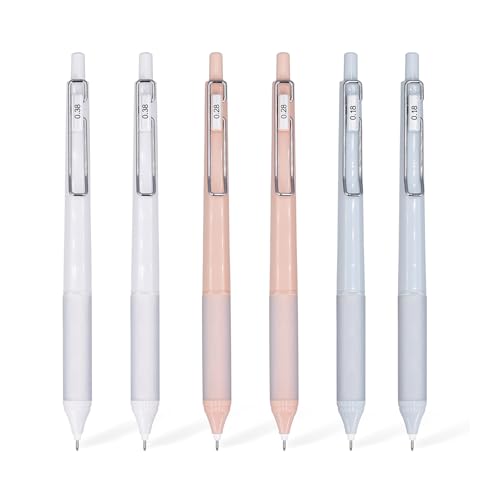
Fine-tip gel pens in 6-8 colors for quest categorization and visual interest
Housing your quest system in a dedicated, decorated container makes it feel like a real game. The ritual of opening your quest box becomes part of the experience. Dividers let you separate active quests, completed ones, and themed expansion packs.
Portable card box with dividers (recipe box size) for organizing active and completed quest decks
Physical stickers trigger dopamine response when marking progress—more satisfying than digital checkboxes. Choosing which sticker matches your quest completion adds a micro-creative moment to tracking.
Achievement-themed stickers (stars, badges, checkmarks) for point tracking chart
Today, you're going to melt, scent, and pour your own glowing candles from scratch.
Transform raw wax into glowing works of art by melting, scenting, and pouring your own custom candles. You'll measure and melt wax, blend fragrances to create signature scents, position wicks in decorative containers, and watch as liquid transforms into solid—emerging with hand-poured candles that fill your space with ambiance and your chosen aroma. This tactile craft combines chemistry and creativity, teaching you the fundamentals of candle composition while you design candles perfectly suited to your aesthetic and scent preferences.