Your hands covered in slip, watching a lump of mud rise into something you can actually eat cereal from—that's the magic of the wheel.
Master the potter's wheel in one session—centering clay, pulling walls, and shaping your first functional bowl from scratch.
The potter's wheel doesn't care about your Instagram aesthetic or your art school credentials. It responds to physics—pressure, speed, water. Your first attempts will wobble, collapse, and occasionally splatter clay across your apron. That's the point. Wheel throwing is a conversation between your hands and centrifugal force, where you learn by feeling the clay push back against your palms. Most pottery studios offer drop-in wheel sessions or single-class intro courses where you get 90 minutes of instruction plus open wheel time. You'll start with wedging (kneading air bubbles out), then tackle the hardest part: centering. Once that spinning lump stops wobbling and runs true under your hands, you'll open it, pull the walls up, and shape a basic bowl or cylinder. The clay stays wet and forgiving until you decide it's done. Your piece gets trimmed, dried, bisque-fired, glazed, and high-fired over the next 2-3 weeks. Studios usually include one glaze firing in the class fee. The bowl you take home will be slightly smaller than you expect (clay shrinks about 12% during firing) and probably wonky in that handmade-charm way. Use it daily. The rim will fit your mouth differently than factory ceramics, and coffee tastes better from something your hands built.
Top gear to make this quest great.
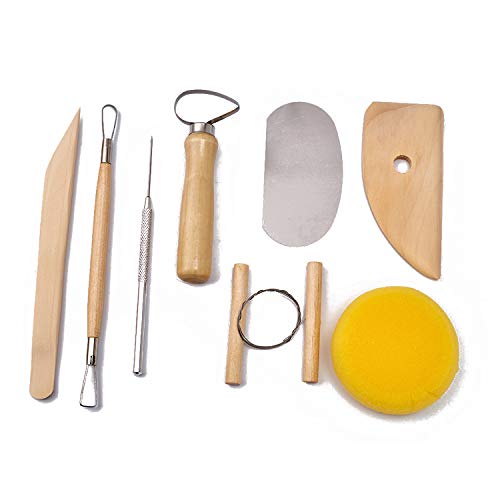
Enhances surface finish and helps control bowl curves with more precision than fingertips alone. Wood ribs especially improve rim compression and exterior smoothness on wet clay.
Lets you check wall thickness as you work (poke gently from outside to feel the needle tip inside) and trim uneven rims precisely while the wheel spins. Prevents over-thinning and blowouts.
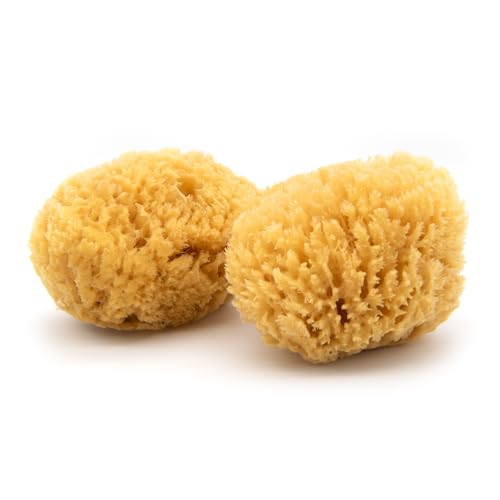
Holds more water than synthetic sponges and releases it gradually, keeping clay properly hydrated during longer throwing sessions. Also smooths interiors without leaving fingertip ridges.
As an Amazon Associate I earn from qualifying purchases. Prices may change.
Find a pottery studio offering intro wheel-throwing classes or open studio time with instruction (search 'wheel throwing class near me' or check community centers). Book a 2-3 hour beginner session—most cost $40-75 and include clay, firing, and basic glazing.
Wear clothes you don't mind staining (clay splatter happens) and remove rings or bracelets. Arrive with trimmed fingernails—long nails catch on the clay and throw off your centering. Studios provide aprons and towels.
Wedge your clay ball (usually 1-2 pounds for a first bowl) by kneading it 20-30 times to remove air bubbles. Slap it down dead-center on the wheelhead with force—it needs to stick without wobbles.
Start the wheel at medium speed (60-80 RPM). Wet your hands and the clay thoroughly. Brace your elbows against your thighs or the table edge for stability. Press the clay down with both palms to form a short, centered dome. This is centering—the clay should spin without wobbling against your hands. If it fights you, add water and push harder. This step takes most beginners 10-20 minutes of trial and error.
Once centered, open the clay: press your right thumb straight down into the center (stop about 1/2 inch from the bottom), then widen the hole by pulling outward with your fingers while supporting the outside with your other hand. You now have a low, thick-walled cylinder.
Pull the walls up: wet your hands, position fingers inside and outside the wall at the base, then squeeze gently while pulling upward in one smooth motion. Repeat 3-5 times, moving slowly. The clay thins and rises with each pull. Keep the rim even—support it with your fingertips as it spins.
Shape your bowl by pushing outward from the inside while supporting the outside. The clay will curve. Compress the rim by pinching it gently between wet fingers as it spins—this prevents cracking during drying.
Use a wooden rib tool to smooth the outside surface while the wheel spins slowly. Run a wire tool under the base to cut the bowl free from the wheelhead. Lift it carefully onto a drying board (studios provide these).
Return in 1-3 days when the bowl is leather-hard (firm but slightly damp). Flip it upside down on the wheel, re-center it, and trim the base with a trimming tool to create a foot ring and smooth the bottom. This step refines the shape and makes it sit flat on tables.
Choose a glaze from the studio's options (usually 5-10 colors). Brush or dip your bisque-fired piece (studio fires it for you after trimming). Pick it up 2-3 weeks later after the final glaze firing. The color and texture will surprise you—glaze transforms completely in the kiln.
Get everything you need to make this quest amazing.
Enhances surface finish and helps control bowl curves with more precision than fingertips alone. Wood ribs especially improve rim compression and exterior smoothness on wet clay.
Curved smoothing tools used to compress clay and refine curves while the wheel spins. Wood ribs feel warm and absorb less water; metal ribs give sharper edges.
Get on Amazon · $12-18Lets you check wall thickness as you work (poke gently from outside to feel the needle tip inside) and trim uneven rims precisely while the wheel spins. Prevents over-thinning and blowouts.
A sharp metal needle embedded in a wooden handle, used to score, pierce, and measure clay thickness while throwing.
Get on Amazon · $4-8Holds more water than synthetic sponges and releases it gradually, keeping clay properly hydrated during longer throwing sessions. Also smooths interiors without leaving fingertip ridges.
A small, absorbent natural sponge used to add water to spinning clay and smooth surfaces without finger marks.
Get on Amazon · $6-10As an Amazon Associate, IRL Sidequests earns from qualifying purchases at no extra cost to you.
Prices and availability are subject to change. The price shown at checkout on Amazon at the time of purchase will apply.
Hand-selected quests our team thinks you'll love

Wake up with the birds and see your neighborhood through new eyes.

Your city block has more wild stories than you think—time to capture them frame by frame.

Turn your city into a game board—design quests that make strangers into explorers.