Maker spaces offer climate-controlled environments perfect for any season
About This Quest
Progress through hands-on craft skills at local maker spaces, from basic tool safety to advanced fabrication techniques.
Maker spaces are the gym membership for your creative brain. Most cities have at least one community workshop where you pay monthly dues for access to tools you'd never afford or have room for—industrial sewing machines, CNC routers, pottery wheels, metal lathes, 3D printers. The real value isn't the equipment though. It's the skill progression structure and the veteran members who'll show you how to use a band saw without losing fingers.
This quest maps a realistic 3-6 month journey from absolute beginner to competent maker. You'll start with safety certifications and basic tool classes (usually free with membership), then tackle structured projects that build on each skill. Week one might be learning chisel technique on scrap pine. Month three, you're designing joinery for a bookshelf. The progression is intentional—each project introduces two new techniques while reinforcing three you already know.
The magic happens around week eight when you stop following tutorials and start problem-solving. You'll stand at the table saw figuring out how to cut a compound angle, and suddenly you understand feed rates and blade geometry. That shift from recipe-follower to maker who understands why techniques work—that's what this quest delivers. Plus you'll leave with a collection of objects you actually built: cutting boards, welded plant stands, screen-printed posters, whatever direction your hands take you.
Why This Quest Matters
Around week eight, you'll stop following tutorials and start solving actual problems—standing at the table saw calculating compound angles, suddenly understanding feed rates and blade geometry. That shift from recipe-follower to maker who knows why techniques work is the real transformation. You'll leave with objects your hands actually built and the confidence to figure out what you don't yet know.
How to plan multi-step builds with material calculations and sub-assemblies
When to problem-solve versus when to follow proven techniques
The difference between tool skill and project thinking
A collection of functional objects you designed and built yourself
What You'll Need
Top gear to make this quest great.
Pull it off
Safety Glasses with Anti-Fog Coating
Maker spaces require eye protection, but basic safety glasses fog up instantly when you're working hard, forcing you to remove them (defeating the purpose). Anti-fog coating means you keep them on even during intense sessions. The scratch resistance matters more than you'd think—cheap glasses develop surface damage that creates glare under shop lights.
This is the actual cost of the quest. Membership covers facility access, basic materials, tool maintenance, classes, and insurance. Price varies by city—$50/month in smaller towns, $100-150 in major metros. Some spaces offer day passes ($15-25) if you want to trial before committing. Student and artist discounts are common.
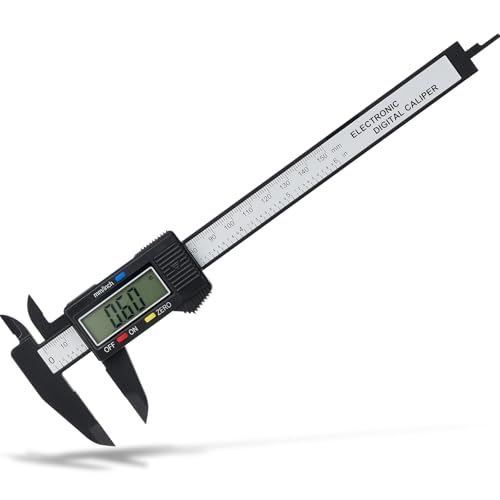
Precise measurements make the difference between parts that fit perfectly and projects that require 20 minutes of sanding fixes. Essential for joinery, metalwork fit-ups, and any project with tolerances under 1/16 inch. The digital readout eliminates squinting at ruler marks under bad workshop lighting.
As an Amazon Associate I earn from qualifying purchases. Prices may change.
Step-by-Step Guide
1
Tour local maker spaces and join
Search Makerspace.com or ask your library for tool libraries and community workshops. Visit during open hours—look for clean workspaces, organized storage, and active projects. Dusty equipment and empty rooms are red flags.
💡 Pro Tips:
• Most spaces offer free tours before you commit to membership
• Ask about included classes versus pay-per-session certifications
2
Complete safety orientation and first certifications
Attend the mandatory 2-3 hour safety session covering shop rules, emergency procedures, and core tool basics. Then book tool-specific certifications for heavy equipment (table saw, welder, industrial machines) at 1-2 per week. Practice each tool for an hour immediately after certification while muscle memory is fresh.
💡 Pro Tips:
• Take notes during the bandsaw section—that's where most beginners make mistakes
3
Pick one skill track and build the starter project
Commit to woodworking, metalwork, textiles, or digital fabrication for at least 8 weeks—don't scatter your focus. Complete your track's fundamental project: cutting board with end-grain pattern, welded steel bookend, zippered pouch with French seams, or laser-engraved coaster set. These teach core techniques without requiring design skills.
💡 Pro Tips:
• Woodworking and sewing are most beginner-friendly; metal requires more technique; CNC/laser has a steeper learning curve but faster results
4
Design and build something you actually need
By week 6-8, plan a functional intermediate project: wall-mounted shelf, laptop stand, canvas tote with pockets. Sketch it, calculate materials, break it into sub-assemblies. Attend regular project nights (Tuesday workshops, weekend builds) to watch experienced makers work and ask questions between their steps.
💡 Pro Tips:
• Notice how veterans organize their workspace and measure twice before cutting
• This is where you learn project planning matters more than tool skill
5
Attempt a technique above your level
Around week 10, try dovetail joints, TIG welding, or quilting—something you'll probably fail at. Waste the material. Document what went wrong so you can ask specific questions. Failed attempts teach more than successful repetitions.
6
Complete a multi-technique advanced project
By month 4-5, build something combining three or more techniques: side table with drawers (joinery, finishing, hardware), welded pot rack with wood accents (metal fab, drilling, finishing), or structured backpack (pattern modification, reinforced seams, hardware). When a beginner asks for help, show them what you've learned—explaining forces you to understand why each step matters.
Maker spaces require eye protection, but basic safety glasses fog up instantly when you're working hard, forcing you to remove them (defeating the purpose). Anti-fog coating means you keep them on even during intense sessions. The scratch resistance matters more than you'd think—cheap glasses develop surface damage that creates glare under shop lights.
This is the actual cost of the quest. Membership covers facility access, basic materials, tool maintenance, classes, and insurance. Price varies by city—$50/month in smaller towns, $100-150 in major metros. Some spaces offer day passes ($15-25) if you want to trial before committing. Student and artist discounts are common.
Monthly membership providing 24/7 or scheduled access to community workshop facilities
Precise measurements make the difference between parts that fit perfectly and projects that require 20 minutes of sanding fixes. Essential for joinery, metalwork fit-ups, and any project with tolerances under 1/16 inch. The digital readout eliminates squinting at ruler marks under bad workshop lighting.
Electronic measuring tool with 0.01mm precision and instant metric/imperial conversion
Paper and pen might seem basic, but a dedicated shop notebook with grid ruling changes how you plan projects. You'll sketch cut lists, note machine settings that worked, track material costs, and diagram complex assemblies. The grid helps with scale drawings. Keep it at the maker space so it's always there when inspiration hits.
Grid-ruled notebook with thick paper and 0.5mm mechanical pencil
Today, you're going to melt, scent, and pour your own glowing candles from scratch.
Transform raw wax into glowing works of art by melting, scenting, and pouring your own custom candles. You'll measure and melt wax, blend fragrances to create signature scents, position wicks in decorative containers, and watch as liquid transforms into solid—emerging with hand-poured candles that fill your space with ambiance and your chosen aroma. This tactile craft combines chemistry and creativity, teaching you the fundamentals of candle composition while you design candles perfectly suited to your aesthetic and scent preferences.