Sharpen your knife until it slices paper cleanly, work through all four classic cuts, then take the five-minute drill: julienne one carrot into even matchsticks while keeping your form. Line up ten sticks side by side and let your partner judge whose are straighter.
Bonus challenge: Cook the whole pile together into one soup and taste how evenly the uniform pieces cook.
Accept this questSaves it to your list, no account needed.
Time
2-3 hours
Cost
Free with your own gear
Starter gear from $123
Vegetables run about $5–8 a session. If you need the whetstone, board and gloves, expect roughly $20–65 once.
solo, friends, date night · Adults, and teens 14+ with an adult working alongside them
Level
Intermediate
Where
Indoor
Season
Year-round
About This Quest
Grab a friend, a few carrots and a chef's knife, and spend an afternoon learning the four cuts that make restaurant food look like restaurant food. You'll sharpen your blade on a whetstone until it slices paper cleanly, then race each other to the most perfect matchsticks.
There's a sound a properly sharp knife makes going through a carrot, and once you hear it you'll want to keep going. Today your kitchen counter becomes a practice station: one whetstone, a wooden board, three carrots, an onion, a bell pepper and a bunch of basil.
You'll put a real edge on your knife, learn the curled-finger grip that keeps your knuckles safe, and work through four classic cuts. Wobbly first attempts are completely normal, so cut slowly and let your hands catch up. Then crown a matchstick champion. A little knife skills starter gear goes a long way.
Why This Quest Matters
Most of us learned to cut food by guessing, hacking away with a dull knife and hoping. Two hours of slow, deliberate practice changes that for good. Suddenly dinner prep is calm instead of frantic, your vegetables cook evenly, and you feel genuinely capable holding a knife. That confidence sticks around long after the carrots are gone.
What You'll Experience
Hear the difference: Feel a freshly sharpened blade glide through a carrot instead of crushing it.
Test your edge on paper: Slice a sheet cleanly in one pass and know your sharpening worked.
Turn carrots into matchsticks: Watch a rough stick become uniform sticks the width of a pencil lead.
Race for the crown: Go head to head on a five-minute matchstick drill and compare the results.
What You'll Need
Top gear to make this quest great.
Pull it off
Japanese Whetstone 1000/6000 Grit
Puts a real edge on your knife so it glides through carrots instead of crushing them.
As an Amazon Associate I earn from qualifying purchases. Prices may change.
Before You Begin
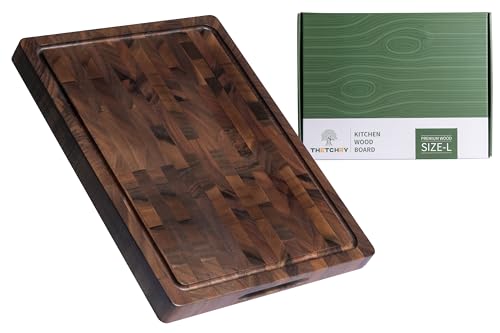
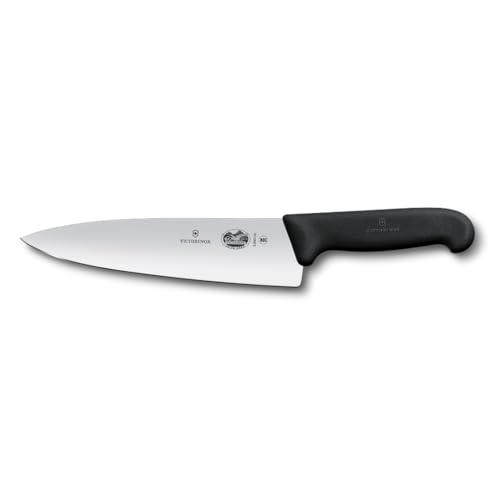
Clear your counter, pour a glass of water and put some music on, because this is a slow, satisfying afternoon. You'll want a chef's knife, a 1000/6000 grit whetstone, a large end-grain wooden cutting board with non-slip feet, a first-aid kit with gauze and adhesive closures, and the vegetables: three carrots, one onion, one bell pepper and a bunch of basil or mint. Handy extras: a cut-resistant glove for your guide hand while the grip is new, a damp towel to park the whetstone on, and a bright lamp so you can always see your fingers clearly.
Safety Tips
A good quest stays a good story. These are general notes; your gear's manual, the venue's rules and local law come first.
A properly sharpened knife cuts skin faster and deeper than a dull one. Slow down, slice with the blade moving away from your body, and never cut faster than you can control.
Keep your guide hand in the claw grip every single time: fingertips curled back under, knuckles forward, blade resting against the knuckles. A cut-resistant glove helps while learning but is not puncture-proof.
Attach the non-slip feet to the board before your first cut, and soak and set up the whetstone exactly as its manufacturer directs, resting it on a damp towel. Sharpen with the edge moving away from your fingers.
If a knife slips off the counter, step back and let it land. Never try to catch it.
Keep kids and pets out of the work zone, and keep the first-aid kit within arm's reach the whole session. Teens 14+ need an adult right there.
Wash and dry the knife by hand immediately, blade pointed away from you, and set it flat on the board between cuts. Never leave it in a sink of water.
Step-by-Step Guide
1
Build Your Station
25 min
Start by making the counter safe and tidy. Stick the non-slip feet to the underside of your cutting board so it cannot slide, and set the board where the light falls on your hands. Soak your whetstone the way its instructions say, then rest it on a damp folded towel. Lay out the first-aid kit, the vegetables and a bowl for trimmings.
💡 Pro Tips:
• Set your scraps bowl on the far side of the board so you never reach across the blade.
2
Wake Up The Edge
25 min
Here's where your knife becomes a different tool. Work the blade on the 1000 grit side first to repair the edge, pushing with the sharp edge moving away from your fingers at a steady angle. Flip to the 6000 grit side to polish it smooth. Then hold up a sheet of paper and slice down through it. A clean cut with no tearing means you're ready.
💡 Pro Tips:
• Count your strokes on each side of the blade so both sides get equal attention.
3
Learn The Claw
15 min
Before you cut anything seriously, teach your left hand its job. Curl your fingertips back under so your knuckles stick out, and rest the flat of the blade against those knuckles. Take a carrot and make slow, deliberate slices, letting your knuckles guide the blade and shuffle backward. Slow and ugly is the right speed right now.
💡 Pro Tips:
• If you're working with a friend, watch each other's guide hands. It's much easier to spot a stray fingertip on someone else.
4
Four Classic Cuts
45 min
Now the real fun. Square off a carrot into flat sides, cut 2-inch segments, slice them into quarter-inch planks, then into quarter-inch sticks: that's batonnet. Go thinner, to eighth-inch sticks, for julienne, and check ten of them side by side for matching width. Crosscut those into eighth-inch cubes and you've made brunoise, the tiny dice restaurants use.
💡 Pro Tips:
• Save the trimmings from squaring the carrots. They go straight into stock or soup.
5
Ribbons, Onion, Pepper
45 min
Three new shapes, three new tricks. Stack 5 or 6 basil leaves, roll them into a tight cigar and slice crosswise for fine ribbons, a chiffonade. For the onion, halve it through the root, make horizontal cuts and then vertical cuts while the root holds it together, then dice across. For the pepper, cut off the top and bottom, stand it upright, slice down the curves into flat panels, scrape the pale pith and dice.
💡 Pro Tips:
• Roll the basil loosely and slice fast. Crushed leaves bruise and turn dark.
6
The Matchstick Showdown
15 min
Time to find out what stuck. Set a timer for five minutes and julienne one carrot into eighth-inch matchsticks, holding your claw grip the whole way. When the timer stops, line up ten sticks and compare them with your partner's, or with your very first wobbly attempt. Straightest set wins. Then wash and dry the knife by hand, blade pointed away, and admire the pile you made.
💡 Pro Tips:
• Uniform beats fast. If you have to choose, slow down and keep the sticks matching.
You just put a paper-slicing edge on your own knife and turned a carrot into four different shapes. Line up your best matchsticks, snap a photo, and dare a friend to beat them.
By the last carrot, your hands already know what to do
Grab a bag of carrots and a friend, and turn your kitchen counter into a practice station. You'll learn the safe claw grip, cut neat matchsticks, then race the clock to see how much faster your hands get by the third carrot.