Knife Skills & Market Cooking Challenge - Creative Arts quest for Intermediate level adventurers

Knife Skills & Market Cooking Challenge

Your cutting board just became a canvas, and the farmers market is your palette.

Share:
5 supplies needed· Estimated total: $60+
View supplies

About This Quest

Master chef-level knife techniques and cook seasonal dishes from farmers market ingredients in this hands-on culinary adventure.

Professional cooks don't start with recipes—they start with technique. A proper julienne isn't just about uniformity; it changes how vegetables cook, how they taste, how they feel in your mouth. Watch a line cook break down a butternut squash in 90 seconds, and you realize the knife isn't a tool—it's an extension of their intention. This quest strips cooking back to its fundamentals: sharp steel, fresh ingredients, and deliberate motion. You'll hit the farmers market first, learning to spot peak ripeness and negotiate with growers who actually remember planting the seeds. Then it's home to your cutting board, where that pile of root vegetables becomes brunoise, batonnet, and chiffonade—French terms that sound fancy but just mean you're treating ingredients with respect. The progression is tactile. Week one, your fingers cramp and your cuts are uneven. Week four, your knife rocks through an onion without conscious thought, and you're improvising dishes based on what looked good at the market. You stop following recipes and start understanding why mirepoix exists, why garlic gets minced but shallots get sliced, why some herbs go in early and others finish the plate. The rhythm of knife work becomes meditative—twenty minutes of prep where your mind goes quiet and dinner is already half-cooked before the pan gets hot.

Duration
3-4 hours per session
Estimated Cost
$60+
Location
Both
Season
Year-round
Summer offers peak produce variety; winter focuses on root vegetables and preservation techniques
Family Friendly
All ages welcome

Step-by-Step Guide

1

Start with knife maintenance: Learn to hone with a steel before each session and sharpen on a whetstone monthly. A dull knife is dangerous; a sharp one glides through celery without crushing the cells.

2

Visit your local farmers market with a tote bag and no shopping list. Talk to three vendors about what's actually in season right now. Ask when it was picked. Learn to identify ripeness by touch and smell, not just sight.

3

Master the foundational cuts in order: Start with rough chop for stock vegetables, progress to medium dice for soffritto, then fine brunoise for garnishes. Practice on carrots first—they're firm, cheap, and show mistakes clearly.

4

Learn the claw grip and guide hand position. Your knuckles guide the blade, your fingertips curl back. Practice this motion slowly with a whole bag of potatoes until it's muscle memory.

5

Cook one market-driven meal per week: Let the produce dictate the dish. Peak tomatoes become sauce. Fresh herbs stay raw. Wilting greens get blanched and shocked. Nothing fancy—just ingredients prepared properly.

6

Document your progression with photos: Same vegetable, same cut, once a week. You'll see the evolution from jagged chunks to uniform pieces. Track your prep times—a rough chop that took 15 minutes in week one should take 5 by week six.

7

Expand to protein butchery: Break down a whole chicken, portion fish, trim beef. Understand muscle structure and connective tissue. A chicken costs $8 whole versus $20 in parts—the math alone justifies learning.

8

Practice speed rounds: Set a timer and see how many onions you can dice in 10 minutes. Line cooks do this daily. It's not about rushing—it's about eliminating wasted motion.

9

Build your flavor base library: Make and freeze portions of mirepoix, soffritto, trinity, and chimichurri. Having these prepped means weeknight cooking takes 20 minutes instead of an hour.

10

Host a knife skills night: Teach someone else what you've learned. Explaining technique forces you to understand why you do what you do, not just how.

Gear Up for Your Quest

Get everything you need to make this quest amazing.

8-Inch Chef's Knife (High-Carbon Steel)

8-Inch Chef's Knife (High-Carbon Steel)

EssentialPopular
$60-120

Eliminates the frustration of fighting your equipment. A quality knife holds an edge, balances properly, and makes every cut cleaner and safer.

A proper chef's knife with full tang construction and high-carbon steel blade. Not a set—just one excellent knife.


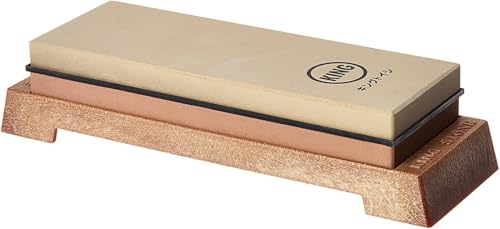
Whetstones (1000/6000 Grit Combination)

Whetstones (1000/6000 Grit Combination)

Essential
$30-50

Sharp knives are safe knives. Learning to sharpen connects you to your tools and saves hundreds over time versus professional services.

Double-sided sharpening stone for restoring and maintaining blade edges


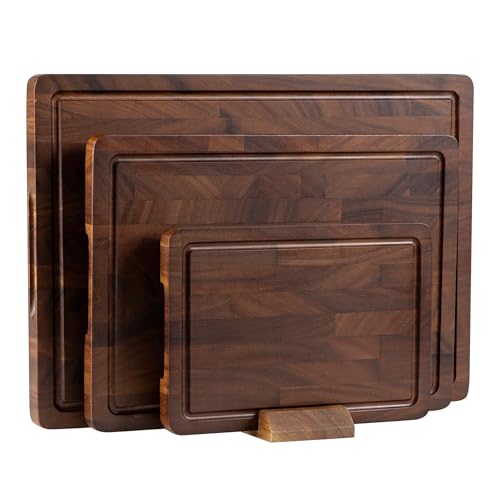
Large Wooden Cutting Board (15x20 inches minimum)

Large Wooden Cutting Board (15x20 inches minimum)

Essential
$40-80

Gives you actual workspace to practice batch cutting and proper knife technique. Small boards cramp your motion and create unsafe pivots.

End-grain maple or walnut board with rubber feet


Cut-Resistant Glove

Cut-Resistant Glove

Recommended
$12-20

Builds confidence while learning speed techniques and unfamiliar cuts. Most chefs refuse them; most beginners should use them.

Kevlar or high-performance polyethylene glove for your guide hand


Digital Kitchen Scale (0.1g Precision)

Digital Kitchen Scale (0.1g Precision)

Optional
$15-25

Teaches you to eyeball amounts accurately. Weigh your dice until you can estimate 100g by sight. Makes recipe scaling instant.

Scale accurate to a tenth of a gram for consistent portioning

As an Amazon Associate, IRL Sidequests earns from qualifying purchases at no extra cost to you.

Prices and availability are subject to change. The price shown at checkout on Amazon at the time of purchase will apply.