
Complete Culinary Quest Hub: From Kitchen Novice to Home Chef
Stop following recipes blindly—learn to actually cook.
About This Quest
Build real cooking skills through hands-on practice. Master knife work, flavor balancing, and intuitive cooking without following recipes.
Most cooking content treats you like you need another recipe. You don't. You need to understand why onions turn sweet when they caramelize, how salt brings out flavor instead of just making things salty, and why your chicken always comes out dry (you're cooking it too hot, too fast). This quest builds actual cooking intuition through deliberate practice—the kind where you mess up a dish, figure out why, and nail it the next time. You'll start with knife skills that actually matter (not fancy vegetable flowers), move into building flavor layers without measuring spoons, and eventually cook complete meals without looking at your phone every thirty seconds. The progression is structured around cooking techniques, not cuisine types, because once you understand how heat, fat, acid, and salt work together, you can cook anything. Week one, you're learning to dice an onion without crying. Week twelve, you're improvising a curry based on what's in your fridge. This isn't about memorizing recipes or buying expensive equipment. It's about repetition, sensory feedback, and building confidence through small wins. You'll burn things. You'll oversalt soup. You'll discover that garlic burns faster than you think. That's the point—each mistake teaches you something recipes never will.
Why This Quest Matters
The payoff isn't a trophy or a certificate—it's the confidence to open your fridge, see random ingredients, and know you can turn them into dinner. You'll stop panicking when recipes don't work because you'll understand what went wrong and how to fix it. That shift from recipe-follower to actual cook changes how you feed yourself for the rest of your life.
What You'll Experience
- Knife skills that create consistent cuts through muscle memory, not concentration
- How salt, fat, acid, and heat work together to build layers of flavor
- Why your mistakes happen and how to correct them in real time
- The ability to improvise complete meals from whatever's in your kitchen
- Timing instincts that get three dishes done simultaneously
What You'll Need
Top gear to make this quest great.
Pull it off
8-Inch Chef's Knife (Victorinox or Similar)
Every cooking technique starts with proper knife work. A sharp, balanced knife transforms prep from frustrating to fluid. Cheap knives require more force, which means less control and more danger. This specific brand offers professional quality at entry-level pricing.
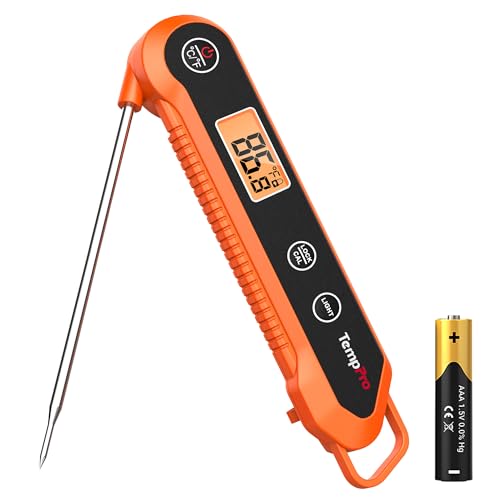
Eliminates guesswork on protein doneness. You'll stop cutting into chicken to check if it's cooked (which dries it out) and start pulling it at 160°F, letting carryover heat finish the job. Teaches you what 'medium-rare' actually feels like before you can judge by touch.
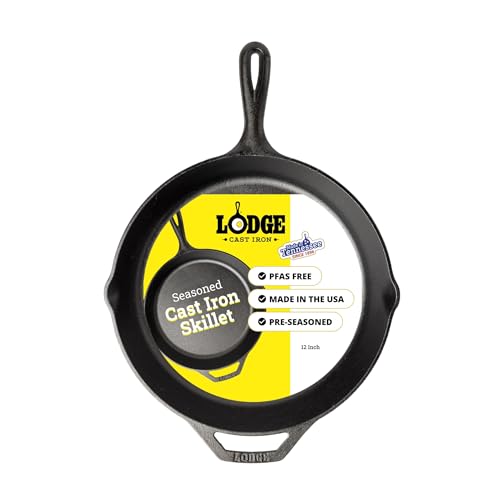
Retains heat better than regular pans, crucial for proper searing and developing fond (those brown bits that become sauce). Goes from stovetop to oven, teaching you hybrid cooking techniques. Gets better with use instead of worse.
As an Amazon Associate I earn from qualifying purchases. Prices may change.
Step-by-Step Guide
Build knife muscle memory
Buy one good 8-inch chef's knife. Dice twenty onions over three weeks until your cuts are consistent without watching your fingers. Mince garlic to paste-fine texture. Julienne carrots. You're training your hands, not chasing perfection.
💡 Pro Tips:
- • Your first ten onions will be uneven chunks—that's exactly where everyone starts
- • Sharpen your knife before each practice session; dull blades require more pressure and slip more
Map how heat changes food
Cook the same chicken breast three ways: sautéed, seared, and pan-fried. Notice how high heat browns while low heat makes rubber. Roast vegetables at 375°F, then 425°F, and taste the difference. Learn your oven's actual temperature by how it cooks, not what the dial claims.
💡 Pro Tips:
- • Touch the chicken as it cooks—firmness tells you doneness better than timers do
Calibrate your palate with salt
Make a basic tomato sauce three times: undersalted, properly salted, and oversalted. Your taste buds need this training. Then practice the four flavor elements by making the same soup and adjusting it with lemon juice, vinegar, or nothing—notice what each acid does differently.
💡 Pro Tips:
- • Add salt in stages and taste between each one—you're teaching yourself what 'needs more' actually feels like on your tongue
Cook without looking at recipes
Master three base techniques using different ingredients each time: stir-fry (hot pan, oil shimmers, aromatics until fragrant, protein, vegetables by density, sauce last), braise, and pan roast. Repeat each pattern until you can execute it while holding a conversation.
💡 Pro Tips:
- • When stir-frying, hard vegetables like carrots go in before soft ones like spinach—cook by texture, not by what the recipe says
Time complete meals to finish together
Plan three-component dinners where everything lands on the table hot at the same moment. Roast chicken while potatoes cook and greens wilt. Work backward from your serving time: if dinner is at 7:00 and chicken needs 45 minutes, it goes in at 6:15. Build your mental cooking timeline through repetition.
💡 Pro Tips:
- • Write out your timeline on paper for the first few meals—you're building a mental model that will eventually run automatically
Gear Up for Your Quest
The gear that makes this quest work.
Pull it off

8-Inch Chef's Knife (Victorinox or Similar)
Every cooking technique starts with proper knife work. A sharp, balanced knife transforms prep from frustrating to fluid. Cheap knives require more force, which means less control and more danger. This specific brand offers professional quality at entry-level pricing.
+ complete the kit — 3 more

Eliminates guesswork on protein doneness. You'll stop cutting into chicken to check if it's cooked (which dries it out) and start pulling it at 160°F, letting carryover heat finish the job. Teaches you what 'medium-rare' actually feels like before you can judge by touch.
Digital probe thermometer with 2-3 second read time
Get on Amazon · $9.98 — Instant-Read Thermometerdetails & deals →
Cast Iron Skillet (10-12 inch)
RecommendedRetains heat better than regular pans, crucial for proper searing and developing fond (those brown bits that become sauce). Goes from stovetop to oven, teaching you hybrid cooking techniques. Gets better with use instead of worse.
Pre-seasoned cast iron pan with even heat retention
Get on Amazon · $29.90 — Cast Iron Skillet (10-12 inch)details & deals →
Kitchen Scale
RecommendedTeaches ingredient ratios by weight, which is how professionals cook. A cup of flour can vary by 30% depending on how you scoop it. Once you know pasta needs roughly 1% salt by weight in its water, you'll never under-season again.
Digital scale with gram and ounce measurements
Get on Amazon · $21.99 — Kitchen Scaledetails & deals →RELATED GEAR GUIDE
Fermentation & Canning Kit: 8 Beginner Picks
Field-tested picks · Creative Arts
As an Amazon Associate, IRL Sidequests earns from qualifying purchases at no extra cost to you.
Prices and availability are subject to change. The price shown at checkout on Amazon at the time of purchase will apply.
Editor's Picks
Hand-selected quests our team thinks you'll love

Dawn Patrol: Your First Bird Watching Adventure
Wake up with the birds and see your neighborhood through new eyes.

Creative Skills Quest Hub: Learn By Doing
The best way to learn creative skills? Make bad art until it gets good.

Hand-Built Ceramic Bowl Workshop
Your hands built the first bowls 20,000 years ago. They still can.