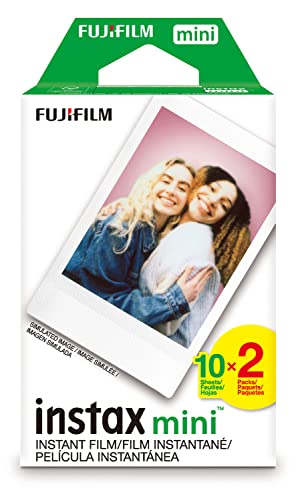
Instant Photography Quest Hub: Capture & Share Your World - Creative Arts quest for Intermediate level adventurers

Instant Photography Quest Hub: Capture & Share Your World

12 frames per pack forces you to shoot like every frame costs money—because it does.

Share:
4 supplies needed· Estimated total: Free
View supplies

About This Quest

Master instant photography through street photo challenges, creative constraints, and tangible print-making. Turn film limitations into creative fuel.

Instant film photography strips away the safety net of digital's unlimited shots. You've got 8-10 frames per pack, each one costs about $2, and there's no undo button. That constraint changes everything. You slow down. You wait for the moment instead of spray-and-pray. You talk to strangers because you can hand them a physical print right there on the sidewalk. This isn't about gear worship or technical perfection. It's about building a practice around tangible images—the kind you tape to walls, mail to friends, or trade with other photographers at meetups. The film's quirks (light leaks, color shifts, soft focus) become part of your visual language. You learn to pre-visualize exposure because the histogram lies and the LCD preview doesn't exist. Morning light hits brick walls differently at 7:30AM versus 9AM, and you've only got one shot to nail it. The real skill is working with limitations: shooting in mixed lighting without matrix metering, composing for square or rectangular frames that can't be cropped, and nailing focus on cameras with zone-focusing systems. You'll build mini-quests around specific themes—portrait swaps with strangers, architectural details in your neighborhood, documenting a single intersection across different times of day. Each pack becomes a photographic essay with a beginning, middle, and end baked in by scarcity.

Why This Quest Matters

You'll build a tangible archive of moments that exist outside screens—prints you can tape to walls, trade with strangers, or mail across the country. The $2-per-frame cost and zero do-overs force you to slow down and wait for the moment, transforming you from a button-masher into a deliberate photographer. Physical prints create real-world connections that digital galleries never will.

What You'll Experience

  • Pre-visualizing exposure without histograms or LCD previews
  • Working with fixed limitations: zone focusing, no cropping, mixed lighting
  • Building narrative sequences within 8-10 frame constraints
  • Creating physical photo communities through print swaps and trades
  • Turning film quirks (light leaks, color shifts) into visual signature
Duration
2-4 hours per session
Estimated Cost
Free
Location
Outdoor
Season
Year-round
Film develops slower in cold (keep cartridges warm). Summer heat can fog photos—shoot in shade, develop in cool spots.
Family Friendly
All ages welcome

Step-by-Step Guide

1

Load a pack with one theme

Before you leave the house, commit to a single theme for all 8-10 frames: portraits only, geometric shapes, reflections, signs and text, or shadows. Scout your location twice—first pass to find compositions, second pass to actually shoot. Morning or late afternoon light gives you controllable contrast; midday sun blows out instant film fast.

💡 Pro Tips:

  • Set exposure compensation to -⅔ or -1 stop as your default—instant film overexposes easily, especially Instax
  • Test one throwaway frame in tricky light to dial in settings before committing to your real shots
2

Shoot with strangers and protect prints

For portraits, approach people directly: 'I'm shooting instant film today—want a photo for yourself?' Most say yes when they're getting the print. Shield developing prints from direct sun immediately after ejection—tuck them in your jacket or dark pouch for 60-90 seconds. Light contamination in the first minute ruins the image.

💡 Pro Tips:

  • Keep a shot log on your phone with frame number, location, settings, and intent—instant film gives no EXIF data
3

Build themed mini-essays per pack

Shoot all 8-10 frames of one subject—a building, a person, a street corner—to create visual essays. Sequence them on a wall or in a zine layout to see the narrative arc. Organize weekly photo swaps with other instant photographers to trade prints, discuss technique, and steal ideas.

💡 Pro Tips:

  • Physical exchange builds community faster than Instagram likes ever will
4

Experiment with film-specific techniques

Try double exposures, light painting with long exposures if your camera has Bulb mode, or shoot through colored gels. Instant film's limited dynamic range makes these techniques pop in ways digital can't replicate. Challenge yourself with artificial constraints: shoot an entire pack without looking through the viewfinder, only at eye level, or only vertical compositions.

5

Create a physical print library

Tape finished photos to index cards with date, location, and notes about what you were trying to capture. Flip through them monthly to spot patterns in your style and subjects you keep returning to. Mail one print per week to someone who'd never expect it—no context, just a photo.

💡 Pro Tips:

  • Physical mail hits different than DMs—old friends, family, or random pen pals all work
Full gear guide
Phone Photography Kit: 9 Picks for Better Shots
See all picks →

Gear Up for Your Quest

Get everything you need to make this quest amazing.

Film Shield Dark Slide Pouch

Film Shield Dark Slide Pouch

EssentialPopular
$12-18

Prevents light contamination during the critical first 60 seconds of development. Essential for outdoor shooting in bright conditions where you can't immediately pocket prints.

Light-tight fabric pocket or accordion folder for protecting developing instant prints


Instant Film Camera Color-Correction Filters

Instant Film Camera Color-Correction Filters

Recommended
$15-25

Corrects instant film's tendency toward green or blue color casts in fluorescent/LED lighting. Critical for indoor or mixed-light shooting where film struggles.

Magnetic or clip-on filters for Instax Mini/Square or Polaroid cameras that warm or cool color balance


Incident Light Meter (Analog or Digital)

Incident Light Meter (Analog or Digital)

Recommended
$30-120

Instant cameras' built-in meters often misread high-contrast scenes. An incident meter gives you ground truth for exposure, especially with backlit subjects or bright skies.

Handheld meter that reads light falling on the subject rather than reflected light


Close-Up Lens Attachment

Close-Up Lens Attachment

Optional
$20-35

Lets you focus closer than the camera's minimum distance (usually 2-3 feet). Unlocks detail shots of textures, objects, and environmental fragments most instant shooters miss.

Clip-on or magnetic macro lens for Instax or I-Type cameras

RELATED GEAR GUIDE

Phone Photography Kit: 9 Picks for Better Shots

Field-tested picks · Creative Arts

As an Amazon Associate, IRL Sidequests earns from qualifying purchases at no extra cost to you.

Prices and availability are subject to change. The price shown at checkout on Amazon at the time of purchase will apply.