IRL Sidequests
Indoor Still Life Photography Mastery - Creative Arts quest for Intermediate level adventurers

Indoor Still Life Photography Mastery

Your kitchen table is a better photo studio than you think—here's how to shoot like a pro.

About This Quest

Master professional still life photography techniques using household items, natural window light, and simple DIY setups. No studio required.

Still life photography strips away the chaos and puts you in complete control. You decide the light, the angle, the story. I've spent afternoons shooting the same orange eight different ways, watching how 3PM window light creates completely different shadows than 10AM. That's the beauty here—you're not chasing golden hour or waiting for clouds to move. You build the conditions. Start with objects that have texture: a worn leather wallet, citrus fruits with visible pores, old books with creased spines. The morning light through north-facing windows gives you soft, even illumination without harsh shadows. Position your subject two feet from the window, use white poster board as a bounce on the opposite side. You'll see the difference immediately—shadows fill in, details pop. The real skill develops when you start seeing negative space, when you understand that the area around your subject matters as much as the subject itself. I keep a collection of backgrounds: weathered wood planks, dark slate tiles, plain linen fabric. Swap them out, shoot the same composition five times. You'll notice how a dark background makes light objects sing, how texture adds depth without competing for attention. This isn't about expensive gear—it's about observation and patience.

Duration
2-3 hours
Estimated Cost
$60+
Location
Indoor
Season
Year-round
Family Friendly
All ages welcome

Step-by-Step Guide

1

Scout your space: Find a window with indirect natural light (north-facing ideal, avoid direct sun). Clear a table or counter within 3 feet of this window. Best light happens 9AM-11AM or 2PM-4PM depending on your orientation.

2

Build your backdrop: Lay down your background material (wood board, fabric, or textured surface) on the table. Secure edges with tape if it curls. This becomes your stage—keep it simple.

3

Position your subject: Place your main object 18-24 inches from the window. The closer to the window, the softer the shadows. Too far away and you lose light intensity. Start with something simple: a coffee mug, an apple, a set of keys.

4

Create fill light: Use white foam core or poster board opposite the window to bounce light back onto the shadow side. Angle it toward your subject. Watch the shadows soften as you adjust the board's position.

5

Set your camera angle: Shoot from multiple heights—eye level with the subject, 45 degrees above, directly overhead. The overhead angle (flat lay) works great for multiple small objects. Lock your camera settings: ISO 400, aperture f/4-f/8 for depth, shutter speed as needed.

6

Compose deliberately: Use the rule of thirds, but also try dead center for symmetrical subjects. Leave negative space—don't fill the entire frame. The empty areas give your subject room to breathe.

7

Adjust and iterate: Shoot 5-10 frames of the same setup, moving elements slightly between shots. Rotate the subject 15 degrees, shift your background, bring in a second object for scale or interest. Review on a larger screen—your camera's LCD lies.

8

Experiment with props: Add elements that tell a story without cluttering. A scattered coffee bean near the mug. A knife with citrus peel curls. Each prop should have purpose—ask 'what does this add?' before including it.

9

Edit with restraint: Adjust exposure, bump contrast slightly, enhance texture with clarity or structure tools. Don't over-saturate. Still life thrives on subtle tones and natural color.

10

Build a catalog: Shoot the same subject in different conditions over several days. Morning light vs afternoon. White background vs dark. You'll develop an intuition for what works and why.

Gear Up for Your Quest

Get everything you need to make this quest amazing.

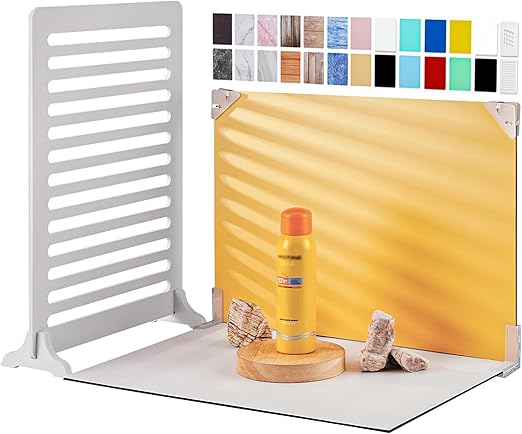
Foam Core Reflector Boards (White & Black, 20x30 inches)

Essential
$12-18

Rigid foam boards used to bounce or block light

Get This Item

Textured Background Surfaces (Wood planks, slate tiles, or fabric)

Recommended
$15-35

Physical backdrop materials with visual interest

Get This Item

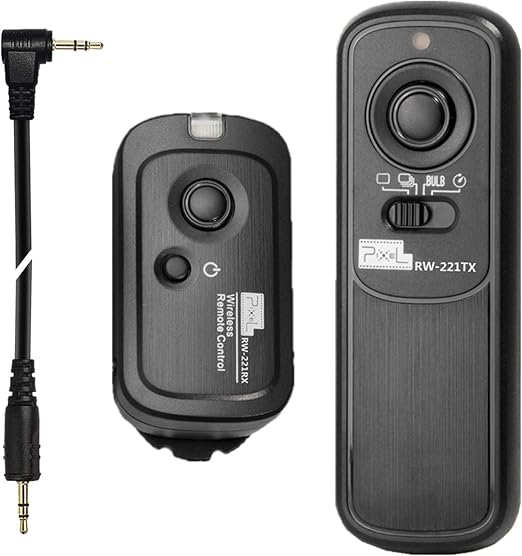
Camera Remote Shutter Release or Timer App

Recommended
$0-15

Wireless trigger or smartphone app for hands-free shooting

Get This Item

Macro Extension Tubes or Close-Up Lens Filter

Optional
$25-45

Optical accessories that allow closer focusing distances

Get This Item

💙 Shopping through these links helps support IRL Sidequests at no extra cost to you. Thanks for making adventures possible!