Indoor Creative Studio Sessions - Creative Arts quest for Beginner level adventurers

Indoor Creative Studio Sessions

Your kitchen table becomes a studio when you stop treating creativity like a hobby and start treating it like practice.

Share:
5 supplies needed· Estimated total: Free
View supplies

About This Quest

Transform your home into a working studio with hands-on creative projects that build real skills—from watercolor layering to bookbinding techniques.

Most home craft sessions turn into half-finished Pinterest fails because they lack structure. Real creative work isn't about relaxation—it's about building muscle memory through repetition. Set up your space like you mean it: clear a table, lay down newspaper or a plastic cloth, arrange your materials within arm's reach. The goal isn't to produce gallery-worthy pieces on day one. It's to understand how watercolor bleeds when wet-on-wet, how much pressure a linoleum cutter needs, how book signatures fold and nest together. Pick one medium and commit to a focused session. Watercolor teaches you patience—layers need to dry, colors mix on paper differently than on palette. Block printing is about planning in reverse and carving with intention. Bookbinding combines precision measuring with hand-stitching rhythm. Each technique has its own logic, and you learn it by doing it wrong a few times first. The mess is part of it. Ink under your fingernails, paint water that's turned murky brown, paper scraps everywhere. Clean as you go or don't—but when you finish a session and step back to see six practice swatches or a fully bound notebook you made from scratch, that's when it clicks. You didn't just kill time. You built something and learned how materials behave under your hands.

Why This Quest Matters

You'll finish this session with ink under your nails and a stack of practice sheets that prove you actually built a skill. That hand-bound notebook or those printed bookmarks exist because you learned how materials behave under pressure, moisture, and blade. This isn't craft therapy—it's technical practice that compounds every time you sit down again.

What You'll Experience

  • How your chosen medium actually behaves—not how tutorials say it should
  • The difference between decorative mess-making and deliberate technical practice
  • Which tools, papers, and pressures work for your specific hands and workspace
  • A documented reference of your own mistakes and breakthroughs for next time
  • The satisfaction of finishing something you made from raw materials and learned technique
Duration
2-4 hours
Estimated Cost
Free
Location
Indoor
Season
Year-round
Family Friendly
All ages welcome

What You'll Need

Top gear to make this quest great.

Cold-press watercolor paper pad (140lb)
Cold-press watercolor paper pad (140lb)Popular

Regular paper buckles and tears when wet. This weight handles multiple washes and lets you practice lifting and layering techniques without the surface falling apart.

$9.99
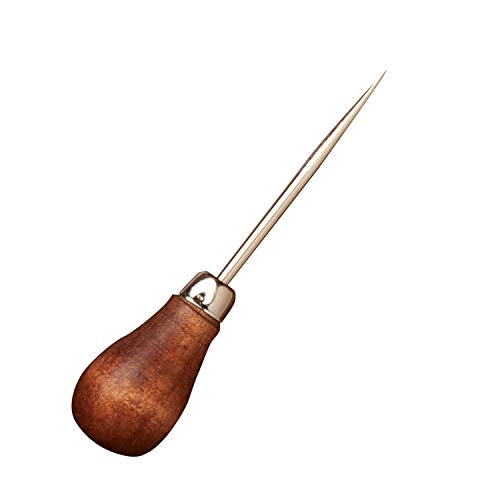
Bookbinding awl with comfortable grip

Trying to poke holes with scissors or nails gives you uneven spacing and torn pages. A proper awl punches clean holes exactly where you mark them, making hand-stitching actually possible.

$14.24
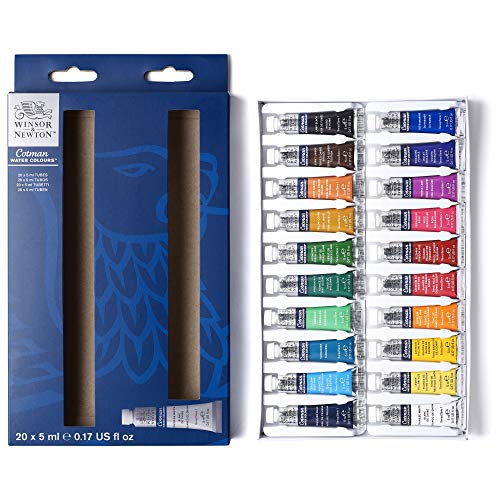
Artist-grade watercolor set (12+ colors)

Student-grade paints use fillers that make muddy colors. Artist-grade pigments mix clean and layer properly, teaching you actual color theory instead of fighting cheap materials.

$23.00
View all 5 supplies

As an Amazon Associate I earn from qualifying purchases. Prices may change.

Step-by-Step Guide

1

Pick one medium and stick with it

Choose watercolor painting, linoleum block printing, Japanese stab-stitch bookbinding, or paper collage. Commit to this single medium for the entire session—switching partway through means you'll learn none of them properly.

2

Prep your workspace like a real studio

Cover your table with newspaper or plastic cloth. Position yourself near natural light or set up a bright desk lamp. If painting, fill a jar with clean water. Arrange all materials within arm's reach so you're not interrupting your work to hunt for scissors or extra paper.

💡 Pro Tips:

  • Test your lighting by holding your hand over the work surface—harsh shadows mean you need to reposition your lamp
3

Drill technical exercises for 30-45 minutes

Skip the final piece for now. Paint color gradients and test wet-on-dry versus wet-on-wet techniques. Carve simple geometric patterns into linoleum. Fold and measure paper signatures for binding. These repetitions build the muscle memory that matters.

💡 Pro Tips:

  • Label your practice sheets with what technique you used—future you will need this reference
4

Apply what you learned to a small project

Make a 5x7 inch watercolor study, print a set of bookmarks, bind a mini journal, or layer a paper collage. Work slowly and deliberately. This isn't about finishing fast—it's about feeling how the materials respond when you use them correctly.

5

Document your results and mistakes

Photograph your practice sheets. Write notes about what worked: which brush size felt right, which paper absorbed too much ink, how tight your stitches should be. These observations become your personal technique guide for next time.

💡 Pro Tips:

  • Note your failures explicitly—they're faster teachers than your successes
6

Clean up before anything dries or rusts

Wash brushes while paint is still wet. Store carved blocks flat to prevent warping. Put away cutting tools properly. Dried paint in bristles or rusty blades mean you'll be buying replacements instead of practicing next time.

Full gear guide
Phone Photography Kit: 9 Picks for Better Shots
See all picks →

Gear Up for Your Quest

Get everything you need to make this quest amazing.

Cold-press watercolor paper pad (140lb)

Cold-press watercolor paper pad (140lb)

EssentialPopular
$9.99

Regular paper buckles and tears when wet. This weight handles multiple washes and lets you practice lifting and layering techniques without the surface falling apart.

Heavyweight cotton-blend watercolor paper designed to absorb water without warping

Get on Amazon · $9.99

Bookbinding awl with comfortable grip

Bookbinding awl with comfortable grip

Essential
$14.24

Trying to poke holes with scissors or nails gives you uneven spacing and torn pages. A proper awl punches clean holes exactly where you mark them, making hand-stitching actually possible.

Sharp pointed tool for piercing precise holes through multiple paper signatures

Get on Amazon · $14.24

Artist-grade watercolor set (12+ colors)

Artist-grade watercolor set (12+ colors)

Recommended
$23.00

Student-grade paints use fillers that make muddy colors. Artist-grade pigments mix clean and layer properly, teaching you actual color theory instead of fighting cheap materials.

Professional watercolor paint set with transparent pigments in tubes or pans

Get on Amazon · $23.00

Speedball linoleum cutter set with multiple tips

Speedball linoleum cutter set with multiple tips

Recommended
$17.99

Different line widths and carving depths require different blade shapes. A full set lets you experiment with texture and detail instead of fighting a single generic blade.

Handle with interchangeable carving tips (V-gouge, U-gouge, knife blade) for block printing

Get on Amazon · $17.99

Waxed linen bookbinding thread

Waxed linen bookbinding thread

Recommended
$14.98

Regular thread tangles, breaks under tension, and comes unknotted. Waxed linen holds its twist, slides through holes smoothly, and keeps bindings tight for years.

Strong, pre-waxed thread that doesn't tangle or fray during hand-stitching

Get on Amazon · $14.98

RELATED GEAR GUIDE

Phone Photography Kit: 9 Picks for Better Shots

Field-tested picks · Creative Arts

As an Amazon Associate, IRL Sidequests earns from qualifying purchases at no extra cost to you.

Prices and availability are subject to change. The price shown at checkout on Amazon at the time of purchase will apply.