Your alone time just became your most productive creative hours.
Recharge through solo creative projects designed for introverts. From analog photography to sound design, discover fulfilling indoor activities that build skills without draining your social battery.
Your apartment becomes a creative studio when you stop treating introversion like something to fix. These quests work with your natural energy flow—no forced networking, no group brainstorming sessions where you nod along while your brain screams for silence. Just you, your materials, and the satisfaction of making something tangible while the world stays on the other side of your door. The rhythm matters here. Morning light through your window hits differently when you're developing film negatives in your bathroom-turned-darkroom or painting miniature terrain pieces at your kitchen table. Your neighbors think you're just home a lot. You're actually building a portfolio of skills that most people scroll past on Instagram without attempting. The mess stays contained, the distractions stay minimal, and your phone stays in another room because these activities demand your full attention in the best possible way. These aren't hobbies your extroverted coworker suggests at lunch. They're deliberate practices that require the kind of sustained focus that only happens when you control your environment completely. By month three, you'll have a bookshelf of completed projects that prove your alone time wasn't wasted—it was invested in becoming someone who makes things instead of just consuming them.
By month three, you'll have a shelf of completed projects that prove your alone time wasn't wasted—it was invested in becoming someone who makes things. The mess stays contained, distractions stay minimal, and you'll have built a portfolio of skills that most people only scroll past on Instagram. Your apartment becomes a creative studio when you stop treating introversion like something to fix.
Top gear to make this quest great.

Forces deliberate composition since you can't delete bad shots. The mechanical feedback and film advance lever create a tactile creative process that digital cameras can't replicate. Slows you down in the right way.

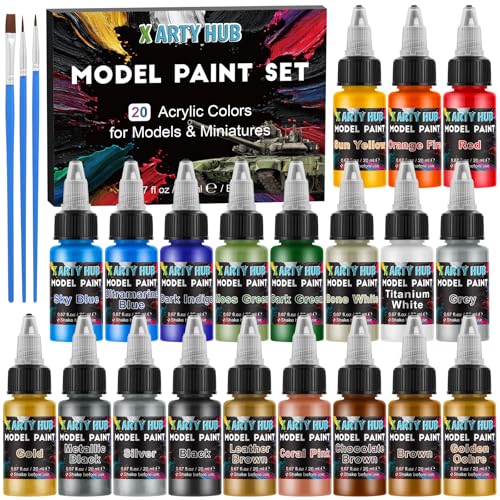
Provides immediate tactile satisfaction with visible progress in 2-hour sessions. The tiny scale demands focus that drowns out mental chatter. You'll enter flow state by the third figure.

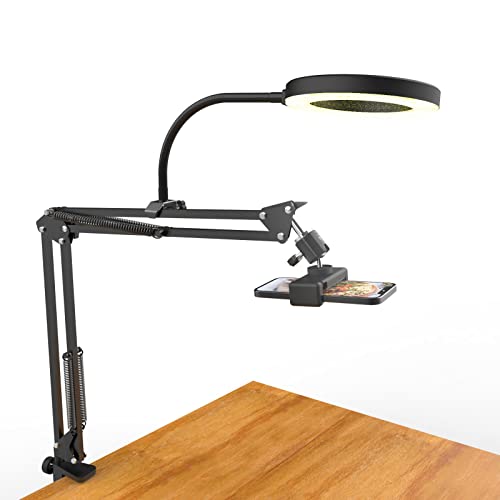
Eliminates the frustration of handheld phone recording for time-lapse or stop-motion work. Keeps your frame locked while you adjust subjects. Essential for consistent lighting across 200+ frames.
As an Amazon Associate I earn from qualifying purchases. Prices may change.
Choose one craft—film photography, miniature painting, sound design, bookbinding, or stop-motion animation—and commit to 8-12 sessions before switching. Clear a dedicated workspace: one desk corner, closet shelf, or bathroom counter. Label a materials box. Your brain needs this physical anchor to shift into creative mode.
Find three YouTube videos or online courses in your chosen discipline. Replicate them step-by-step without improvising. You're learning technique vocabulary, not proving originality. Block 2-4 hour sessions on your calendar and protect them like medical appointments.
Create a folder on your device for screenshots of inspiring work, PDFs of technique guides, and bookmarked supply lists. Join one asynchronous community—Reddit, Discord, or niche forums—where you can read daily and post weekly without real-time pressure. This is your scrolling replacement.
When you finish a project, photograph it with good lighting. Store physical items in labeled clear bins with completion dates. Scan artwork and back up digital files to cloud storage. Keep a simple log of what you made and when—future you needs this proof of progression.
Can you complete a project start-to-finish without tutorials? If yes, increase complexity. If no, repeat fundamentals without shame. Find one local practitioner for a 30-minute portfolio review at a coffee shop. You need outside perspective twice a year, not twice a week.
Get everything you need to make this quest amazing.

Forces deliberate composition since you can't delete bad shots. The mechanical feedback and film advance lever create a tactile creative process that digital cameras can't replicate. Slows you down in the right way.
Used analog SLR camera body with manual controls and standard prime lens
Get on Amazon · $49.99
Provides immediate tactile satisfaction with visible progress in 2-hour sessions. The tiny scale demands focus that drowns out mental chatter. You'll enter flow state by the third figure.
Acrylic paint set with fine detail brushes and miniature figures
Get on Amazon · $26.99
Eliminates the frustration of handheld phone recording for time-lapse or stop-motion work. Keeps your frame locked while you adjust subjects. Essential for consistent lighting across 200+ frames.
Overhead camera mount with flexible positioning for stop-motion or product photography
Get on Amazon · $27.99
Transforms your computer into a recording studio for field recordings, podcast editing, or music production. Opens up sound design without monthly subscription fees. Works with free DAW software.
Two-channel audio interface with XLR and instrument inputs
Get on Amazon · $11.99
Lets you turn loose papers, prints, or journals into bound books. The repetitive stitching motion is meditative, and finished books feel substantial in your hands. No power tools needed.
Japanese-style bookbinding tools including bone folder, awl, needle, and linen thread
Get on Amazon · $29.99RELATED GEAR GUIDE
Phone Photography Kit: 9 Picks for Better Shots
Field-tested picks · Creative Arts
As an Amazon Associate, IRL Sidequests earns from qualifying purchases at no extra cost to you.
Prices and availability are subject to change. The price shown at checkout on Amazon at the time of purchase will apply.
Hand-selected quests our team thinks you'll love

Wake up with the birds and see your neighborhood through new eyes.

The best way to learn creative skills? Make bad art until it gets good.

Your hands built the first bowls 20,000 years ago. They still can.