
Host a Neighborhood Tool Library Swap
Most power drills sit idle 97% of their lifespan—your block probably owns fifteen copies of the same tools.
About This Quest
Turn your garage clutter into community connection by organizing a tool sharing network where neighbors trade access to equipment instead of buying duplicates.
Walk down any suburban street and you'll find the same DeWalt drill in twelve different garages, each used twice a year. A tool library flips this waste on its head—neighbors pool equipment, track loans through simple systems, and suddenly everyone has access to the specialty gear they'd never justify buying. I started one on my block after borrowing a concrete mixer from three streets away; within six months we had forty households sharing everything from tile saws to canning equipment. The mechanics are simpler than you'd think. You're not running a nonprofit or filing paperwork—just organizing a shared catalog and basic checkout system. Most groups use a shared spreadsheet or free inventory app, meet quarterly for equipment drops and pickups, and handle everything else through group chat. The real work is the first gathering where you establish ground rules about maintenance, replacement protocols, and what happens when someone returns a chainsaw covered in mystery oil. What makes this stick isn't the money saved (though one neighbor calculated $2,400 in avoided purchases his first year). It's the conversations at pickup exchanges, the retired carpenter who starts sharpening everyone's blades, the single parent who finally tackles that deck repair because borrowing a miter saw costs zero dollars and zero judgment. You'll learn who grows vegetables, who rebuilds motorcycles, who knows foundation repair. The tool library becomes a directory of neighborhood skills that matters more than the equipment.
Why This Quest Matters
You'll calculate the money saved—maybe $2,400 in avoided purchases—but the real payoff is discovering who grows vegetables, rebuilds motorcycles, or knows foundation repair. The tool library becomes a living directory of neighborhood skills and the excuse for conversations that turn strangers into collaborators. That single parent finally tackles their deck repair because borrowing a miter saw costs zero dollars and zero judgment.
What You'll Experience
- How to design trust-based systems that scale through simple rules rather than bureaucracy
- Which neighbors possess hidden skills and equipment worth knowing about
- The real barriers to sharing (usually awkwardness, not cost) and how transparent protocols dissolve them
- How physical gathering points create social infrastructure that extends far beyond the original purpose
What You'll Need
Top gear to make this quest great.
Pull it off
Tool Cleaning Supply Kit
Keeps borrowed equipment maintained between uses. Having a communal cleaning station at swap meets sets expectations and makes it easy for borrowers to return items in good condition.
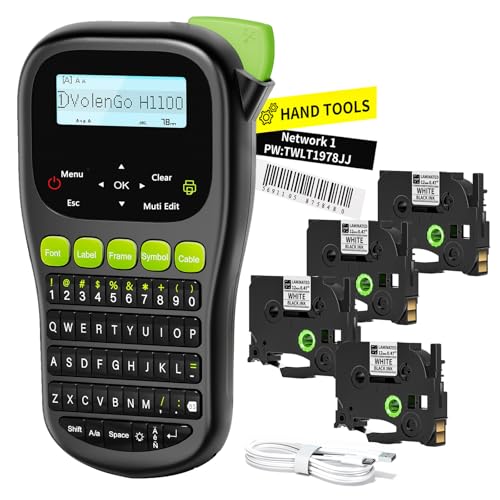
Create durable ownership tags for tools that survive weather, oil, and repeated handling—critical for tracking items as they circulate. Regular paper tags disintegrate within weeks.
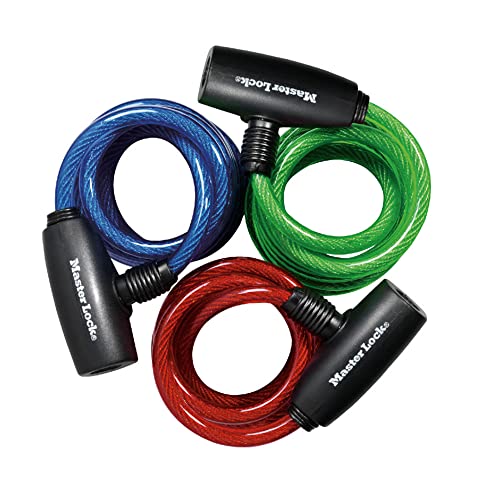
Some neighborhoods evolve to a shared shed system for high-demand items. Uniform locks let multiple members access common storage while keeping equipment secure.
As an Amazon Associate I earn from qualifying purchases. Prices may change.
Step-by-Step Guide
Map your block's tool ecosystem
Walk a six-block radius and note houses with workshop spaces, recent renovation projects, or visible workbenches through garage windows. Create a Google Form or Nextdoor survey asking three questions: what tools do you own that sit unused, what equipment would you borrow if available, and what's your biggest concern about lending. The third question reveals the real barriers you'll need to address.
💡 Pro Tips:
- • Look for tool sheds, car repair setups, and maintained gardens—these signal your early adopters
- • The concerns people list (damage, loss, awkwardness) tell you exactly what rules to establish upfront
Host a kickoff meeting with voting
Gather interested neighbors at a community center, brewery back room, or someone's driveway on a Saturday. Bring three proposed rule systems—honor system, signed logs, or app-based tracking—and let the group vote on structure. During this same meeting, have everyone photograph their shareable tools on their phones and compile into a shared spreadsheet with columns for item name, owner, condition, and special instructions.
💡 Pro Tips:
- • Skip fancy inventory systems initially; a basic spreadsheet keeps momentum going
- • Neutral territory matters less than casual atmosphere—make it feel social, not official
Set maintenance rules and communication hub
Establish your baseline protocol—most successful libraries use 'borrower cleans, owner maintains.' For expensive items like pressure washers, decide whether to collect returnable deposits or require brief how-to sessions before first checkout. Set up a WhatsApp, Facebook, or Discord group where borrowing happens through simple posts: 'Need: orbital sander, Tuesday-Friday' and owners respond with availability.
💡 Pro Tips:
- • Write down the protocols in your shared space so new members can reference them without asking
- • No central administrator needed for groups under thirty households
Handle your first conflict transparently
Someone will return something damaged, forget to clean a tool, or keep equipment too long. Address this decisively and fairly through your communication hub, assuming good intent but establishing clear expectations. How you handle this first issue sets the culture for all future exchanges. Most groups find transparent communication solves 95% of problems.
💡 Pro Tips:
- • Don't let issues fester in private messages; brief public acknowledgment prevents resentment
Hold quarterly swap meets
Schedule gatherings where members bring tools to exchange, demonstrate equipment, and address any lending issues. These events build the trust that makes the system work—grill burgers, let kids play, make it social rather than transactional. Document project completions in your group chat with photos; these success stories recruit new members better than sustainability pitches.
💡 Pro Tips:
- • The retired carpenter who starts sharpening everyone's blades emerges at these gatherings
- • After six months of success, consider expanding to camping gear, party supplies, or skill-sharing workshops
Gear Up for Your Quest
The gear that makes this quest work.
Pull it off

Tool Cleaning Supply Kit
Keeps borrowed equipment maintained between uses. Having a communal cleaning station at swap meets sets expectations and makes it easy for borrowers to return items in good condition.
+ complete the kit — 3 more

Weatherproof Label Maker
RecommendedCreate durable ownership tags for tools that survive weather, oil, and repeated handling—critical for tracking items as they circulate. Regular paper tags disintegrate within weeks.
Battery-powered label maker with outdoor-rated tape
Get on Amazon · $39.98 — Weatherproof Label Makerdetails & deals →
Equipment Inventory App Subscription
OptionalEnables photo-based catalogs, checkout history, and maintenance reminders without managing spreadsheets. The free versions handle up to 100 items, plenty for starting out.
Digital tracking system like MyStuff2, Sortly, or Neighbors Tool Library (many have free tiers for small groups)

Heavy-Duty Cable Locks
OptionalSome neighborhoods evolve to a shared shed system for high-demand items. Uniform locks let multiple members access common storage while keeping equipment secure.
Set of keyed-alike cable locks for securing shared storage if group establishes central depot
Get on Amazon · $15.63 — Heavy-Duty Cable Locksdetails & deals →RELATED GEAR GUIDE
Guerrilla Gardening Gear: 6 Picks to Green Your Block
Field-tested picks · Social & Community
As an Amazon Associate, IRL Sidequests earns from qualifying purchases at no extra cost to you.
Prices and availability are subject to change. The price shown at checkout on Amazon at the time of purchase will apply.
Editor's Picks
Hand-selected quests our team thinks you'll love

Guerrilla Gardening: Plant Beauty Where It's Not Expected
That cracked sidewalk planter doesn't need to stay dead—fill it with wildflowers at 2AM and watch neighbors smile for months.

Backyard Conversation Workshop
Your backyard becomes the training ground where awkward silences turn into confident conversations.

Community Kitchen & Culinary Connection Hub
The best recipes get passed hand-to-hand, not screen-to-screen.