Cook one signature dish from twelve cuisines, each one twice, and throw a Passport Dinner at dishes four, eight and twelve. Serve guests both versions side by side and let them vote on the winner out loud.
Bonus challenge: Let the winning version earn a silly award name from your guests, and use that name forever.
Accept this questSaves it to your list, no account needed.
Time
3-6 months (2-3 hours per cuisine)
Cost
Supplies only
Starter gear from $28
Ingredients run about $15–35 per dish, and you cook each dish twice. Buying spices in bulk at an ethnic grocery cuts that a lot. The optional wok, spice grinder and thermometer add about $80 one time.
solo, date night, family, friends · Teens and up; kids 8+ can help with an adult at the stove
Level
Beginner
Where
Indoor
Season
Year-round
About This Quest
Pick twelve cuisines you already love ordering, then cook one signature dish from each over the next few months. Every dish gets cooked twice: once by the book, once your way. At dishes four, eight and twelve, your friends come over, taste both versions and vote.
Twelve kitchens' worth of cooking, all happening in yours. You'll spend two or three hours per cuisine, one cuisine every week or two, and by month three you'll notice your hands already know what to do when the oil starts shimmering.
Each dish gets cooked twice: first exactly as written, then again with your stove, your pan and your taste in charge. Keep the first few easy, like a stir-fry or a simple braise. Then come the Passport Dinners, where guests taste both versions and pick a winner.
Why This Quest Matters
Cooking somebody's home dish is a quiet kind of travel. You find out why the pan has to be screaming hot, why the dough needs to rest, why the spices go in before anything else. And once a dish lives in your hands, you can make it for people you love on any ordinary Tuesday.
What You'll Experience
Hear the wok sing: Find out what a pan sounds like when it's finally hot enough for a real stir-fry.
Taste the difference: Cook one dish twice and discover what your own small changes actually do.
Host three Passport Dinners: Friends taste both versions of your dish and vote on the winner.
Shop somewhere new: Ask the grocery staff what they'd buy and walk out with better ingredients than your list.
What You'll Need
Top gear to make this quest great.
Pull it off
Whole spices in bulk
Cumin, coriander, peppercorns and dried chilies carry half of your twelve dishes, and bulk bags cost a fraction of supermarket jars.
As an Amazon Associate I earn from qualifying purchases. Prices may change.
Before You Begin
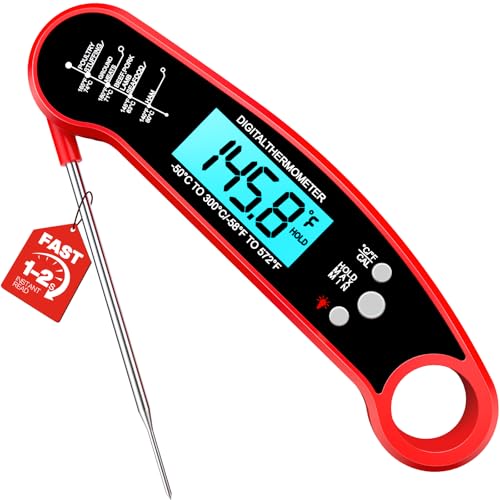
Pick cuisines whose food you already order and love, and you're most of the way there. You probably own the real essentials: a sharp chef's knife, a heavy skillet and a sturdy cutting board. Handy extras: a 14-inch carbon steel wok for high-heat stir-frying, a cheap electric coffee grinder used only for spices, and an instant-read thermometer for frying oil and meat doneness. Find recipes from home cooks in those countries on YouTube, where you can see hand movements, dough texture and how dark the char should go.
Safety Tips
A good quest stays a good story. These are general notes; your gear's manual, the venue's rules and local law come first.
Frying day: clip an instant-read thermometer on, keep the oil below its smoke point, and keep a lid within arm's reach.
Never carry a hot pot of oil across the kitchen. If oil catches fire, slide the lid over it to smother the flames and never use water.
Toasting dried chilies or Sichuan peppercorns sends spicy fumes into the air that sting eyes and throats, so run the hood and open a window. Wear gloves when you seed hot chilies.
Follow your wok's and grinder's own instructions, especially the wok's seasoning steps, and keep the spice grinder for spices only so nothing unexpected ends up in your food.
Keep your knife sharp and use a claw grip with your guide hand. Dull blades slip, and most cuts happen late in the prep when you're tired, so take a break before the last onion.
Kids 8 and up can measure, stir and plate, but an adult handles the hot wok, the frying oil and the knife work.
Step-by-Step Guide
1
Write Your Twelve
20 min
Grab paper and list twelve cuisines from different parts of the world whose food you already love eating. Then check the list teaches you different things: aim for a spread like stir-frying, slow braising, dough work and blooming spices in hot oil. Pick one cuisine every week or two and stick the list on the fridge. Make cuisine one something easy, because you're cooking it today.
💡 Pro Tips:
• Mix fast dishes with one or two slow projects so you always have a quick win while something longer is underway.
2
Cook Dish One By The Book
90 min
Shop, then cook, and follow the recipe exactly, even the fussy parts, because that's where the technique hides. Shop at an ethnic grocery and ask the staff what they'd pick: you'll get fresher produce, cheap bulk spices and usually a tip you'd never find online. Get the pan properly hot, hear it react when the food goes in, then sit down and eat your first stamp.
💡 Pro Tips:
• Grind whole spices fresh for this one. Cumin toasted and ground minutes before it hits the pan tastes like a different ingredient.
3
Cook It Your Way
60 min
Same dish, second run, and now you're in charge. Your stove runs hotter than theirs, your pan holds heat differently, and your taste for salt and chili is your own. Adjust the heat, the timing, the seasoning. This is the cook where the dish stops being someone's recipe and becomes the one you can make without looking anything up.
💡 Pro Tips:
• Change two things at most, or you'll never know which one made it better.
4
Stamp The Passport
150 min
Now roll through the rest of the list, one cuisine every week or two, two or three hours each. Keep cuisines two and three simple, then reach for the bigger stuff later: hand-pulled noodles, home-cured bacon, a long braise. Each time, cook it straight once and your way once, and notice the key technique and the surprise that caught you out.
💡 Pro Tips:
• By month three you'll spot the pattern: hot fat, something aromatic, then patience. That's when new recipes stop looking scary.
5
Passport Dinner Night
180 min
At dishes four, eight and twelve, cook for a table. Invite friends or family, choose the dish that holds happily for twenty minutes, and finish all your prep before anyone knocks. Serve both versions side by side, by-the-book against your-way, and have everyone taste and vote out loud. Timing dinner for a crowd is its own skill, and three nights will teach it.
💡 Pro Tips:
• Scale the recipe up a day early rather than on the night. Doubling a sauce changes how long it takes to reduce.
6
Crown The Champion
30 min
After the twelfth dinner, let your guests pick the single best thing you cooked all season and hand it a ridiculous award name on the spot. Then cook that winner one more time for the person who voted loudest for it. Twelve cuisines in, you don't just have a favorite dish, you have one you can make for anyone, any night.
💡 Pro Tips:
• Ask your guests which one they'd want again next month. That answer tells you what to cook when you host.
Twelve cuisines later, you have a shelf of dishes that genuinely belong to you. Cook the champion one more time and teach it to whoever asked for the recipe first.
Street Food Swap: Host a Global Block Party Dinner
Everyone brings one dish. Everyone leaves with eight.
Invite your neighbors over for a night where everyone brings one street food dish, portioned out small, and trades it plate by plate. You'll taste eight countries in one evening, hear how each dish is really made, and end up sitting down together with a plate of everything.