Stop watching craft videos—get clay under your fingernails and sawdust on your shoes.
Hit three different maker workshops in one month to learn pottery, woodworking, or textile crafts hands-on from local artisans.
Most people spend hours watching pottery TikToks or woodworking YouTube channels but never touch the tools. This quest flips that—you're booking three separate maker workshops within a month to try pottery throwing, basic woodworking, and one wild-card craft like screen printing or leatherwork. No prerequisites, no expensive equipment to buy. Just show up, follow the instructor's lead, and leave with something tangible you made. The structure is simple: research local maker spaces, community colleges, or independent studios that offer drop-in beginner sessions. Book one per week or spread them across the month. The pottery wheel will feel chaotic the first time—your bowl will probably collapse—but that's the point. The table saw is louder than you expect. The leather punch requires more hand strength than you'd think. You're collecting experiential data about what kind of making actually clicks with you, not just what looks good on a screen. By the end, you'll have three finished objects (a mug, a cutting board, a stamped wallet), calluses in new places, and actual opinions about which craft you want to pursue deeper. Some studios offer punch cards or monthly memberships—if one workshop really hooks you, that's your next quest unlocked.
You'll walk away with three objects you actually made—crooked, imperfect, and yours. More valuable than the mug or cutting board is the experiential data: you'll know which craft lights up your hands and brain, not just your algorithm. Some people discover pottery is meditative torture while woodworking feels like solving puzzles, or vice versa—you can't learn that from videos.
Top gear to make this quest great.

Protects clothes from clay slip, wood stain, and leather dye while keeping small tools (pencils, measuring tape, burnishing tools) accessible without cluttering your workspace. Most studios provide basic aprons, but having your own means consistent pocket placement across all three workshops.

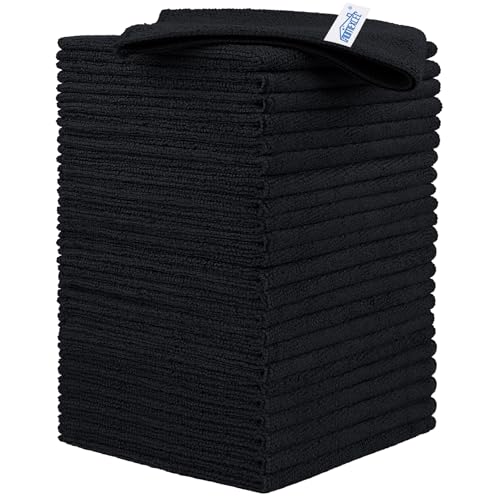
Studios provide shop rags, but they're often covered in old finishes or clay residue. Clean microfiber towels mean better oil application on wood, cleaner leather burnishing, and no cross-contamination between materials. Roll one in your apron pocket for each session—you'll use it constantly for hand-drying and detail work.

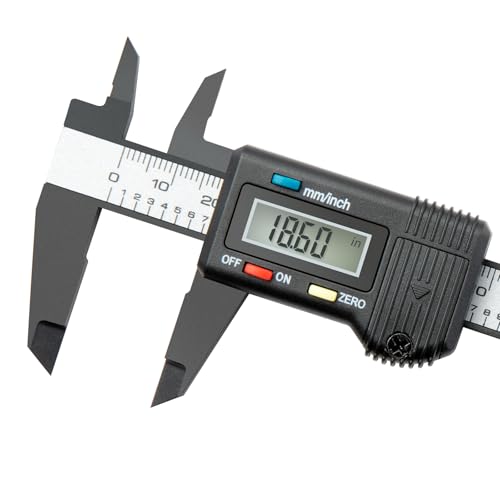
Lets you measure wall thickness on pottery, wood joint gaps, and leather strap widths with precision that tape measures can't match. Instructors will notice you're serious when you pull this out—it's the difference between 'hobby participant' and 'someone who might come back.' Also useful for replicating dimensions at home later.
As an Amazon Associate I earn from qualifying purchases. Prices may change.
Search for beginner pottery, intro woodworking, and one wildcard craft (screen printing, leatherwork, metalsmithing, glass fusing) in your area. Filter for single-session classes at maker spaces, community art centers, or independent studios that provide all tools and materials—skip the 6-week commitment courses.
Show up 10 minutes before each session starts. Instructors often demo tool handling during setup—how to center clay on the wheel, proper chisel grip, correct pressure on a leather punch. Ask your newbie questions now, not when you're mid-panic and your bowl is collapsing.
Follow the instructor's lead through the full project. Take one progress photo per session—not for social media, but to capture how your hands actually move through unfamiliar motions. Notice which movements feel intuitive and which make your wrists or fingers ache.
At the end of each workshop, ask what their first failed project was—artisans love sharing early disasters, and it's weirdly reassuring. Also ask what affordable starter tools they'd recommend if you wanted to continue at home.
Lay out your mug, cutting board, and wildcard creation side by side. Honestly assess which craft made you lose track of time, which felt like fighting the material, and which you'd pay to do again. If one clearly won, research next-level classes or open studio memberships for that discipline.
Get everything you need to make this quest amazing.

Protects clothes from clay slip, wood stain, and leather dye while keeping small tools (pencils, measuring tape, burnishing tools) accessible without cluttering your workspace. Most studios provide basic aprons, but having your own means consistent pocket placement across all three workshops.
Canvas work apron with reinforced front pockets and adjustable neck strap
Get on Amazon · $3.79
Studios provide shop rags, but they're often covered in old finishes or clay residue. Clean microfiber towels mean better oil application on wood, cleaner leather burnishing, and no cross-contamination between materials. Roll one in your apron pocket for each session—you'll use it constantly for hand-drying and detail work.
Pack of 6-8 lint-free microfiber cloths in dark colors
Get on Amazon · $11.99
Lets you measure wall thickness on pottery, wood joint gaps, and leather strap widths with precision that tape measures can't match. Instructors will notice you're serious when you pull this out—it's the difference between 'hobby participant' and 'someone who might come back.' Also useful for replicating dimensions at home later.
Precision measuring tool reading in inches and millimeters, accurate to 0.01mm
Get on Amazon · $6.99RELATED GEAR GUIDE
Phone Photography Kit: 9 Picks for Better Shots
Field-tested picks · Creative Arts
As an Amazon Associate, IRL Sidequests earns from qualifying purchases at no extra cost to you.
Prices and availability are subject to change. The price shown at checkout on Amazon at the time of purchase will apply.
Hand-selected quests our team thinks you'll love

Wake up with the birds and see your neighborhood through new eyes.

The best way to learn creative skills? Make bad art until it gets good.

Your hands built the first bowls 20,000 years ago. They still can.