
Hands-On Creative Arts Mastery Path
Your hands will remember what your mind forgets—build muscle memory across four analog art forms.
About This Quest
Progress through pottery, printmaking, metalwork, and fiber arts with structured skill-building projects that layer technique week by week.
Most people dabble in one creative medium and quit when the learning curve steepens. This 12-week path teaches you to push through plateaus by rotating between four tactile arts: ceramics, printmaking, basic metalwork, and fiber arts. You'll spend three weeks in each medium, long enough to move past beginner frustration but short enough to maintain momentum. Week one of pottery feels clumsy—centering clay on a wheel takes genuine wrist strength and timing. By week three, you're trimming foot rings and understanding how glaze chemistry changes color. Then you switch to screen printing before the pottery routine gets stale. The rotation strategy works because skills transfer. The pressure control you learn pulling clay helps you roll even brasso ink for printmaking. The heat management from metalwork soldering translates to understanding kiln temperature curves. Studios often offer discounted multi-class packages; a maker space membership typically runs $80-150/month and covers equipment access across all four mediums. You'll finish with 12-15 finished pieces and the confidence to tackle YouTube tutorials independently. Find community studios through local arts councils or search 'ceramics open studio' plus your city name. Most require a safety orientation (one hour, usually free). Show up to Friday open studio sessions—that's when experienced makers are around to answer questions when your wire saw binds or your selvage edge curves. The smell of mineral spirits and clay dust becomes weirdly comforting by week five.
Why This Quest Matters
You'll finish with 12-15 finished pieces and the confidence to tackle tutorials independently. Skills transfer across mediums—pressure control from pulling clay helps you roll even ink for printmaking, and heat management from soldering translates to understanding kiln temperature curves. The rotation strategy pushes you through plateaus and helps you find your material before routines get stale.
What You'll Experience
- Muscle memory across four analog art forms
- How to push through creative learning plateaus
- Transferable techniques between tactile mediums
- Which material fits your hands and brain best
- Studio safety protocols and equipment access confidence
What You'll Need
Top gear to make this quest great.
Pull it off
Pottery Tool Set
Essential for trimming, shaping, and detailing clay work. Studio tools are shared and worn; your own set ensures consistent results and proper sizing for your hand grip.
Get on Amazon · $79.99 — Pottery Tool Set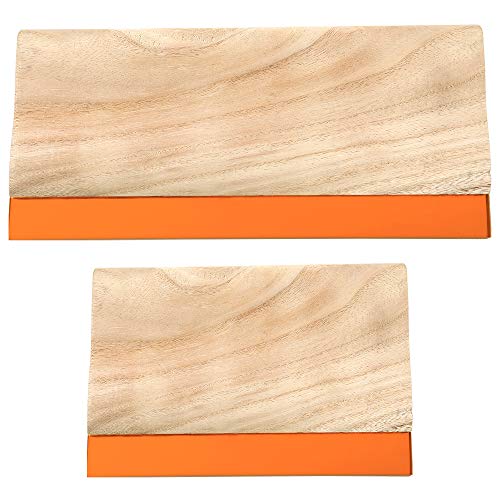
Controls ink pressure and spread during printing. Studio squeegees are often stiff or chipped; a personal medium-hardness blade gives you better control over ink opacity and edge sharpness.
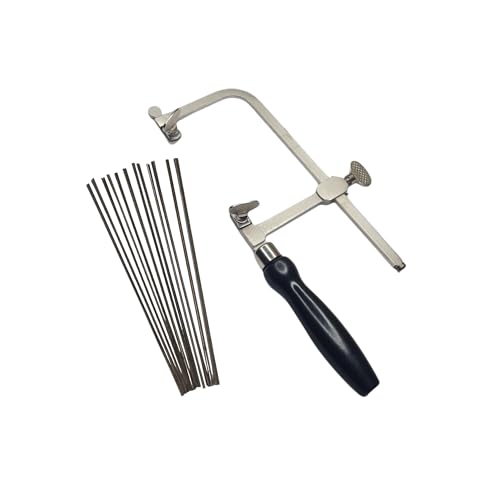
Cuts intricate curves in metal sheet with precision impossible using tin snips. Adjustable tension lets you work brass, copper, or silver without blade breakage. Studios rarely have enough for everyone during open hours.
As an Amazon Associate I earn from qualifying purchases. Prices may change.
Step-by-Step Guide
Secure Multi-Medium Studio Access
Research local maker spaces or community art centers offering ceramics, printmaking, metalwork, and fiber arts. Call to ask about 12-week package deals—they're often 20-30% cheaper than drop-in rates. Confirm they have evening or weekend open studio hours for practice time beyond structured classes.
💡 Pro Tips:
- • Search 'ceramics open studio' plus your city name to find community studios
- • Maker space memberships typically run $80-150/month and cover equipment across all four mediums
Master Wheel-Throwing Basics (Weeks 1-3)
Center 3 pounds of clay, pull walls to consistent thickness, and trim leather-hard pieces. Your first five attempts will wobble off-center—that's normal. Focus on one form: cylinders become mugs, bowls, or vases depending on how you shape the rim, then learn one glaze application technique.
💡 Pro Tips:
- • By week three, you'll be trimming foot rings and understanding how glaze chemistry changes color
Build Two-Color Screen Prints (Weeks 4-6)
Cut stencils from rubylith film or draw on frosted mylar with litho crayons, then expose screens under UV light. Practice your squeegee angle and pressure on newsprint before printing on fabric or paper. Print a 10-piece edition—you'll see your consistency improve between print three and print eight.
Execute Cold Connections and Soldering (Weeks 7-9)
Saw brass or copper sheet into geometric shapes, file edges smooth, drill holes, and rivet pieces together to make a cuff bracelet or earrings. Week three introduces torch control: flux and solder sterling silver wire into rings or small pendants. Keep a wet towel nearby and tie back long hair.
💡 Pro Tips:
- • Start with cold connections—no torch yet—before progressing to soldering
Establish Fiber Arts Rhythm (Weeks 10-12)
Choose weaving, embroidery, or punch needle and focus on one stitch type or weave pattern executed cleanly across a 12x12 inch piece. Set up a rigid heddle loom or stretch fabric in an embroidery hoop. The repetitive motion becomes meditative once you find rhythm—expect sore shoulders the first week.
Document Progress and Commit Deeper
Photograph your week-one piece in each medium, then shoot the same angle at week 12 to see technical growth. Post your progression on r/crafts or r/learnart for specific feedback. Identify which medium clicked best, then sign up for an intermediate class or commit to 10 more hours of open studio time in that discipline.
Gear Up for Your Quest
The gear that makes this quest work.
Pull it off

Pottery Tool Set
Essential for trimming, shaping, and detailing clay work. Studio tools are shared and worn; your own set ensures consistent results and proper sizing for your hand grip.
Get on Amazon · $79.99 — Pottery Tool Setdetails & deals →+ complete the kit — 4 more

Controls ink pressure and spread during printing. Studio squeegees are often stiff or chipped; a personal medium-hardness blade gives you better control over ink opacity and edge sharpness.
9-inch squeegee with medium durometer blade
Get on Amazon · $9.99 — Speedball Screen Printing Squeegeedetails & deals →
Jeweler's Saw Frame and Blades
EssentialCuts intricate curves in metal sheet with precision impossible using tin snips. Adjustable tension lets you work brass, copper, or silver without blade breakage. Studios rarely have enough for everyone during open hours.
Adjustable saw frame with pack of size 2/0 blades
Get on Amazon · $15.99 — Jeweler's Saw Frame and Bladesdetails & deals →
Makers' Sketchbook (Grid or Dot)
RecommendedTrack glaze recipes, screen exposure times, and wire gauge notes. The grid helps you plan metal cutting patterns to scale. Loose paper gets clay dust or ink-smudged and lost; a bound book becomes your reference manual.
Hardbound mixed-media sketchbook with grid or dot pattern pages
Get on Amazon · $9.79 — Makers' Sketchbook (Grid or Dot)details & deals →
Digital Kitchen Scale (0.1g Precision)
RecommendedEssential for mixing glaze chemicals or metalwork patina solutions in accurate ratios. Eyeballing measurements leads to inconsistent color results. Helps you replicate successful batches exactly.
Compact scale accurate to 0.1 grams
Get on Amazon · $33.88 — Digital Kitchen Scale (0.1g Precision)details & deals →RELATED GEAR GUIDE
Phone Photography Kit: 9 Picks for Better Shots
Field-tested picks · Creative Arts
As an Amazon Associate, IRL Sidequests earns from qualifying purchases at no extra cost to you.
Prices and availability are subject to change. The price shown at checkout on Amazon at the time of purchase will apply.
Editor's Picks
Hand-selected quests our team thinks you'll love

Dawn Patrol: Your First Bird Watching Adventure
Wake up with the birds and see your neighborhood through new eyes.

Creative Skills Quest Hub: Learn By Doing
The best way to learn creative skills? Make bad art until it gets good.

Hand-Built Ceramic Bowl Workshop
Your hands built the first bowls 20,000 years ago. They still can.