
Hands-On Craft Lab: Build Creative Skills Indoors
Your living room just became your most productive creative space.
About This Quest
Transform your space into a making studio. Learn practical craft skills from embroidery to woodcarving with structured projects that build technique through repetition.
Indoor craft sessions give you controlled conditions to build real skills. No weather concerns, no gear hauling—just you, materials, and focused practice time. The kitchen table becomes a carving bench. The corner desk transforms into a sewing station. You're working with tangible materials that respond to your hands, building muscle memory through repetition. Start with one craft medium and commit to three practice sessions before switching. Embroidery teaches thread tension control. Bookbinding develops precision folding and scoring. Spoon carving builds knife grip and grain-reading skills. Block printing requires ink consistency judgment. Each medium has its learning curve, and the indoor setting lets you pause, troubleshoot, and iterate without external pressure. The satisfaction comes from physical proof of progress. Your first embroidered sampler shows wobbly stitches. The third one displays even tension and clean corners. Your carved spoon gets smoother with each cut. The mess stays contained—newspaper protects surfaces, materials store in labeled boxes, and cleanup happens on your schedule. This isn't about Pinterest-perfect results. It's about building competence in making things with your hands, one session at a time.
Why This Quest Matters
You'll hold physical proof of your improving competence—wobbly first stitches give way to even tension, rough carved edges become smooth curves. The controlled indoor setting lets you pause mid-cut, troubleshoot a folding mistake, or retry a print without weather or crowds interrupting. It's skill-building without the performance pressure, just you and materials that respond to practice.
What You'll Experience
- Muscle memory for tool grip, thread tension, or knife angle through focused repetition
- How to set up and maintain a functional home craft station
- Visual progress tracking methods that reveal improvement over time
- Basic techniques in one craft medium: stitches, cuts, folds, or prints
- Cleanup and organization habits that make the next session easier
What You'll Need
Top gear to make this quest great.
Pull it off
OttLite LED Desk Lamp with Adjustable Arm
True color rendering and shadow-free lighting for detail work. Standard overhead lights create glare on glossy surfaces and cast shadows from your hands. Side lighting at eye level reduces eye strain during multi-hour sessions.
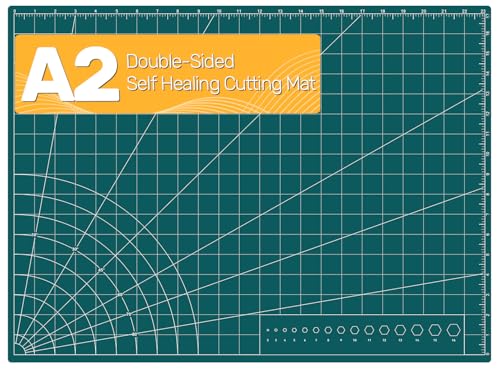
Protects your table from blade marks, ink spills, and glue drips. The grid lines keep your cuts straight and help with material layout. Cleans with soap and water, unlike newspaper that needs constant replacement.
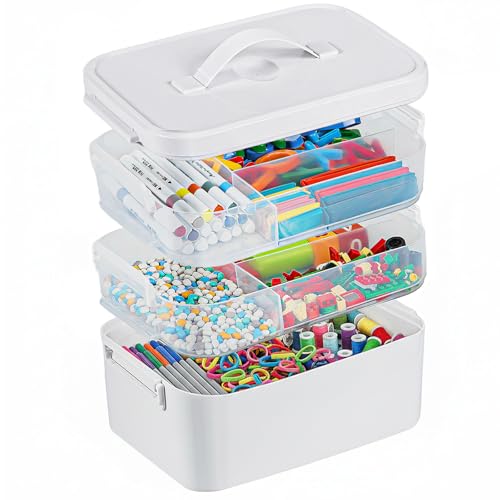
Keeps thread, beads, carving bits, and small tools sorted and visible. No more dumping out a shoebox to find one color. Stackable design means you can add more as your supply collection grows. Clear sides let you see what's inside without opening.
As an Amazon Associate I earn from qualifying purchases. Prices may change.
Step-by-Step Guide
Pick one craft and gather starter supplies
Choose embroidery, wood carving, bookbinding, block printing, or paper marbling based on your space and mess tolerance. Buy the minimum: for embroidery, grab 14-count Aida cloth, size 24 tapestry needle, and DMC floss in three colors. For carving, get a basswood blank, #2 hook knife, and cut-resistant glove. For bookbinding, stock up on text-weight paper, bone folder, and waxed linen thread.
💡 Pro Tips:
- • Carving creates shavings; marbling needs water access—let your space limitations guide your choice
Set up your work zone with proper lighting
Cover your kitchen table or desk with newspaper or a cutting mat. Position a desk lamp for side lighting to reduce eye strain during detail work. Keep a damp cloth within arm's reach for quick cleanups.
💡 Pro Tips:
- • Side lighting prevents shadows from your hands obscuring your work
Follow a beginner tutorial and practice one technique
Find a YouTube video for your chosen craft—hand techniques make more sense when you see finger positions and tool angles. Pause and rewind the tricky parts. Spend 30-45 minutes on one basic move: backstitch for embroidery, stop cuts for carving, or signature folding for bookbinding. Speed doesn't matter in session one.
💡 Pro Tips:
- • Watch how the instructor grips the tool or holds tension—that's harder to describe in text than to see
Document your first attempt with photos
Before putting supplies away, photograph your finished piece or practice work. Label the photo with the date. Compare it to photos from sessions two and three later—the visual progress shows more clearly than it feels in the moment.
Clean up and organize immediately
Sort embroidery thread back into the box by color. Wipe carving tools with mineral oil. Stack papers flat in a folder. This five-minute habit prevents your next session from starting with ten minutes of hunting for the right needle.
Schedule session two within three days
Block out two hours on your calendar before muscle memory fades. Hand positions and tension feel familiar for only a short window. Commit to three practice sessions with your chosen medium before switching crafts—that's where real skill-building happens.
Gear Up for Your Quest
The gear that makes this quest work.
Pull it off

OttLite LED Desk Lamp with Adjustable Arm
True color rendering and shadow-free lighting for detail work. Standard overhead lights create glare on glossy surfaces and cast shadows from your hands. Side lighting at eye level reduces eye strain during multi-hour sessions.
+ complete the kit — 3 more

Protects your table from blade marks, ink spills, and glue drips. The grid lines keep your cuts straight and help with material layout. Cleans with soap and water, unlike newspaper that needs constant replacement.
Double-sided gridded work surface with measurement markings
Get on Amazon · $18.99 — Self-Healing Cutting Mat (18x24 inch)details & deals →
Keeps thread, beads, carving bits, and small tools sorted and visible. No more dumping out a shoebox to find one color. Stackable design means you can add more as your supply collection grows. Clear sides let you see what's inside without opening.
Clear plastic storage case with customizable compartments
Get on Amazon · $19.99 — Stackable Craft Organizer with Removable Dividersdetails & deals →
Timer with Visual Display
OptionalCreative work distorts time perception. Set 45-minute focused work blocks with 10-minute breaks. The visual countdown helps you push through the frustrating learning phase instead of quitting after twenty minutes. Also prevents the hand cramps that come from three-hour sessions without breaks.
Digital countdown timer with large screen and audible alerts
Get on Amazon · $13.49 — Timer with Visual Displaydetails & deals →RELATED GEAR GUIDE
Phone Photography Kit: 9 Picks for Better Shots
Field-tested picks · Creative Arts
As an Amazon Associate, IRL Sidequests earns from qualifying purchases at no extra cost to you.
Prices and availability are subject to change. The price shown at checkout on Amazon at the time of purchase will apply.
Editor's Picks
Hand-selected quests our team thinks you'll love

Dawn Patrol: Your First Bird Watching Adventure
Wake up with the birds and see your neighborhood through new eyes.

Creative Skills Quest Hub: Learn By Doing
The best way to learn creative skills? Make bad art until it gets good.

Hand-Built Ceramic Bowl Workshop
Your hands built the first bowls 20,000 years ago. They still can.