
Maker & Craft Side Quests Hub: Hands-On Creation Challenges
Your hands remember what screens forget—create something that exists beyond pixels.
About This Quest
Build, craft, and create with your hands through weekly maker challenges that teach real skills—from woodworking to textile arts.
Most maker spaces smell like sawdust and possibility. The whir of a lathe, the heat from a kiln, the rhythmic clack of a loom—these are the sounds of transformation. This hub organizes hands-on creation challenges across disciplines: woodworking, metalwork, ceramics, textiles, bookbinding, and mixed media. Each challenge builds foundational skills while producing functional objects you'll actually use. The structure is simple: pick a challenge, gather your materials, and dedicate focused time to making. You'll learn through doing—not watching tutorials, not collecting supplies, but actually cutting, shaping, stitching, and assembling. The projects range from a hand-carved wooden spoon (woodworking basics) to screen-printed tote bags (textile printing) to copper-wrapped pendants (metalwork fundamentals). Every challenge includes technical guidance, common mistakes to avoid, and finishing techniques that elevate amateur work to gift-worthy quality. What makes this different from random craft projects is intentionality. You're building a maker skill set—learning to read wood grain, control torch temperature, center clay on a wheel, tension fabric properly. These aren't trends; they're techniques humans have refined over centuries. By the end of each challenge, you'll have both a finished object and transferable knowledge that applies to dozens of future projects.
Why This Quest Matters
Your hands will remember what your eyes watched in a hundred tutorials and forgot. Each finished object carries specific knowledge—how ash grain cuts differently than pine, how copper heats faster than steel, how warp tension changes everything. You'll own functional things you actually made, and the techniques transfer to dozens of future projects.
What You'll Experience
- Material-specific techniques: reading wood grain, controlling torch temperature, tensioning fabric
- The critical difference between rushed amateur work and patient handmade quality
- Workspace setup and tool organization that prevents mid-project disasters
- How to self-correct by using your creations and noting what needs improvement
- Foundational skills humans have refined over centuries, not passing craft trends
What You'll Need
Top gear to make this quest great.
Pull it off
Speedball Block Printing Set
Complete textile printing system for creating repeatable patterns on fabric—design once, print dozens of tote bags, tea towels, or patches
Get on Amazon · $38.99 — Speedball Block Printing Set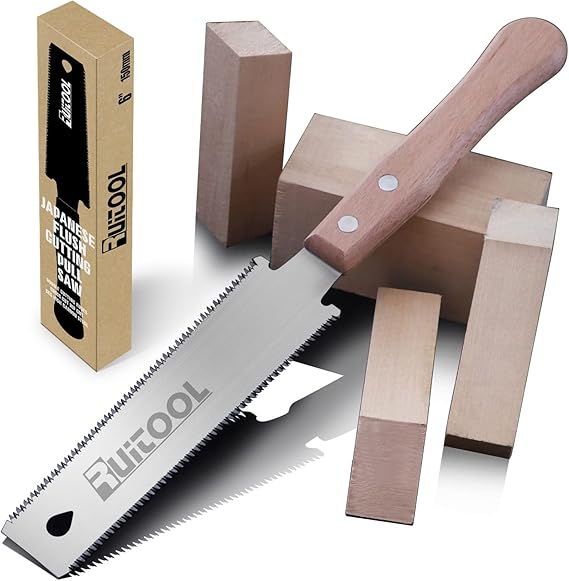
Cuts on the pull stroke for better control and cleaner lines than western push saws—essential for precise woodworking joinery and detail work
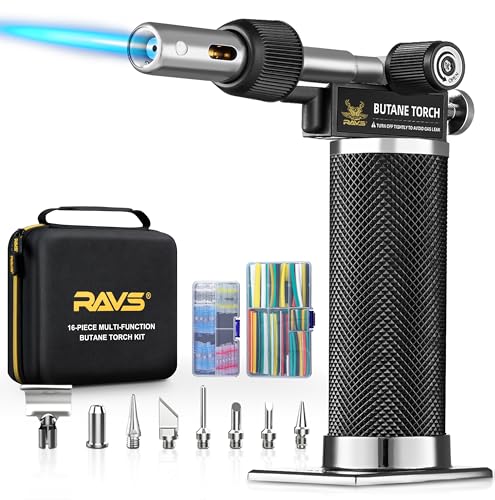
Opens metalwork possibilities beyond cold connections—allows copper and silver jewelry making, wire wrapping with permanent joins, and metal sculpture
As an Amazon Associate I earn from qualifying purchases. Prices may change.
Step-by-Step Guide
Choose your craft and secure space
Match your first challenge to your available workspace and tools. Woodworking demands ventilation and a sturdy surface, ceramics needs kiln access or air-dry clay alternatives, textiles thrive in any well-lit corner. Source materials locally—lumber yards sell scraps, thrift stores provide practice textiles, metal shops often give away practice pieces.
💡 Pro Tips:
- • Call ahead to ceramic studios about kiln rental or open studio hours
- • Reclaimed materials teach material selection while cutting costs
Organize workspace and test techniques
Lay out all tools and materials before touching anything. Cover surfaces, ensure ventilation for finishes, check lighting angles. Run practice cuts on scrap wood, test glazes on ceramic tiles, stitch sample seams on fabric remnants. Your first chisel angle or torch temperature matters more on throwaway material.
💡 Pro Tips:
- • Read complete instructions before starting—surprises mid-project lead to mistakes
Work in focused single-aspect sessions
Dedicate separate time blocks to rough shaping, detail work, and finishing. A wooden spoon gets carved one day, refined another, oiled on the third. Rushed craft work broadcasts its hurry. Measure twice, cut once applies to every discipline, every material.
💡 Pro Tips:
- • Photo each major stage for your own reference, not social media—you'll need these when troubleshooting future projects
Finish with care and precision
The last ten percent determines whether something looks homemade or handmade. Sand to the proper grit progression, seal what needs sealing, wash and press textiles before final assembly, let metalwork cure fully. Don't skip this stage when fatigue sets in.
Use it and note improvements
Put your creation into immediate service. Notice where the spoon handle feels too thick, where the bowl's foot wobbles, where seams pucker under stress. These observations become your curriculum for the next challenge. Move forward once you've completed one full object, even if imperfect—skill builds through varied repetition, not endless refinement of a single piece.
Gear Up for Your Quest
The gear that makes this quest work.
Pull it off

Speedball Block Printing Set
Complete textile printing system for creating repeatable patterns on fabric—design once, print dozens of tote bags, tea towels, or patches
Get on Amazon · $38.99 — Speedball Block Printing Setdetails & deals →+ complete the kit — 4 more

Japanese Pull Saw (Ryoba)
RecommendedCuts on the pull stroke for better control and cleaner lines than western push saws—essential for precise woodworking joinery and detail work
Double-sided pull saw with crosscut and rip teeth
Get on Amazon · $19.99 — Japanese Pull Saw (Ryoba)details & deals →
Jewelry Soldering Kit
RecommendedOpens metalwork possibilities beyond cold connections—allows copper and silver jewelry making, wire wrapping with permanent joins, and metal sculpture
Butane micro torch, solder, flux, and ceramic work surface
Get on Amazon · $47.99 — Jewelry Soldering Kitdetails & deals →
Digital Caliper (0.01mm precision)
RecommendedEliminates guessing in precision work—critical for consistent pottery wall thickness, uniform metal gauge, and repeatable woodworking dimensions
Electronic measuring tool for inside, outside, and depth measurements
Get on Amazon · $30.99 — Digital Caliper (0.01mm precision)details & deals →
Leather Burnishing Tool Set
OptionalTransforms raw leather edges from fuzzy and amateur to smooth and professional—the visible difference between craft fair quality and boutique quality
Wood slickers and edge bevelers in multiple sizes
Get on Amazon · $24.90 — Leather Burnishing Tool Setdetails & deals →RELATED GEAR GUIDE
Phone Photography Kit: 9 Picks for Better Shots
Field-tested picks · Creative Arts
As an Amazon Associate, IRL Sidequests earns from qualifying purchases at no extra cost to you.
Prices and availability are subject to change. The price shown at checkout on Amazon at the time of purchase will apply.
Editor's Picks
Hand-selected quests our team thinks you'll love

Dawn Patrol: Your First Bird Watching Adventure
Wake up with the birds and see your neighborhood through new eyes.

Creative Skills Quest Hub: Learn By Doing
The best way to learn creative skills? Make bad art until it gets good.

Hand-Built Ceramic Bowl Workshop
Your hands built the first bowls 20,000 years ago. They still can.