
Creative Arts Quest Series: Skill-Building Pathways
Stop collecting saved tutorials. Start finishing actual projects.
About This Quest
Structured pathways to build real creative skills through hands-on projects. From pottery basics to digital illustration, learn by doing—not just watching tutorials.
The internet's full of 3-minute art hacks and 10-hour masterclasses, but nothing that just gets you making things at your actual skill level. This quest maps out clear progressions for learning creative skills—each pathway breaks down into three projects that build on each other. You'll know exactly what to make, what tools matter (and which are marketing hype), and how to tell when you're ready for the next level. Each pathway follows the same logic: Project 1 teaches you to handle the medium without overthinking. Project 2 adds one technical challenge. Project 3 lets you combine what you've learned into something you'd actually keep or gift. The pottery track starts with pinch pots, moves to coil building, then wheel throwing. The block printing pathway begins with eraser stamps, progresses to linoleum cuts, then tackles multi-color registration. You're not collecting certificates—you're building a body of work that shows your progression. The real value is in the constraints. Each project has a specific output, a realistic time budget, and materials you can source locally or order in one shipment. No endless rabbit holes of "10 things you need before starting." You'll learn more making three flawed projects than watching a hundred perfect timelapses. Pick a pathway that matches something you've been curious about, clear a table, and knock out Project 1 this week.
Why This Quest Matters
You'll build a body of work that shows actual progression, not a bookmark folder of someday-maybes. Three completed projects teach you more about a medium than a hundred saved tutorials. By the end of a pathway, you'll have pieces you'd keep or gift—and the confidence to know what comes next.
What You'll Experience
- How to handle a new medium without overthinking the perfect setup
- Which tools actually matter versus which are marketing hype
- When you're ready to add technical challenges instead of spinning in place
- How to recognize your own progress through documented comparisons
- The difference between passive research and active skill-building
What You'll Need
Top gear to make this quest great.
Pull it off
Skill-Specific Starter Kit
Removes the decision paralysis of buying individual supplies. Each pathway kit contains exactly what's needed for all three projects without excess. Quality is mid-tier—good enough to learn properly, not so expensive you're afraid to make mistakes.
Get on Amazon · $29.99 — Skill-Specific Starter Kit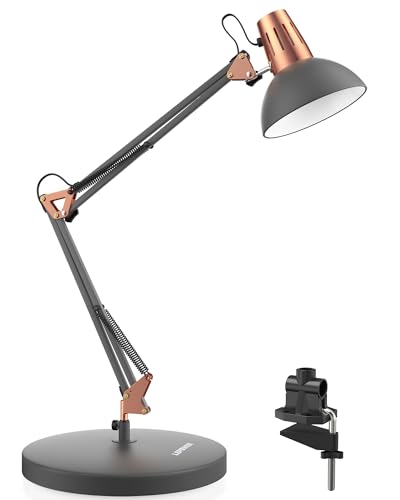
Consistent lighting eliminates the 'it looked good last night but terrible this morning' problem. Adjustable arm lets you angle light to avoid glare on wet surfaces or glossy materials. Most people's overhead lighting is terrible for detail work.
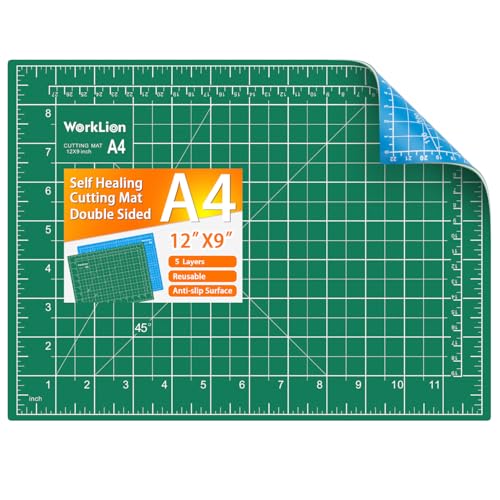
Protects your table and gives you built-in measurement references for layouts. The grid lines matter more than you'd think—eyeballing straight cuts or even spacing is how most beginner projects go crooked. Works for multiple pathways (printmaking, collage, bookbinding, paper crafts).
As an Amazon Associate I earn from qualifying purchases. Prices may change.
Safety Tips
- The WORKLION cutting mat's 5-layer PVC construction with white hardness PVC in the middle prevents cutting through during heavy-duty work—always cut on the mat rather than directly on your table to protect both the surface and extend blade life.
- The Shuttle Art drawing supplies conform to ASTM-D4236 and EN71 safety standards, but graphite and charcoal create fine dust—work in a ventilated area and wash hands after extended sketching sessions to avoid skin irritation.
Step-by-Step Guide
Pick one pathway you can start now
Choose based on tools you already have access to—community studios, borrowed equipment, or materials you can buy this week. If you're considering cutting, paper, or fabric work, a 9" x 12" self-healing mat fits most desks and gives you enough workspace.
💡 Pro Tips:
- • Don't pick based on what looks coolest online—pick what you can actually begin in the next seven days
Buy materials for Project 1 only
Resist the full kit. You'll discover what you actually need by making the first piece. Check local art supply stores first—staff often know cheaper alternatives to brand-name items.
💡 Pro Tips:
- • The Shuttle Art 116-piece kit's individual slots help you track which drawing tools you use versus which collect dust
Make Project 1 in one focused session
Block out 2-3 hours using a timer (the Antonki timer maxes out at 99:59 if you need long stretches). Turn off tutorial videos once you start—reference written instructions or images, but don't follow along in real-time. Your version will look different, and that's the learning.
💡 Pro Tips:
- • Switch the timer to silent mode (red light flash only) if audio alarms snap you out of focus
- • If working in dim light, the LEPOWER desk lamp's adjustable neck eliminates shadows on your work surface
Photograph and review your first result
Take a quick photo—not for posting, but to compare against Projects 2 and 3 later. Write down one thing that frustrated you and one thing that surprised you. These notes guide your next session.
Finish all three projects before switching
Complete the full pathway before jumping to another skill. The progression is the point. You'll want to skip ahead or bail when Project 2 feels harder—that difficulty is exactly where learning happens.
Take two weeks between pathways
After finishing all three projects, pause before starting the next skill. Use that buffer to make another Project 3 variant or mess around freely. Skills solidify in the space between structured practice.
Gear Up for Your Quest
The gear that makes this quest work.
Pull it off

Skill-Specific Starter Kit
Removes the decision paralysis of buying individual supplies. Each pathway kit contains exactly what's needed for all three projects without excess. Quality is mid-tier—good enough to learn properly, not so expensive you're afraid to make mistakes.
Get on Amazon · $29.99 — Skill-Specific Starter Kitdetails & deals →+ complete the kit — 3 more

Adjustable Desk Lamp with Color Temperature Control
RecommendedConsistent lighting eliminates the 'it looked good last night but terrible this morning' problem. Adjustable arm lets you angle light to avoid glare on wet surfaces or glossy materials. Most people's overhead lighting is terrible for detail work.
Swing-arm LED lamp with daylight (5000K+) setting and dimmer
Get on Amazon · $37.99 — Adjustable Desk Lamp with Color Temperature Controldetails & deals →
Self-Healing Cutting Mat (18x24 inch)
RecommendedProtects your table and gives you built-in measurement references for layouts. The grid lines matter more than you'd think—eyeballing straight cuts or even spacing is how most beginner projects go crooked. Works for multiple pathways (printmaking, collage, bookbinding, paper crafts).
Double-sided cutting surface with grid lines and angle guides
Get on Amazon · $6.39 — Self-Healing Cutting Mat (18x24 inch)details & deals →
Digital Timer with Multiple Alerts
OptionalHelps you enforce time limits on each project phase, especially crucial for mediums with drying times (clay, paint, glue). A separate device keeps you off your phone during focused work. Set it for your 2-hour Project 1 block and actually stop when it goes off—the constraint forces completion, not perfection.
Countdown timer with distinct alarm options (not your phone)
Get on Amazon · $5.92 — Digital Timer with Multiple Alertsdetails & deals →RELATED GEAR GUIDE
Phone Photography Kit: 9 Picks for Better Shots
Field-tested picks · Creative Arts
As an Amazon Associate, IRL Sidequests earns from qualifying purchases at no extra cost to you.
Prices and availability are subject to change. The price shown at checkout on Amazon at the time of purchase will apply.
Editor's Picks
Hand-selected quests our team thinks you'll love

Dawn Patrol: Your First Bird Watching Adventure
Wake up with the birds and see your neighborhood through new eyes.

Creative Skills Quest Hub: Learn By Doing
The best way to learn creative skills? Make bad art until it gets good.

Hand-Built Ceramic Bowl Workshop
Your hands built the first bowls 20,000 years ago. They still can.