IRL Sidequests
Geocaching: The Real-World Treasure Hunt - Nature & Outdoors quest for Beginner level adventurers

Geocaching: The Real-World Treasure Hunt

Millions of hidden containers are waiting in your city right now—you just need coordinates to find them.

About This Quest

Find hidden containers using GPS coordinates in urban parks, forests, and wild terrain. Join millions worldwide in this outdoor treasure hunting game.

Geocaching turns any neighborhood into a treasure map. Someone hides a waterproof container, logs the GPS coordinates online, and you track it down using your phone or dedicated GPS device. The cache might be tucked behind a loose brick in an alley, magnetically stuck under a park bench, or camouflaged as a fake rock on a hiking trail. Inside: a logbook to sign and sometimes small trinkets to trade. The rush hits when you're within 20 feet but can't see it—that's when you start looking at every tree hollow and rock pile differently. The community spans 191 countries with over 3 million active caches. You'll find micro containers the size of your fingernail in urban areas and ammo cans in remote wilderness. Some caches require night vision, others need you to solve puzzles first. The difficulty ratings (D) and terrain ratings (T) tell you what you're getting into: a D1/T1 sits in a parking lot, while a D5/T5 might require scuba gear or rock climbing. Most beginners start with traditional caches marked D1-2/T1-2, where coordinates lead directly to the container. The hunt changes how you see spaces. That unremarkable lamppost? Check its base. The memorial statue everyone walks past? Look behind the plaque. You'll discover park corners locals forget exist, historic markers you never noticed, and scenic overlooks hidden 200 feet off main trails. Cache owners (hiders) often choose spots with intention—places that mean something or offer views worth the walk. After finding 20 caches, most people start hiding their own, creating loops where you both hunt and contribute to other hunters' experiences.

Duration
2-4 hours
Estimated Cost
Free
Location
Outdoor
Season
Year-round
Family Friendly
All ages welcome

Step-by-Step Guide

1

Create a free account on geocaching.com or download the official Geocaching app (iOS/Android). The free version limits you to finding basic caches, but that's thousands of options. Premium ($6/month) unlocks all cache types and advanced filters.

2

Browse the map view centered on your location. Green icons are traditional caches (coordinates lead straight to the container). Orange icons are multi-caches (solve clues at waypoints). Blue icons are mystery caches (solve puzzles first). Start with traditional caches rated D1.5/T1.5 or lower.

3

Select a cache and read the full description before leaving. Note the container size (micro, small, regular, large), the terrain type, and any hints. The 'Recent Activity' log shows if someone found it yesterday or if three people couldn't locate it last week—that tells you current condition.

4

Navigate to the coordinates using your phone's GPS or a handheld device. Accuracy varies (usually 15-30 feet), so when the app says you've arrived, you're entering the search zone. Look for anything man-made or out of place: film canisters under rocks, magnetic keyholders under metal surfaces, fake bolts on guardrails.

5

Search systematically in a spiral pattern from the coordinates. Check at ground level, waist height, and overhead. Urban hides favor magnetic surfaces, fake electrical boxes, and landscape rock piles. Park hides use tree hollows, fallen logs, and rock walls. If stuck after 10 minutes, tap 'Hint' in the app—hiders usually include cryptic clues.

6

Open the container carefully (it might be damp inside). Sign the physical logbook with your geocaching username and date. If there are trinkets, take one only if you leave one of equal or greater value. Trackable items (with codes) should be logged online and moved to another cache.

7

Log your find online within 24 hours while details are fresh. Describe your experience, mention if the container needs maintenance, and thank the owner. Your find count increases and the cache gets activity points. If you couldn't find it after 20+ minutes of searching, log a 'Did Not Find' (DNF)—this helps owners know if the cache is missing.

8

After finding 5-10 caches, attempt different terrain or difficulty ratings. Try a night cache that requires UV light, a tree climb, or a puzzle cache that needs decoding. Join local geocaching groups on social media to learn about new hides and organized hunts.

9

Consider hiding your own cache after finding 20+. You'll need to maintain it, replace the logbook when full, and respond to maintenance requests. Choose locations you love and want to share—spots with stories, views, or hidden history.

Gear Up for Your Quest

Get everything you need to make this quest amazing.

Handheld GPS Device (Garmin eTrex 32x or similar)

Recommended
$200-300

Dedicated GPS unit with higher accuracy than smartphones, especially in dense forest or urban canyon areas with weak cell signals

Get This Item

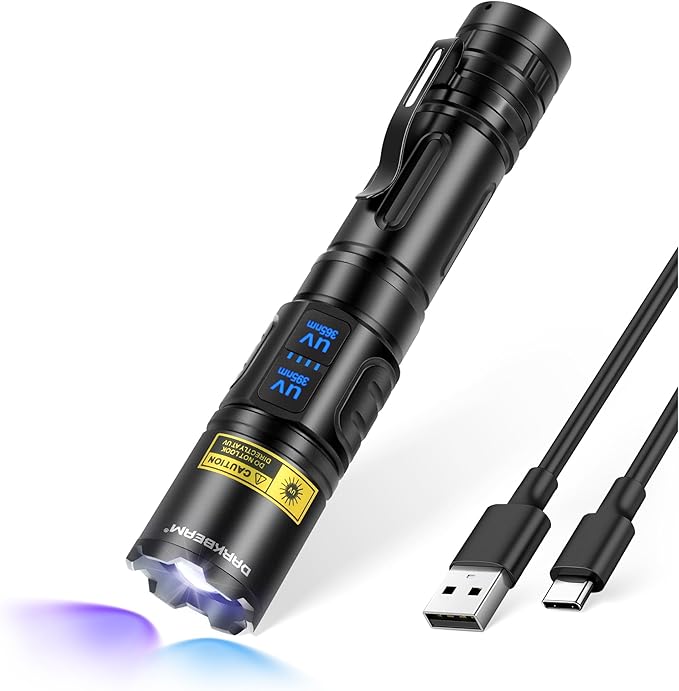
UV Flashlight (395nm wavelength)

Recommended
$12-25

Small ultraviolet flashlight that reveals invisible UV-reactive markings on night caches and certain puzzle caches

Get This Item

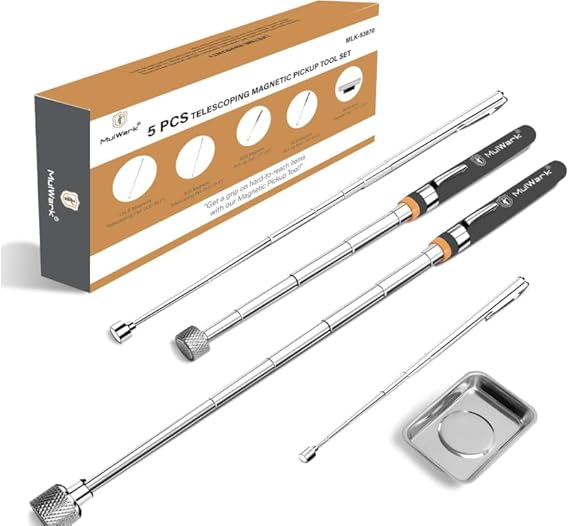
Magnetic Retrieval Tool (telescoping)

Optional
$8-15

Extendable wand with strong neodymium magnet that reaches into crevices, under guardrails, and drainage areas

Get This Item

Micro Cache Log Sheets (waterproof, 100-pack)

Optional
$6-10

Replacement log strips for micro and nano caches that often have deteriorated paper logs from weather exposure

Get This Item

💙 Shopping through these links helps support IRL Sidequests at no extra cost to you. Thanks for making adventures possible!