Turn a crate of cucumbers into pantry gold that tastes better in six months than it does today.
Master traditional and modern food preservation methods while creating unique culinary ingredients through fermentation, curing, pickling, and dehydration techniques.
Food preservation isn't about doomsday prepping or your grandmother's dusty canning recipes. It's about capturing peak-season flavor and holding it hostage until you're ready to deploy it. That farmers market haul of July tomatoes? You're going to taste summer in February. Those cucumbers turning soft in your crisper? They'll become something actually worth eating. This quest walks you through multiple preservation pathways: the patience game of lacto-fermentation where microbes do the heavy lifting, the precision of water-bath canning that seals flavor in glass, the alchemy of salt-curing that transforms texture entirely, and the concentrate-everything power of dehydration. You'll learn when to use each method and why it matters. The crunch of a properly fermented pickle hits different than a quick refrigerator pickle, and you'll taste exactly why within your first batch. The real payoff comes weeks or months later when you crack open a jar of preserved lemons you forgot about, or when you rehydrate mushrooms you dried last autumn and they flood your kitchen with forest-floor aroma. You're not just preserving food; you're building a pantry that actually reflects how you want to cook, stocked with ingredients you can't buy at any store because you made them exactly how you like them.
Choose your preservation method based on ingredient and desired outcome: fermentation for probiotics and complex tang, canning for shelf-stable fruits and tomatoes, curing for meats and fish, dehydrating for concentrated flavors and lightweight storage.
Prep your workspace with obsessive cleanliness—contamination ruins weeks of waiting. Sterilize jars by running them through a dishwasher cycle or boiling for 10 minutes. Keep a dedicated cutting board for preservation work to avoid cross-contamination from previous meals.
For fermentation: Create a 2-3% salt brine by weighing water and adding 20-30g salt per liter. Submerge vegetables completely under brine using fermentation weights. Leave at room temperature (68-75°F) for 5-14 days, tasting daily after day 5 until the tang hits your preference.
For water-bath canning: Pack prepared ingredients into hot jars leaving proper headspace (usually 1/4 inch). Wipe rims spotless with vinegar-dampened cloth, apply lids, and process in boiling water for recipe-specified time. Listen for the ping of sealing lids as they cool—that's success.
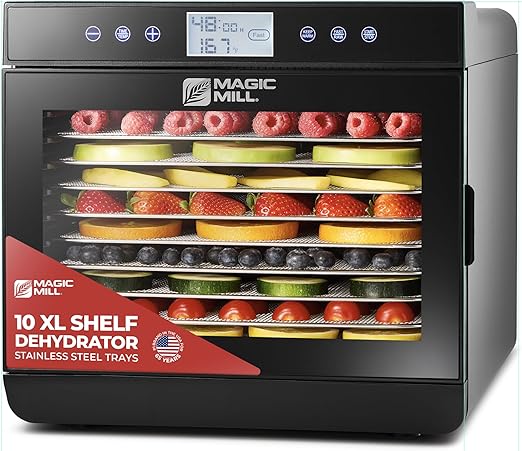
For dehydrating: Slice ingredients uniformly (3-5mm thickness) for even drying. Arrange in single layers with air circulation space. Set dehydrator to ingredient-appropriate temperature (125°F for herbs, 135°F for vegetables, 145°F for meat). Dry until brittle or leathery depending on ingredient—proper dryness prevents mold.
For curing: Apply salt-based cure directly to protein, calculating by weight (typically 2-3% salt by protein weight). Refrigerate in sealed container, flipping daily. Most cures complete in 3-7 days when flesh feels firm throughout.
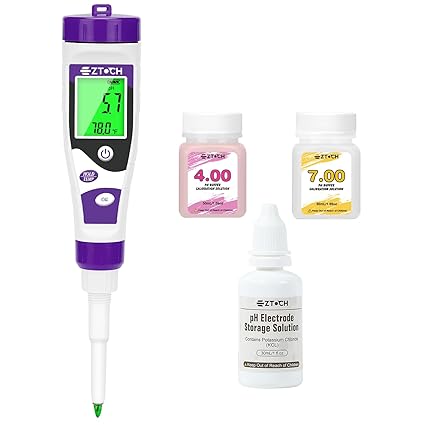
Label everything with contents and date using permanent marker directly on jar or waterproof labels. Your memory is not as good as you think. Track fermentation progress in a dedicated notebook with pH readings if you're being serious about it.
Store finished products appropriately: ferments in refrigerator after desired fermentation, canned goods in cool dark place, dehydrated items in airtight containers with desiccant packets, cured items wrapped and refrigerated or hung in temperature-controlled space.
Test preservation success before bulk production. Make single jar batches first, evaluate results, adjust technique. Scale up only after you've nailed the process and actually like eating what you made.
Use preserved ingredients thoughtfully in cooking: fermented vegetables as condiments or side dishes, canned tomatoes in winter braises, dehydrated mushrooms rehydrated in stock for depth, cured meats sliced thin for charcuterie or cooking fat.
Get everything you need to make this quest amazing.
Dedicated glass weights designed to keep vegetables submerged under brine during fermentation
Get This ItemHandheld pH testing device calibrated for food applications
Get This ItemElectric dehydrator with adjustable temperature settings and stackable trays
Get This ItemCounter-top vacuum sealer with roll storage and bag cutter
Get This Item💙 Shopping through these links helps support IRL Sidequests at no extra cost to you. Thanks for making adventures possible!
Hand-selected quests our team thinks you'll love

Cozy, gooey, unforgettable nights.

Turn your kitchen into a mad scientist’s bar.

Sharpshooter bragging rights start here.