Within the first two hours after sunrise, find and name ten different bird species at one patch of edge habitat. Say each one out loud to your birding partner as you get it, and let the app settle any argument.
Bonus challenge: Hold your phone's camera lens right against the binocular eyepiece and get one recognizable photo of a bird you couldn't name on sight.
Accept this questSaves it to your list, no account needed.
Time
2 hours (plus 30 min kit setup)
Cost
Free with your own gear
Starter gear from $100
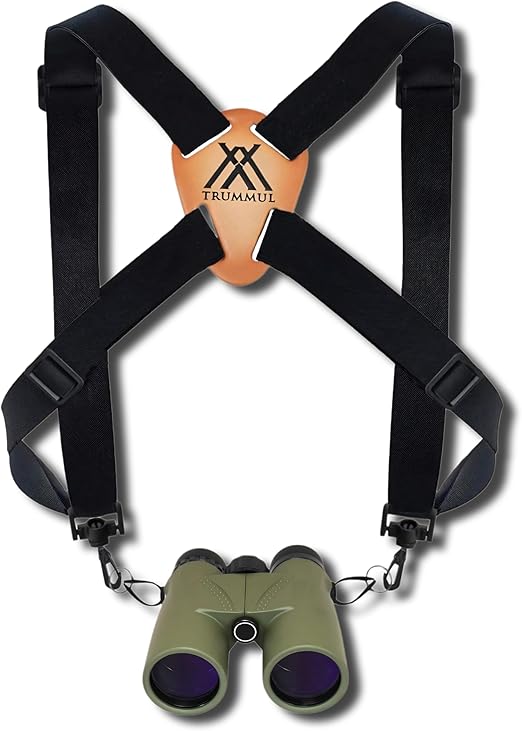
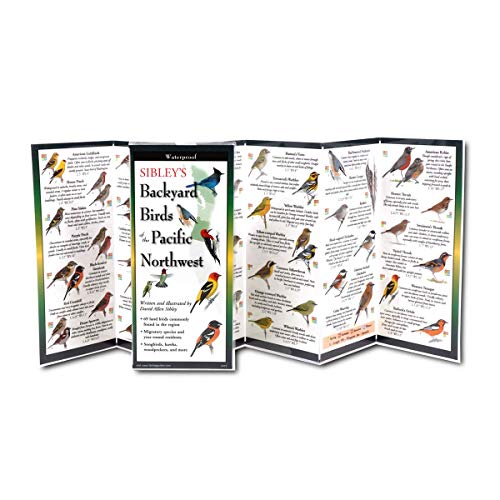
Binoculars are the one real cost, roughly $35–100 for an entry pair. A chest harness runs about $12–18 and a laminated regional guide about $15–17. The Merlin app and an eBird account are free, and every outing after that costs nothing.
solo, friends, date night, family · Teens and adults; kids 8+ with an adult, and only at patches with a clear dry path
Level
Beginner
Where
Outdoor
Season
Year-round
Spring and fall migration (April-May, September-October) give you the most species per hour. Winter is easier for beginners — bare branches, nowhere for birds to hide.
About This Quest
Grab a friend, set an early alarm, and go meet the birds in your area. With a pair of binoculars and a free app that names singing birds out loud, you'll spend two hours finding ten different species, pigeons and house sparrows included.
Dawn is when birds are loudest, boldest and easiest to find. In the first two hours after sunrise, a scrubby patch beside a creek or an old cemetery turns into the busiest place in the neighborhood, and almost nobody else is out there watching.
You'll set up your binoculars, load the free Merlin app so it can name songs for you, and walk slowly through one good patch while it calls out who's singing. Beginners get help the whole way, so you do not need to know a single bird yet. Ten species is the target, and the common ones count.
Budget birding gear picks will keep the whole kit under fifty bucks.
Why This Quest Matters
The birds were always there. Starlings on the wire, a heron standing still in the shallows, something small and yellow flicking through the brush. What changes is that you start hearing them as individuals with names instead of background noise. Bring someone along and you'll both keep stopping each other mid-sentence to point.
What You'll Experience
Hear the invisible chorus: Let the app name birds singing deep in cover you'd never spot with your eyes.
Dial in your binoculars: Set them to your own eyes once and every bird snaps into focus after that.
Find the busy corner: Learn to read where water, thick brush and open sky meet, because that's where birds gather.
Hit ten species: Reach your count before breakfast, with pigeons and geese pulling their weight.
What You'll Need
Top gear to make this quest great.
Pull it off
8x42 Roof Prism Binoculars (Entry Level)
The one thing you can't improvise: 8x magnification stays steady on small, fidgety birds in dawn light.
As an Amazon Associate I earn from qualifying purchases. Prices may change.
Before You Begin
Good news: the hard part is just getting up early. You need 8x42 or 8x32 binoculars (the 8x keeps small moving birds steady in your hands, unlike 10x or cheap zoom pairs), the free Merlin Bird ID app from the Cornell Lab with its regional Bird Pack downloaded over wifi beforehand, a free eBird account linked to the app, and a charged phone. Handy extras: a chest harness so two hours of binoculars don't wreck your neck, a laminated regional fold-out guide for context, and a microfiber cloth for dew on the lenses. Check posted signs and access rules at your patch first; some sites are off-limits or closed at dawn. Dress one layer warmer than feels right, because you'll be standing still.
Safety Tips
A good quest stays a good story. These are general notes; your gear's manual, the venue's rules and local law come first.
Tell someone where you're going and when you'll be back, and take a charged phone. Merlin works offline, but your map may not.
Stay well back from undercut banks and slick mud at creeks, ponds and canals. Steep wet banks are the main fall risk here.
Never wade in for a better view. Cold water and unseen currents are dangerous, and no bird is worth it.
At tidal or river edges, check the tide or flow before you go and know your exit route, because water can rise behind you.
Obey posted signs, fences and access rules. Some creekside and railway-edge land needs explicit permission, and cemeteries often have set opening hours.
Bring kids only to patches with a clear dry path, keep them within arm's reach near any water, and go slow on dew-slick boardwalks.
Step-by-Step Guide
1
Load Up The App
10 min
Start on the couch the night before. Install the free Merlin Bird ID app, then download your regional Bird Pack while you're on wifi, since it's about 200MB and you won't get it on patchy signal at dawn. Make a free eBird account and link it, so your sightings go straight into Cornell's bird database as real research.
💡 Pro Tips:
• Open the Sound ID feature once at home and point it out a window. Seeing it name a bird builds instant trust in it.
2
Fit The Binoculars To You
10 min
Binoculars out of the box are set for someone else's eyes. Bend the two barrels in or out until you see one clean circle, not two. Then close your right eye and focus on something about thirty feet away with the center wheel. Now close your left eye and sharpen it using only the small ring on the right eyepiece.
💡 Pro Tips:
• Note the number on that right-eyepiece ring. It's yours forever, so you only ever touch the center wheel again.
3
Scout Your Patch
20 min
Birds love edges. Walk your nearest creek, pond, canal, scrubby strip between a parking lot and a railway, or an old cemetery, and leave the binoculars in the bag. You're looking for one spot where water, thick cover and open sky all meet. Check signs and gates while you're there so you know what's open at sunrise.
💡 Pro Tips:
• Pick two or three places to stand and listen on the real morning. Having a route saves you wandering at dawn.
4
Walk The Dawn Shift
70 min
This is the main event, and the first two hours after sunrise is the window that matters. Start your Merlin checklist as you begin walking, then move slowly between your listening spots. Stand still for thirty seconds at each one and let Sound ID run. It'll name birds hidden deep in the brush while you scan with your bare eyes for movement.
💡 Pro Tips:
• When you spot something, keep your eyes locked on it and bring the binoculars up to your face. Look down to find them and the bird is gone.
5
Call Your Ten
30 min
Time to close out the Dawn Ten. Count up with your partner, saying each species out loud, and absolutely log the ordinary ones: house sparrows, pigeons, starlings, Canada geese all count. If one bird has you stumped, hold your phone's camera lens flush against the eyepiece and grab a photo to settle it. Submit the checklist before you head home.
💡 Pro Tips:
• Compare a tricky call against your regional fold-out guide. If a bird isn't plausible in your area, the app guessed wrong.
6
Dry Off And Book A Rematch
10 min
Wipe the dew off your lenses with the microfiber cloth, never your shirt, because cheap coatings scratch easily. Then agree on next week: same patch, same hour. Second visits are when it clicks, because you start recognizing the same heron in the same shallows and the same noisy jay in the same tree.
💡 Pro Tips:
• Your eBird checklists stack up over weeks, so you can see your patch's season change without keeping any notes yourself.
Ten species before breakfast, named out loud, in a patch you've walked past a hundred times. Pick your date for next week's visit and see who you meet again.
Your neighborhood harbors more species than you think—and scientists need your eyes on the ground.
Document and map wildlife in your city while contributing to real scientific databases. Learn identification techniques and join the citizen science movement.