
Fermentation Workshop at Home
Your kitchen counter is about to become a biological experiment you'll actually want to eat.
About This Quest
Transform your kitchen into a living fermentation lab. Master kimchi, kombucha, and sauerkraut using wild bacteria and patience.
Fermentation is controlled rot that tastes incredible. You're harnessing wild bacteria and yeasts that exist on every vegetable surface, turning cabbage into tangy sauerkraut, cucumbers into pickles, and sweet tea into fizzy kombucha. The smell hits you first—sharp, acidic, alive. Then you taste the complexity: sour depth that vinegar can't match, bubbles that develop naturally, flavors that shift daily. This isn't about following sterile lab protocols. Fermentation worked for thousands of years before refrigeration because it's resilient. You'll start three projects simultaneously: quick-fermenting kimchi (ready in 3-5 days), slower sauerkraut (7-10 days), and kombucha that takes 7-14 days. Each teaches different lessons about salt ratios, temperature control, and recognizing when fermentation is active versus when something's gone wrong. The real education happens when you open a jar on day three and hear the hiss of CO2 escaping, see bubbles rising through brine, taste how yesterday's raw bite has mellowed into something layered. You'll learn to trust your senses over timers, to read fermentation by smell and texture, to troubleshoot when things get too slimy or not sour enough. By day seven, you'll have three living foods you made from scratch, plus the confidence to experiment with anything that grows.
Why This Quest Matters
By day seven you'll have three jars of living food you created from scratch, each one bubbling and sour in its own way. You'll understand fermentation by feel and smell, not recipes, which means you can transform any vegetable into something complex and alive. The confidence to open your fridge and see probiotics you cultured yourself is oddly powerful.
What You'll Experience
- How to read active fermentation by bubble, smell, and taste instead of timers
- Salt ratios and temperature control for different fermentation speeds
- When to trust white film (harmless yeast) versus actual mold (start over)
- How to culture your own probiotics and preserve vegetables without vinegar
- The patience to let wild bacteria do their work at their own pace
What You'll Need
Top gear to make this quest great.
Pull it off
SCOBY with Starter Liquid
Absolutely essential for kombucha. You cannot make it without this living culture. Buy online from fermentation suppliers or get one free from someone already brewing—they multiply with each batch.
Get on Amazon · $13.89 — SCOBY with Starter Liquid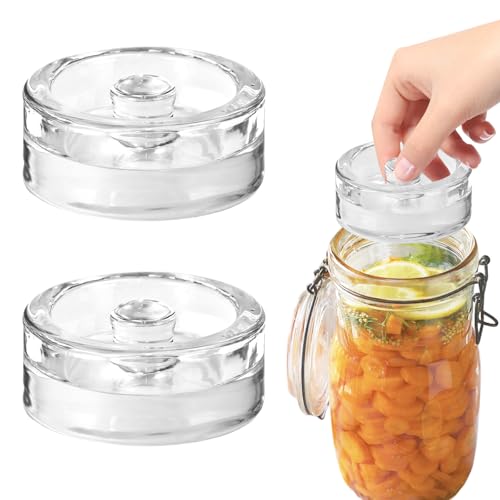
Prevents vegetables from floating above brine where mold can grow. You can use a smaller jar filled with water instead, but these fit perfectly and you can see through them to monitor fermentation without opening the lid.
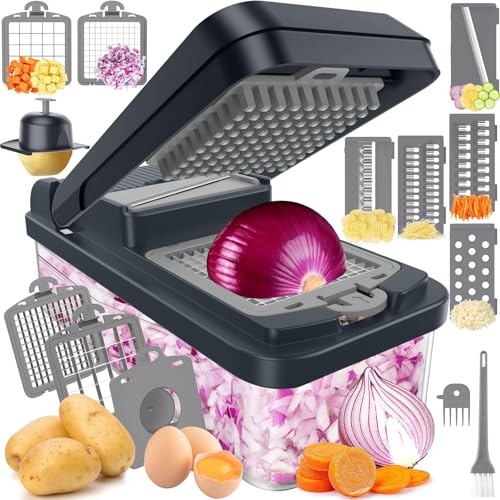
Creates consistent thin shreds for faster, more even fermentation. Hand-cutting works but takes 3x longer and produces uneven pieces that ferment at different rates. The uniformity makes a noticeable difference in texture.
As an Amazon Associate I earn from qualifying purchases. Prices may change.
Step-by-Step Guide
Launch three ferments on day one
Shred 2 pounds cabbage, massage with 1 tablespoon sea salt until limp and wet, pack into jar with brine covering completely. For kimchi: salt napa cabbage chunks 2 hours, rinse, coat in garlic-ginger-gochugaru paste, jar it. For kombucha: dissolve ½ cup sugar in hot tea, cool to room temp, add 2 cups store kombucha and a SCOBY to half-gallon jar. Cover all three with cloth and rubber bands, not sealed lids.
💡 Pro Tips:
- • Mandoline makes quick work of cabbage but a knife works fine—thin is what matters
- • Buy your first SCOBY online or from a fermenting friend; it looks like a rubbery pancake
Taste daily starting day two
Press the kraut and kimchi to check for bubbles rising through brine and smell the sharpening tang. Taste a small forkful each day—when the sourness satisfies you (usually day 3-5 for kimchi, 5-7 for kraut), transfer to the fridge with tight lids. Kombucha needs no attention yet; ignore it for a week.
💡 Pro Tips:
- • Your tongue decides doneness, not a timer—fermentation speed varies by room temperature
Evaluate kombucha on day seven
Slide a straw under the SCOBY and taste. If it's pleasantly tart—not sweet tea, not vinegar—it's done. Bottle the liquid, saving the SCOBY and 2 cups for your next batch. If still sweet, let it ferment another 3-7 days and taste again.
Troubleshoot what you see and smell
White film on top is kahm yeast—harmless, just scrape it off. Fuzzy blue or black mold means toss everything and start over. No bubbles after three days means too cold or undersalted; move jars somewhere warmer and wait longer. Kombucha SCOBY sinking or growing a new layer is normal, not a problem.
Gear Up for Your Quest
The gear that makes this quest work.
Pull it off

SCOBY with Starter Liquid
Absolutely essential for kombucha. You cannot make it without this living culture. Buy online from fermentation suppliers or get one free from someone already brewing—they multiply with each batch.
Get on Amazon · $13.89 — SCOBY with Starter Liquiddetails & deals →+ complete the kit — 3 more

Glass Fermentation Weights
RecommendedPrevents vegetables from floating above brine where mold can grow. You can use a smaller jar filled with water instead, but these fit perfectly and you can see through them to monitor fermentation without opening the lid.
Disc-shaped glass weights that fit inside wide-mouth jars to keep vegetables submerged under brine
Get on Amazon · $8.99 — Glass Fermentation Weightsdetails & deals →
Mandoline Slicer
RecommendedCreates consistent thin shreds for faster, more even fermentation. Hand-cutting works but takes 3x longer and produces uneven pieces that ferment at different rates. The uniformity makes a noticeable difference in texture.
Adjustable blade slicer that produces uniform thin vegetable cuts
Get on Amazon · $13.99 — Mandoline Slicerdetails & deals →
pH Test Strips (3.0-5.5 range)
OptionalTakes the guesswork out of safety—ferments below pH 4.6 are safe from botulism. Also helps you nail your preferred sourness level consistently. You can ferment by taste alone, but these strips teach you what 'ready' actually measures as.
Paper strips that change color to show acidity level of fermented foods
Get on Amazon · $3.99 — pH Test Strips (3.0-5.5 range)details & deals →RELATED GEAR GUIDE
Phone Photography Kit: 9 Picks for Better Shots
Field-tested picks · Creative Arts
As an Amazon Associate, IRL Sidequests earns from qualifying purchases at no extra cost to you.
Prices and availability are subject to change. The price shown at checkout on Amazon at the time of purchase will apply.
Editor's Picks
Hand-selected quests our team thinks you'll love

Dawn Patrol: Your First Bird Watching Adventure
Wake up with the birds and see your neighborhood through new eyes.

Creative Skills Quest Hub: Learn By Doing
The best way to learn creative skills? Make bad art until it gets good.

Hand-Built Ceramic Bowl Workshop
Your hands built the first bowls 20,000 years ago. They still can.