Turn your farmer's market run into a real conversation. Talk to five vendors, learn where their food comes from, and walk away with stories that change how you eat.
Most people cruise farmer's markets like speed shoppers—grab the tomatoes, dodge eye contact, pay, leave. This quest flips that script. Your mission: have actual conversations with five different vendors. Not just "how much?" but real questions about their farm, their growing methods, what they're excited about this season.
The first vendor is always the hardest. You'll feel awkward asking a mushroom farmer about their cultivation setup while people queue behind you. Do it anyway. By vendor three, you'll notice something shift—they light up when someone actually cares. The soap maker will tell you about the goat that headbutts her every morning. The jam producer will explain why their strawberries taste different (hint: it's the soil, always the soil). You're not just buying food anymore; you're plugging into a network of people who wake up at 4AM because they give a damn about what they grow.
This challenge works because it's simple but uncomfortable. You're training yourself to see past transactions and into systems—who grows your food, how they do it, why it matters. Walk out with a bag of vegetables and five business cards from people you'll remember by name. That heirloom tomato tastes different when you know the farmer saved the seeds from their grandmother's garden.
Why This Quest Matters
You'll walk out with vegetables and five business cards from people you'll remember by name. That heirloom tomato tastes different when you know the farmer saved the seeds from their grandmother's garden. You're not just buying food anymore—you're seeing the humans and systems behind every bite.
What You'll Experience
How to start conversations with strangers in transactional spaces
The actual work behind what you eat—from 4AM harvest schedules to soil chemistry
Why specific vendors care enough to do things the hard way
How to spot passionate craftsmanship versus generic produce
Stories that make food taste different
What You'll Need
Top gear to make this quest great.
Pull it off
Cash in Small Bills ($1s and $5s)
Many small vendors are cash-only or heavily prefer it (saves them card processing fees). Having exact change speeds up transactions and builds goodwill—vendors remember customers who make their lives easier. Budget $5-10 per vendor for small purchases that show appreciation without breaking your budget.
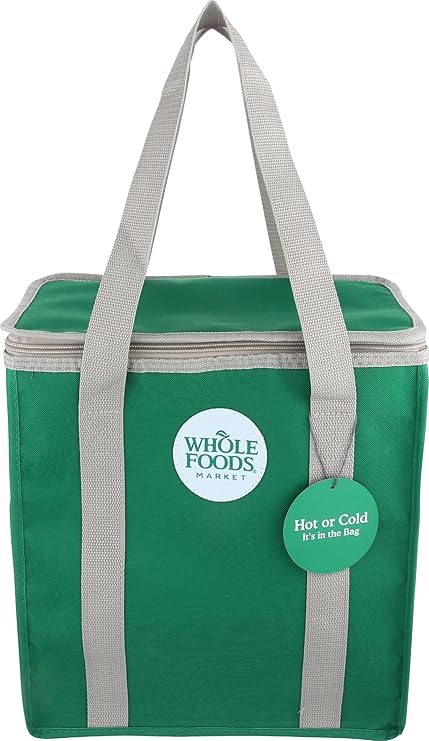
Keeps delicate produce separated, prevents crushing, and maintains temperature for dairy/meat purchases while you continue conversations. The compartments let you organize by vendor, making it easier to remember who you bought what from. Professional-looking gear also signals to vendors that you're a serious customer worth engaging with.
Lets you capture exact stories and details without awkwardly scribbling notes mid-conversation. Ask permission first: 'Mind if I record this? I'm documenting local food stories.' Most vendors appreciate someone caring enough to preserve their knowledge. Review recordings later to pull out recipe ideas or farming techniques you'd otherwise forget.
As an Amazon Associate I earn from qualifying purchases. Prices may change.
Step-by-Step Guide
1
Scout the market at off-peak times
Arrive in the first hour after opening or the final 30 minutes before close—vendors can actually talk when they're not slammed. Walk the full perimeter once without buying anything, just observing the layout and who's selling what.
💡 Pro Tips:
• Early morning vendors are caffeinated and chatty; late afternoon ones are relaxed and reflective
• Notice which stands have lines and which have breathing room
2
Start with a vendor you're genuinely curious about
Pick someone who's not buried in customers and selling something that actually interests you. Open with something easy like 'How long have you been farming?' or 'What made you get into this?' Then let them talk—your job is 80% listening, 20% follow-up questions.
💡 Pro Tips:
• Avoid stands with long lines for your first conversation—you'll feel rushed
3
Ask one specific, detail-oriented question
After they've shared the basics, dig into something they mentioned: 'You said crop rotation—how does that actually work on your farm?' or 'What's the hardest part about making cheese at this scale?' Vendors get generic compliments all day; specific curiosity makes you memorable.
4
Buy small and document each conversation
Respect their time by purchasing something—even just herbs or a single jar. Snap a photo of their sign or grab a business card. Immediately after walking away, write down one memorable detail from the conversation on your phone.
💡 Pro Tips:
• The detail you record could be anything: a funny goat story, a soil secret, their grandmother's seed-saving habit
5
Make your fifth vendor an uncomfortable choice
Pick the stand you'd normally skip—fermented vegetables, raw honeycomb, mushrooms you can't pronounce. Ask them to recommend something for a beginner. People love being guides, and this is where you'll learn the most surprising thing.
6
Review and integrate what you learned
Find a bench at the market or sit in your car and read through your notes. Text one friend about the most interesting thing you learned. The point isn't just collecting information—it's changing how you think about where your food comes from.
Many small vendors are cash-only or heavily prefer it (saves them card processing fees). Having exact change speeds up transactions and builds goodwill—vendors remember customers who make their lives easier. Budget $5-10 per vendor for small purchases that show appreciation without breaking your budget.
Keeps delicate produce separated, prevents crushing, and maintains temperature for dairy/meat purchases while you continue conversations. The compartments let you organize by vendor, making it easier to remember who you bought what from. Professional-looking gear also signals to vendors that you're a serious customer worth engaging with.
A structured tote bag with insulated sections, interior pockets, and wipeable lining designed specifically for farmer's market hauls.
Lets you capture exact stories and details without awkwardly scribbling notes mid-conversation. Ask permission first: 'Mind if I record this? I'm documenting local food stories.' Most vendors appreciate someone caring enough to preserve their knowledge. Review recordings later to pull out recipe ideas or farming techniques you'd otherwise forget.
A pocket-sized voice recorder or smartphone app (like Otter.ai or Voice Memos) for capturing vendor stories with permission.
Getting better at talking is weirdly fun with friends
Round up six friends, drag some chairs into a circle in your yard, and spend 90 minutes getting genuinely better at talking to people. One skill, eight-minute pair rounds, a soft chime to switch partners, and a lot more laughing than you'd expect.